Aviation safety is the foundation of the global air transport industry. With millions of passengers traveling by air every day, strict safety standards and internationally recognized awards play a vital role in maintaining trust, reliability, and operational excellence. Aviation safety standards establish rules and procedures to prevent accidents, while safety awards recognize organizations that demonstrate outstanding commitment to safety. Together, they promote continuous improvement and accountability across the aviation sector.

Importance of Aviation Safety Standards
Aviation safety standards are designed to minimize risks and ensure the protection of passengers, crew, aircraft, and ground personnel. These standards cover every aspect of aviation operations, including aircraft design, maintenance, flight operations, air traffic control, and airport management. By enforcing consistent safety practices worldwide, aviation authorities help create a uniform and dependable global aviation system.
Safety standards are not static; they evolve based on technological advancements, accident investigations, and operational data. Continuous updates ensure that the industry adapts to emerging risks and maintains high safety performance.
International Aviation Safety Organizations
Several international organizations are responsible for developing and enforcing aviation safety standards. The International Civil Aviation Organization (ICAO) sets global standards and recommended practices for civil aviation. These guidelines serve as the foundation for national aviation regulations worldwide.
Other key organizations include national aviation authorities such as the Federal Aviation Administration (FAA) and the European Union Aviation Safety Agency (EASA). These bodies regulate aircraft certification, pilot licensing, maintenance requirements, and operational procedures to ensure compliance with international safety benchmarks.
Key Areas Covered by Safety Standards
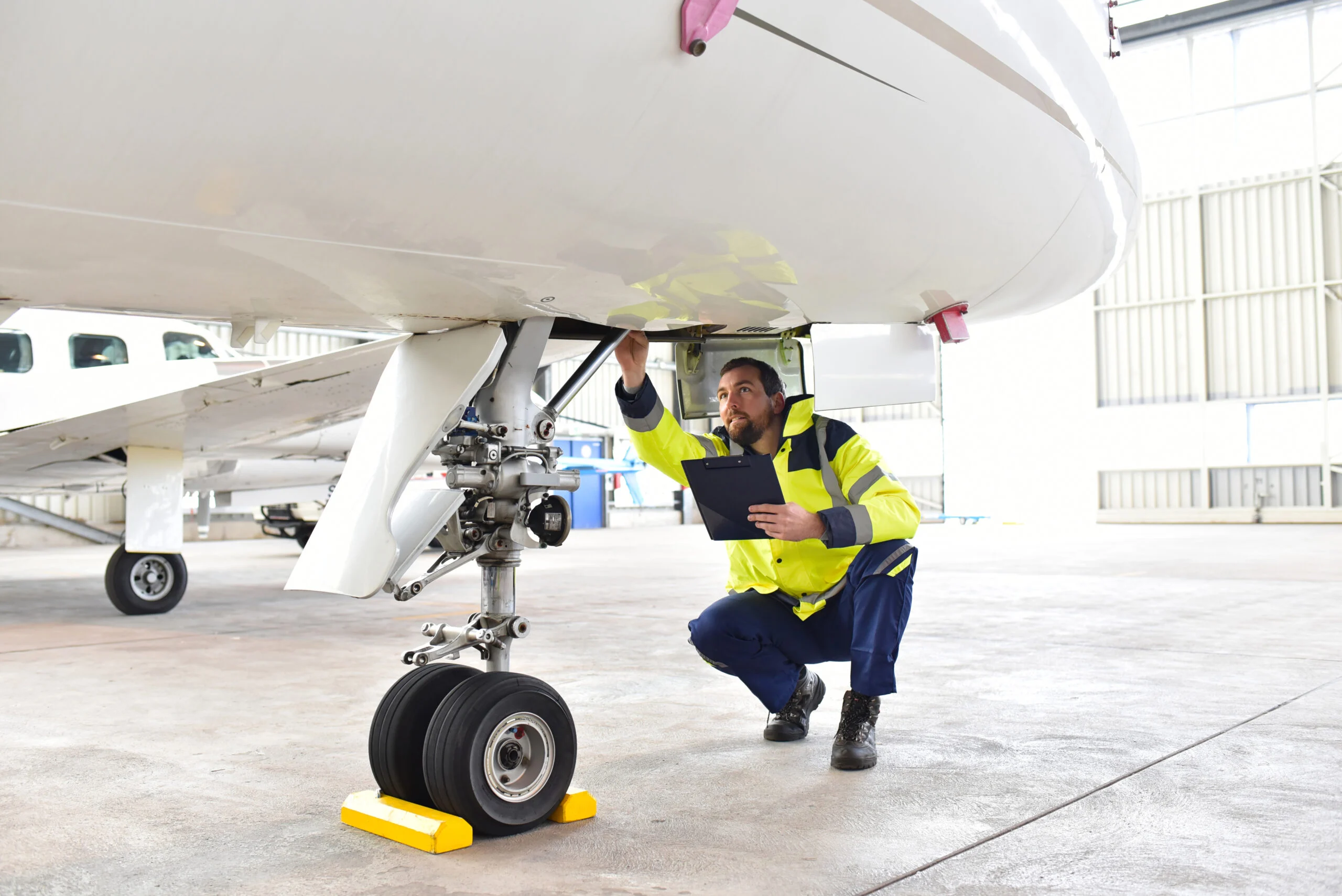
Aviation safety standards address multiple operational areas. Aircraft certification standards ensure that airplanes meet strict design and performance requirements before entering service. Maintenance standards define inspection schedules, repair procedures, and documentation requirements to maintain airworthiness.
Operational standards govern flight procedures, crew training, fatigue management, and emergency response. Air traffic management standards ensure safe aircraft separation and efficient airspace use. Airport safety standards focus on runway conditions, ground handling, firefighting, and passenger safety measures.
Safety Management Systems (SMS)
A core component of modern aviation safety is the Safety Management System. SMS is a proactive, data-driven approach to identifying hazards, assessing risks, and implementing mitigation strategies. Airlines, airports, and maintenance organizations are required to implement SMS frameworks that promote continuous monitoring and improvement.
An effective SMS encourages reporting of safety concerns without fear of punishment, fostering a strong safety culture. By analyzing safety data and trends, organizations can prevent incidents before they occur rather than reacting after accidents happen.
Role of Audits and Inspections
Regular audits and inspections are essential for ensuring compliance with aviation safety standards. Regulatory authorities conduct inspections to verify that operators follow approved procedures and regulations. Independent audits, such as operational safety audits, further enhance transparency and accountability.
These audits help identify weaknesses, enforce corrective actions, and maintain high safety performance across the industry. Organizations that consistently pass audits demonstrate strong commitment to safety excellence.
Aviation Safety Awards
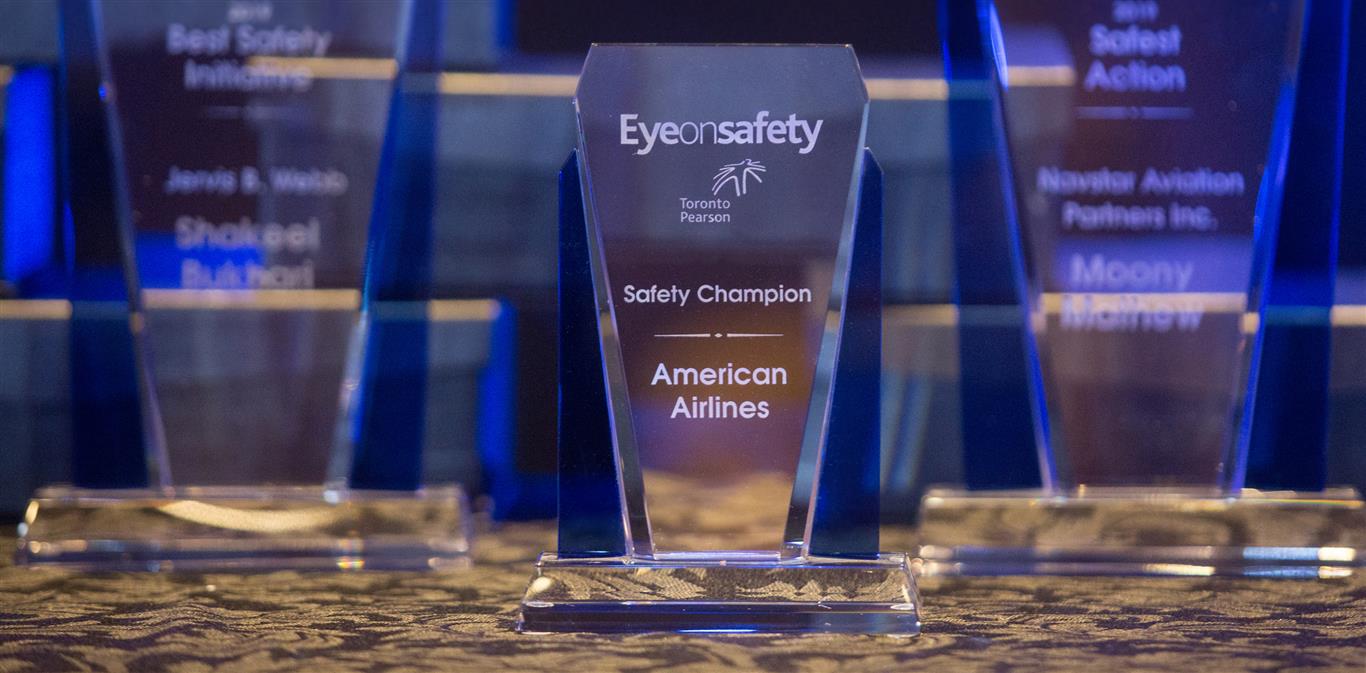
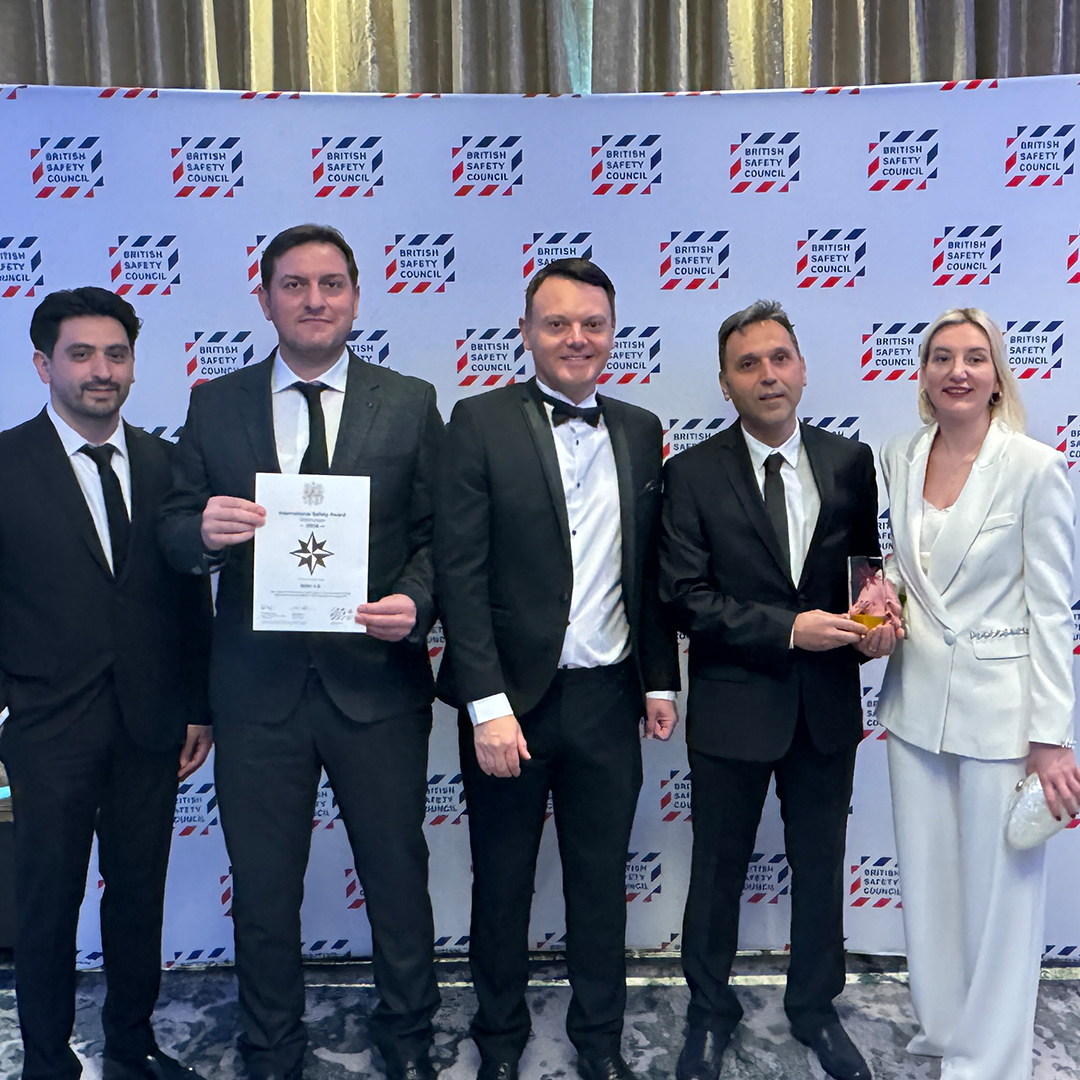
Aviation safety awards recognize organizations and individuals that achieve exceptional safety performance. These awards highlight best practices, innovation, and leadership in safety management. By celebrating excellence, safety awards encourage continuous improvement and motivate industry stakeholders to exceed minimum regulatory requirements.
Safety awards also enhance public confidence by demonstrating that airlines and aviation organizations prioritize passenger and operational safety.
Common Types of Aviation Safety Awards
Aviation safety awards are presented by industry organizations, regulatory bodies, and independent auditors. Awards may recognize airlines with outstanding safety records, successful implementation of safety management systems, or innovation in safety technology.
Some awards focus on operational safety, while others highlight training excellence, maintenance quality, or safety leadership. Receiving such recognition positions organizations as industry leaders and benchmarks for best practices.
Benefits of Safety Standards and Awards
Strict safety standards reduce accidents, enhance operational reliability, and protect lives. They also help organizations improve efficiency, reduce costs associated with incidents, and maintain regulatory compliance. Safety awards reinforce these benefits by promoting transparency, accountability, and continuous improvement.
For airlines and aviation service providers, recognition through safety awards strengthens brand reputation, builds passenger trust, and provides a competitive advantage in the global market.
Safety Culture and Continuous Improvement
A strong safety culture is essential for maintaining high safety standards. Organizations must encourage open communication, ongoing training, and leadership involvement in safety initiatives. Continuous improvement ensures that safety remains a priority despite operational and commercial pressures.
Safety standards and awards work together to support this culture by setting expectations and recognizing excellence.
Conclusion
Aviation safety standards and awards are critical pillars of the aviation industry. Standards establish the rules and systems that protect lives and ensure reliable operations, while awards recognize organizations that go beyond compliance to achieve excellence. Together, they promote trust, accountability, and continuous improvement, ensuring that aviation remains one of the safest modes of transportation in the world.