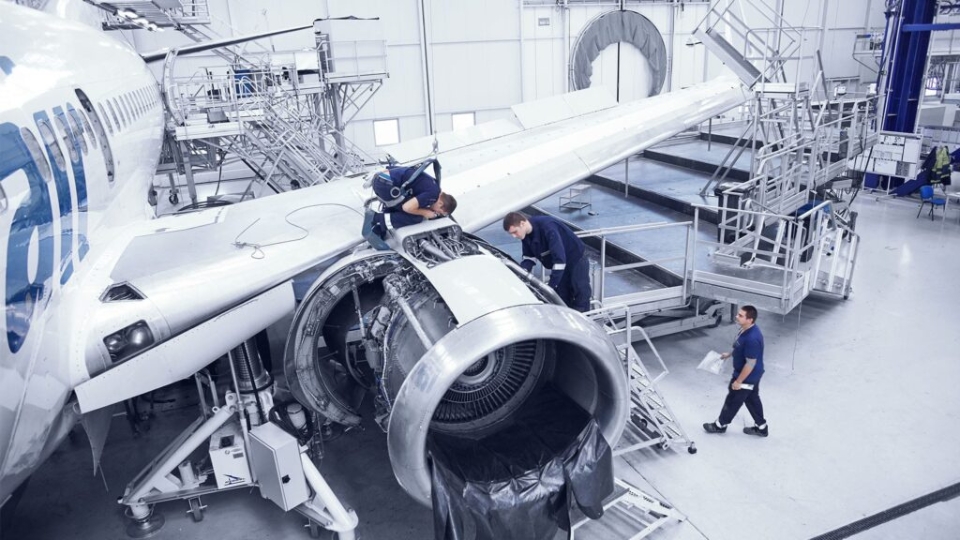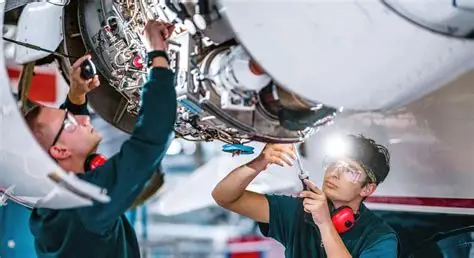
Aircraft maintenance is essential for safe and reliable flight operations. It ensures that every component works as intended. Without proper maintenance, even small issues can lead to serious risks. Therefore, following best practices helps airlines, operators, and technicians maintain high safety standards.
Importance of Regular Aircraft Maintenance
Regular maintenance keeps aircraft airworthy. It helps detect problems before they become major failures. In addition, it reduces unexpected downtime and costly repairs. Well-maintained aircraft also perform better and last longer.
Maintenance is not only a technical task. It is also a legal requirement. Aviation authorities set strict rules that operators must follow. These rules protect passengers, crew, and cargo.
Scheduled Maintenance Inspections
Scheduled inspections form the backbone of aircraft maintenance. These checks follow a fixed timeline based on flight hours, cycles, or calendar days. Common inspections include daily checks, A-checks, and heavy maintenance visits.
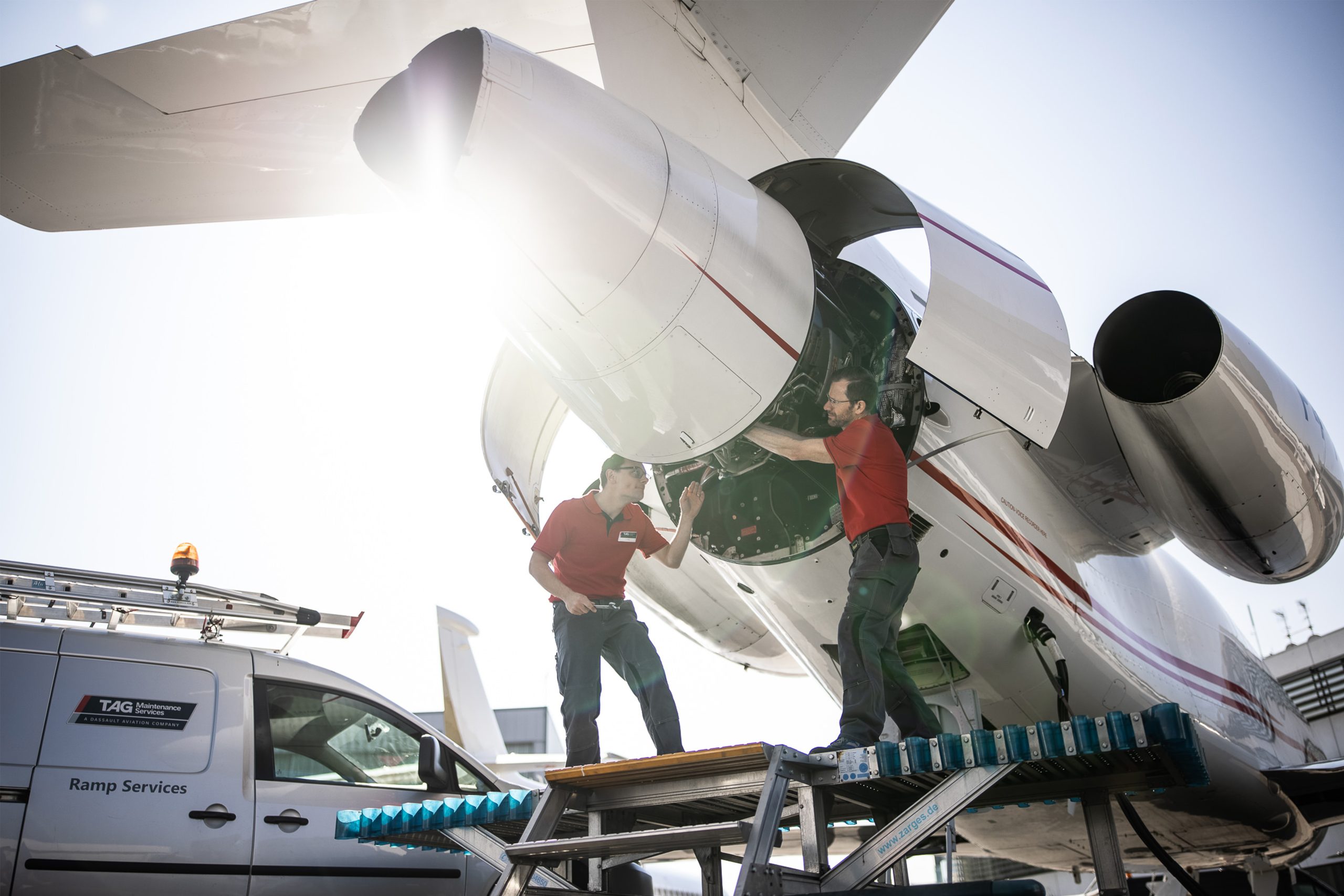
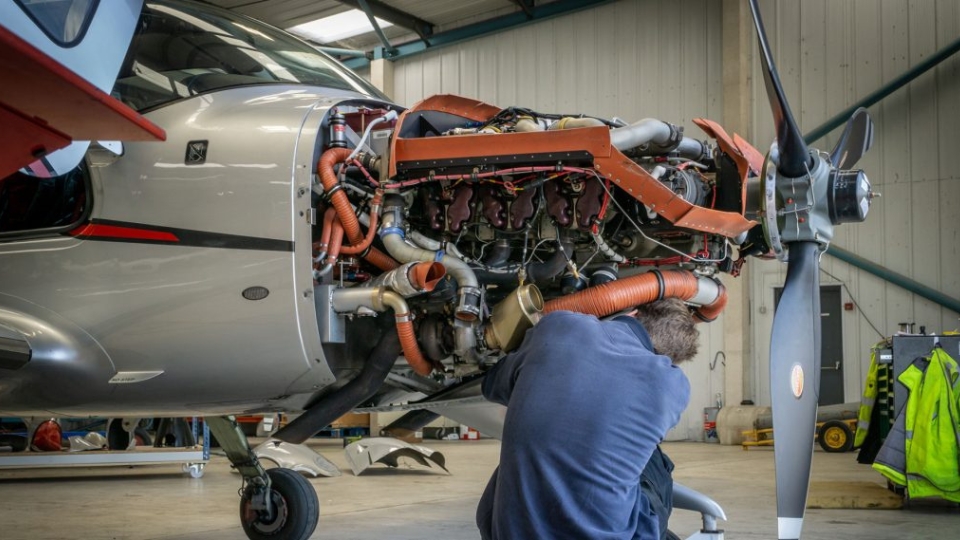
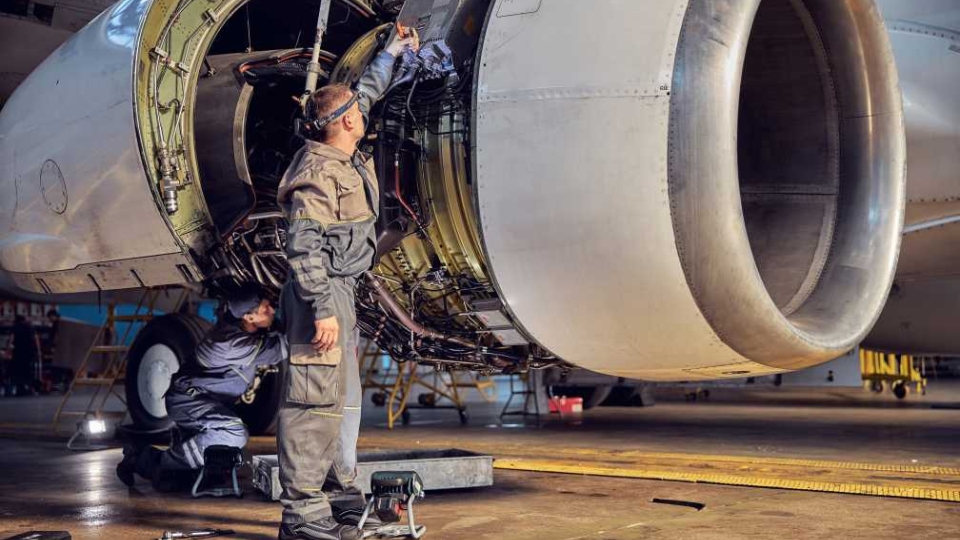
During these inspections, technicians examine engines, flight controls, landing gear, and avionics. They also review maintenance records. As a result, no issue goes unnoticed.
Following the manufacturer’s maintenance schedule is critical. Skipping or delaying inspections can compromise safety and lead to penalties.
Use of Proper Documentation
Accurate documentation is a key best practice. Maintenance logs track repairs, inspections, and part replacements. These records help technicians understand the aircraft’s history.
Clear documentation also supports compliance with aviation regulations. In addition, it makes audits and inspections easier. When records are complete, maintenance teams can work more efficiently.
Skilled and Trained Maintenance Personnel
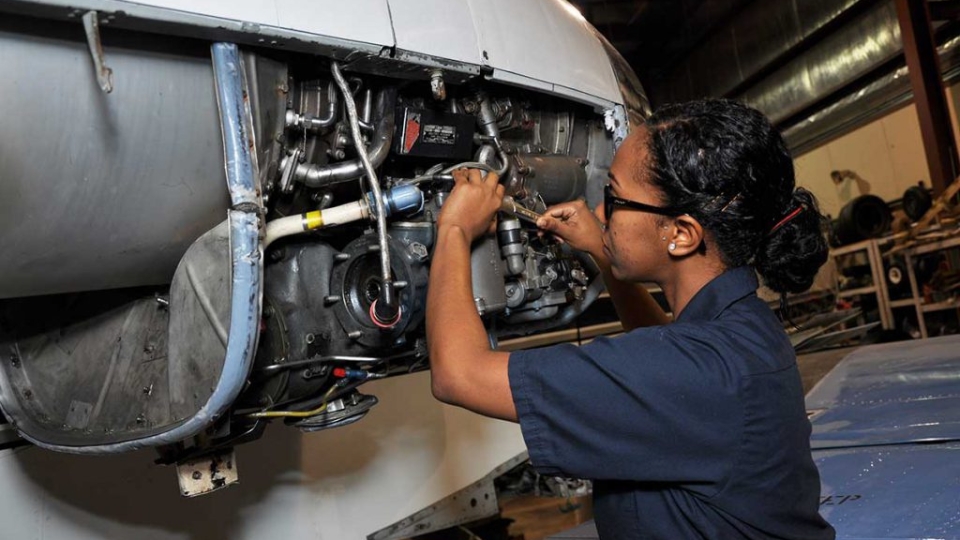
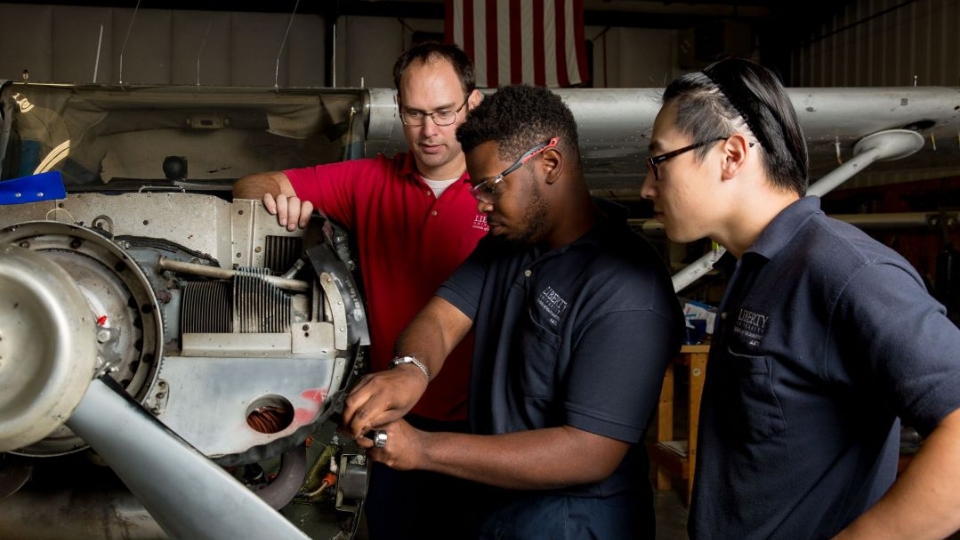
Aircraft maintenance requires trained professionals. Technicians must hold proper certifications and stay updated on new technologies. Aircraft systems evolve quickly, so continuous training is essential.
Well-trained personnel reduce human error. They also follow standard procedures more effectively. As a result, maintenance quality improves across all operations.
Use of Approved Tools and Parts
Using approved tools and certified parts is another best practice. Unapproved components can cause system failures. They may also void warranties or violate regulations.
Genuine parts ensure compatibility and reliability. Similarly, calibrated tools provide accurate results. Together, they help maintain aircraft performance and safety.
Preventive Maintenance Approach
Preventive maintenance focuses on fixing issues before they fail. Instead of waiting for breakdowns, technicians replace parts based on wear limits. This approach reduces delays and emergency repairs.
Preventive maintenance also lowers long-term costs. While it may seem expensive upfront, it prevents major failures later. Therefore, it supports both safety and efficiency.
Focus on Cleanliness and Environment
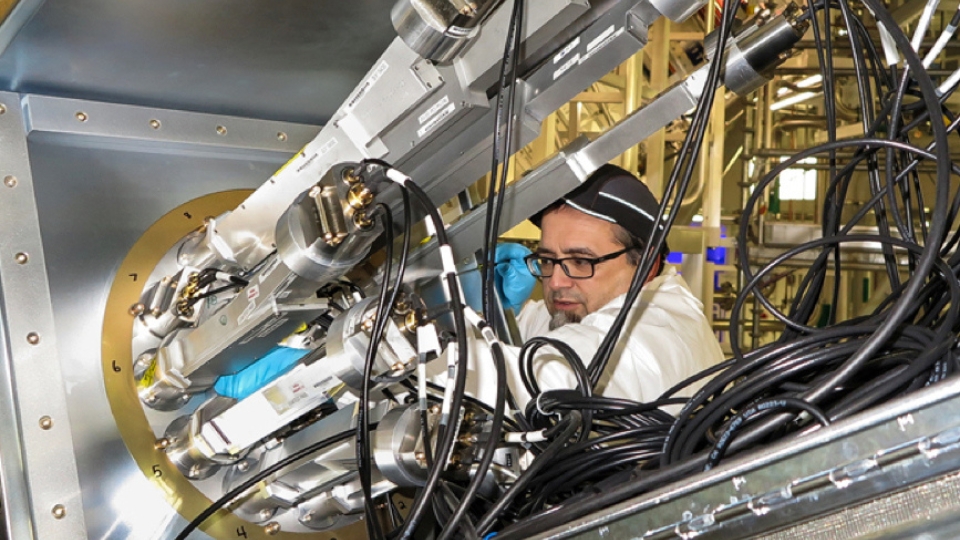
Cleanliness plays a larger role than many realize. Dirt, debris, and moisture can damage sensitive components. For example, contamination in fuel systems can affect engine performance.
Maintenance should take place in controlled environments when possible. Proper lighting, ventilation, and temperature control also improve work quality.
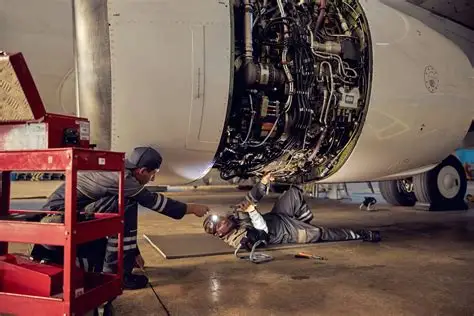
Aircraft maintenance best practices
Compliance With Safety Standards
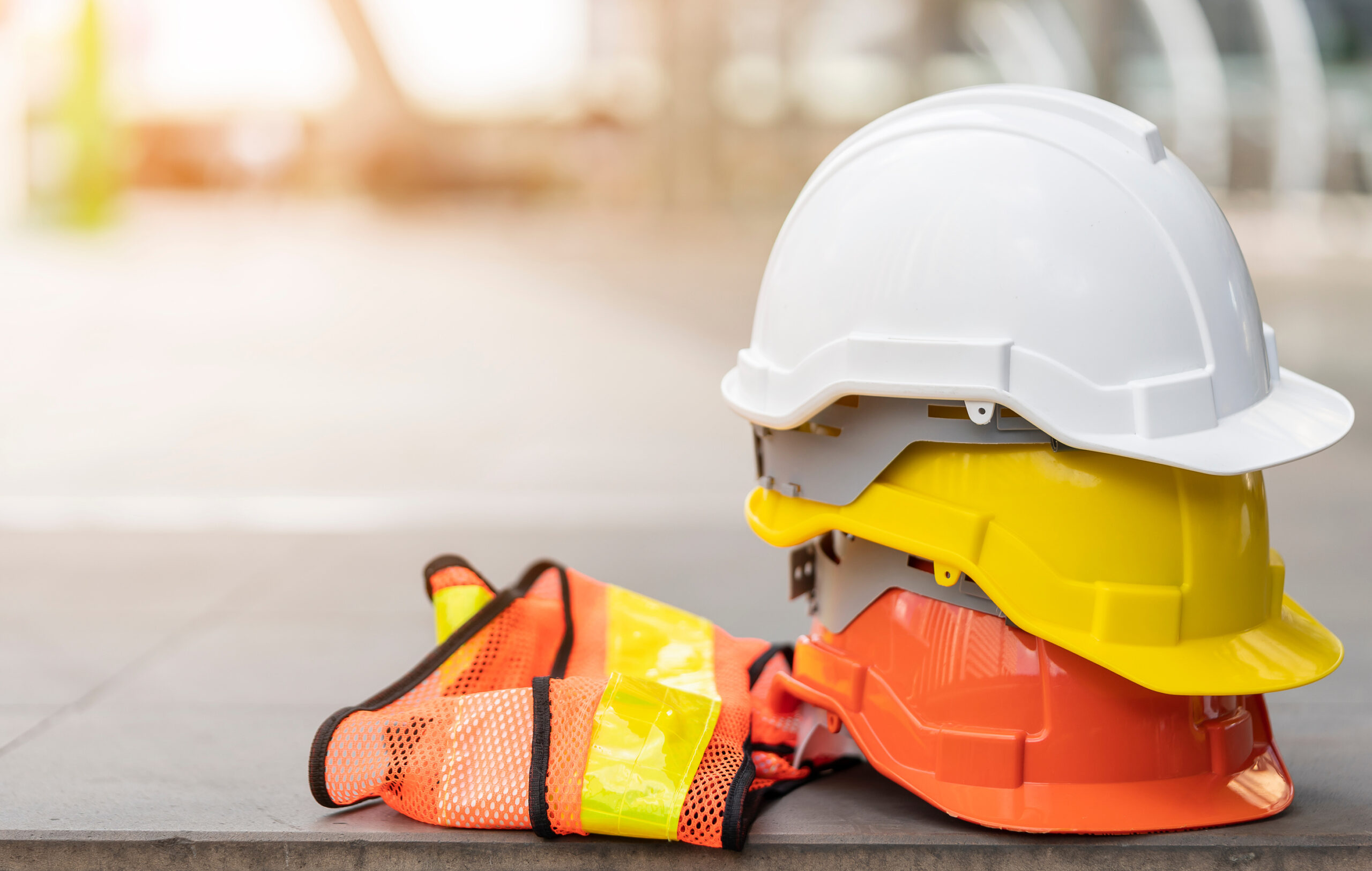
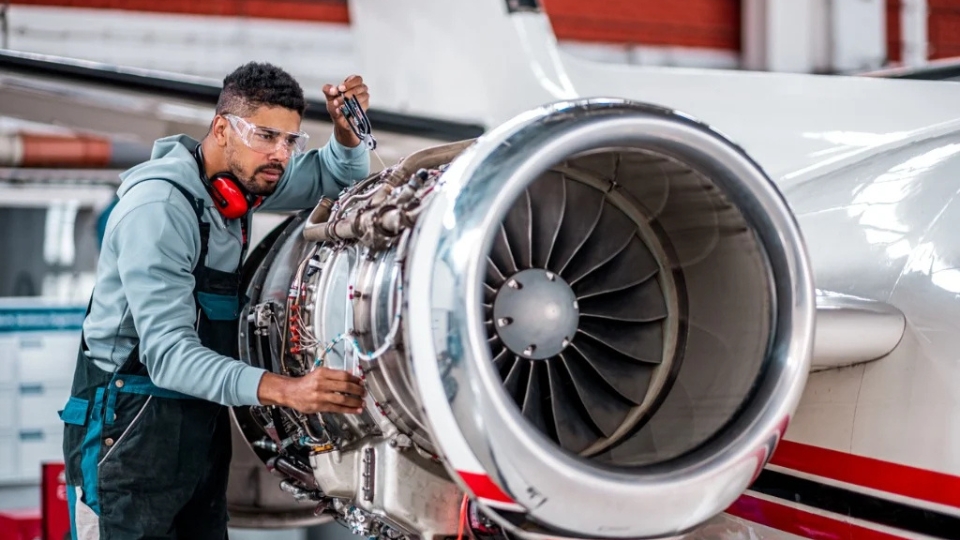
Safety procedures must always be followed. This includes wearing protective equipment and following lockout procedures. Clear communication among maintenance teams is also important.
Safety-focused maintenance protects both technicians and aircraft. It also builds trust with passengers and regulators.
Conclusion
Aircraft maintenance best practices focus on safety, consistency, and precision. Regular inspections, skilled personnel, proper documentation, and preventive maintenance all play vital roles. When these practices are followed, aircraft remain safe, efficient, and reliable. In the long run, strong maintenance standards benefit everyone involved in aviation.