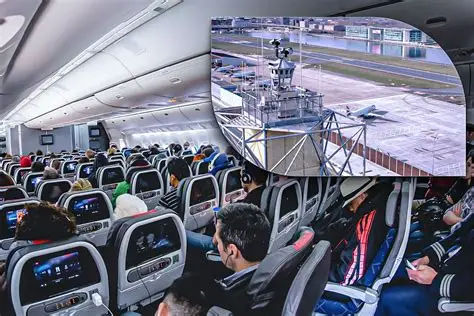
Flight services and onboard experiences are key elements of modern air travel. They influence passenger satisfaction, loyalty, and overall perception of an airline. A pleasant and efficient flight experience goes beyond just reaching a destination. It includes comfort, safety, entertainment, and personal attention throughout the journey.
Importance of Flight Services
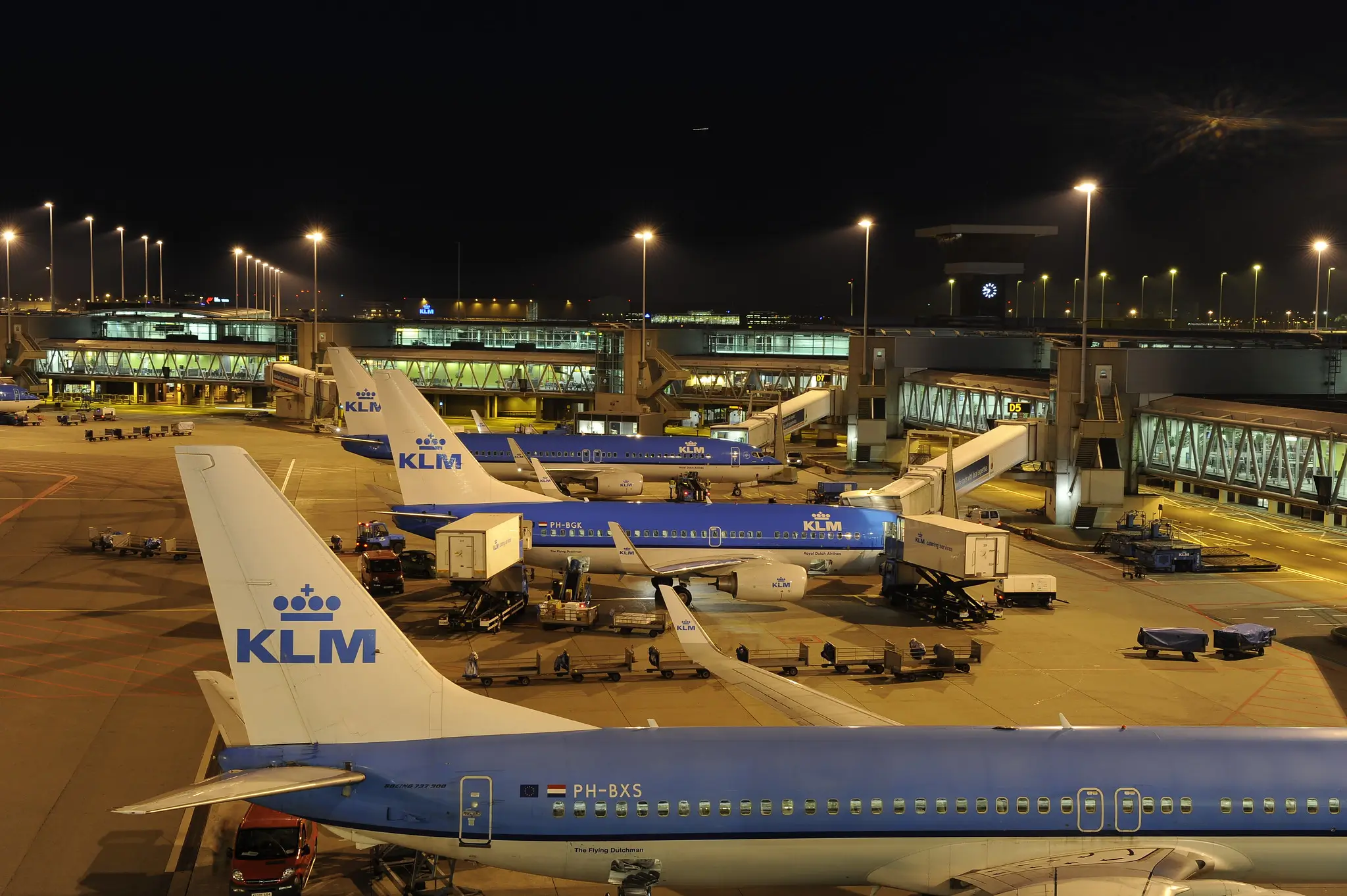
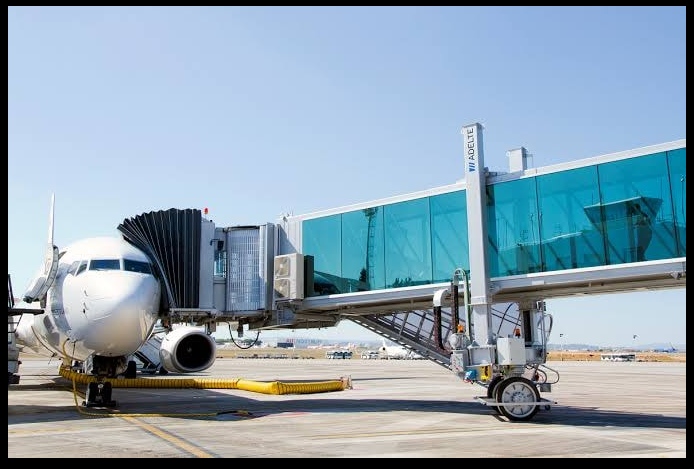
Flight services ensure passengers travel comfortably and safely. They include check-in assistance, baggage handling, boarding procedures, and inflight support. When airlines focus on service quality, passengers feel valued and confident. This, in turn, enhances the airline’s reputation and customer retention.
Well-structured flight services also reduce delays and operational issues. Clear procedures for boarding, security, and baggage make the travel experience smoother. This benefits both passengers and airline staff.
In-Flight Comfort and Seating
Seating arrangements play a major role in onboard comfort. Airlines provide various classes, such as economy, business, and first class, each with distinct features. Adjustable seats, legroom, and recline options improve passenger comfort. Some airlines offer premium seating with added privacy and amenities for long-haul flights.
Cabin temperature, lighting, and air quality also contribute to comfort. Properly regulated cabins help passengers feel relaxed and less fatigued during flights. Small touches, like blankets, pillows, and amenity kits, enhance the onboard experience.
In-Flight Meals and Refreshments
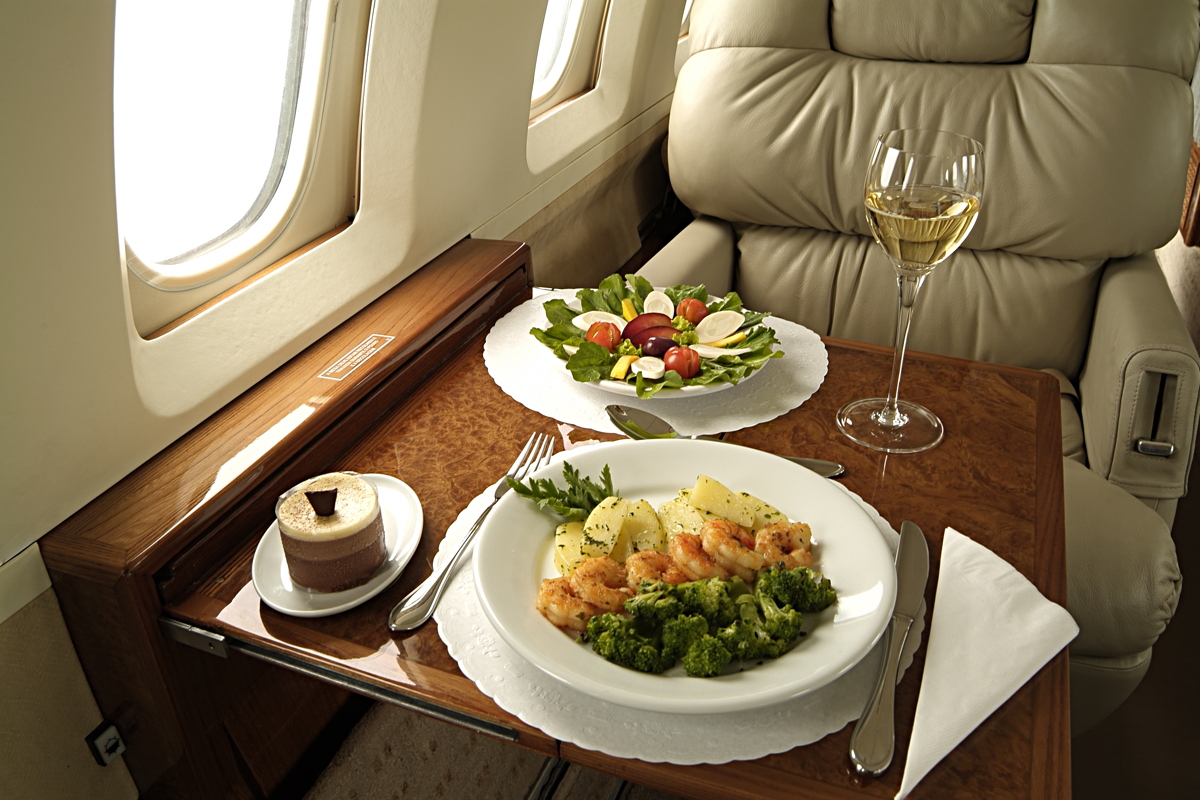
Food and beverages are essential parts of the onboard experience. Airlines cater to different tastes and dietary needs, offering vegetarian, vegan, gluten-free, or culturally specific meals. High-quality food and timely service improve passenger satisfaction.
Beverage options, including soft drinks, juices, tea, coffee, and alcoholic drinks, complement meals. For long-haul flights, meal schedules are carefully planned to match time zones and passenger needs. Attention to meal quality and presentation reflects an airline’s commitment to service excellence.
Entertainment and Connectivity
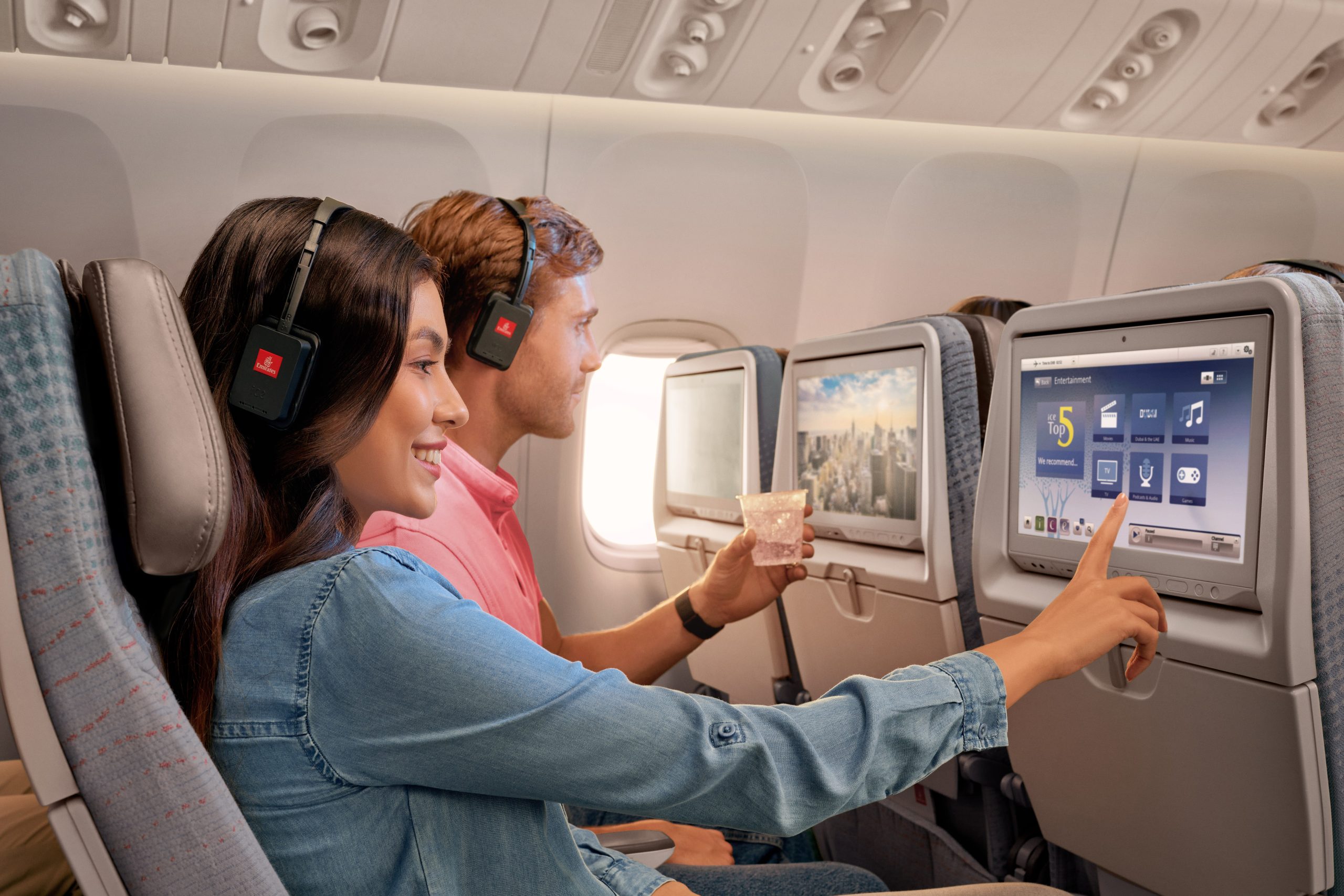
Modern flights provide a range of entertainment options. In-flight entertainment systems offer movies, music, games, and educational content. Wi-Fi connectivity allows passengers to work or stay connected with friends and family.
Entertainment enhances passenger comfort and reduces the perception of flight duration. Some airlines also provide mobile apps to control personal screens, select content, and order meals. These technological features create a more enjoyable experience.
Safety and Professional Crew
Safety remains the top priority during every flight. Cabin crew are trained to manage emergencies and ensure passenger well-being. Flight attendants guide passengers on safety protocols, provide first aid when needed, and monitor the cabin for potential issues.
Professionalism and friendliness of the crew are essential. Courteous and attentive staff create a positive onboard environment. Their support makes the journey safer and more enjoyable for passengers.

Flight services and onboard experiences
Personalization and Special Services
Airlines increasingly offer personalized services. These include assistance for children, elderly passengers, or travelers with disabilities. Special services such as priority boarding, lounge access, and extra baggage allowances add value to the travel experience.
Some airlines use passenger data to anticipate needs. Personalized meal options, seating preferences, or frequent flyer benefits enhance satisfaction and loyalty.
Conclusion
Flight services and onboard experiences are vital to modern aviation. From comfort and meals to entertainment and safety, every element contributes to passenger satisfaction. Airlines that invest in quality services, professional crews, and personalized experiences stand out in a competitive industry. Ultimately, a well-rounded onboard experience transforms air travel from a routine journey into a memorable experience.