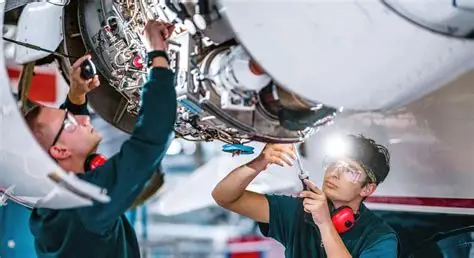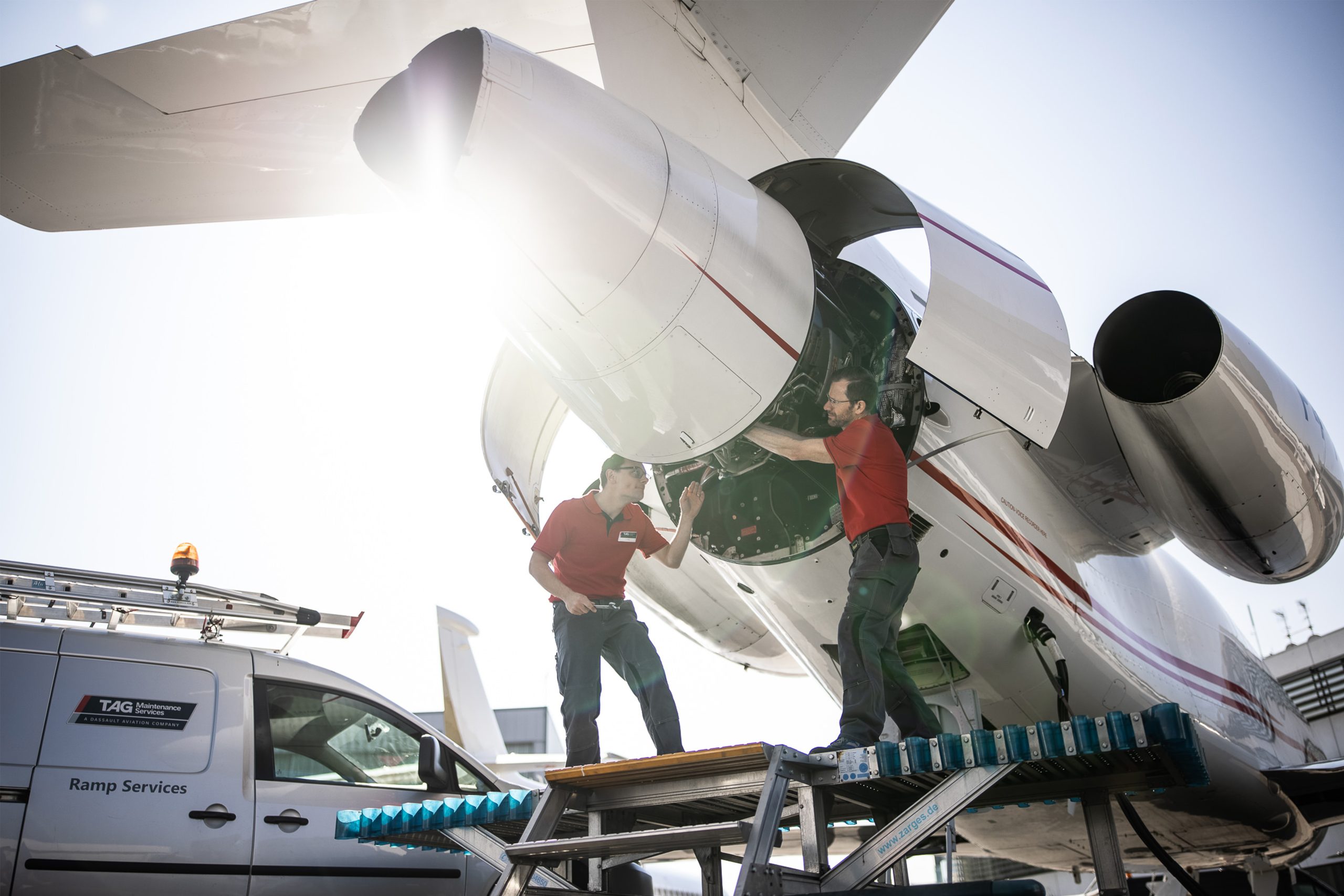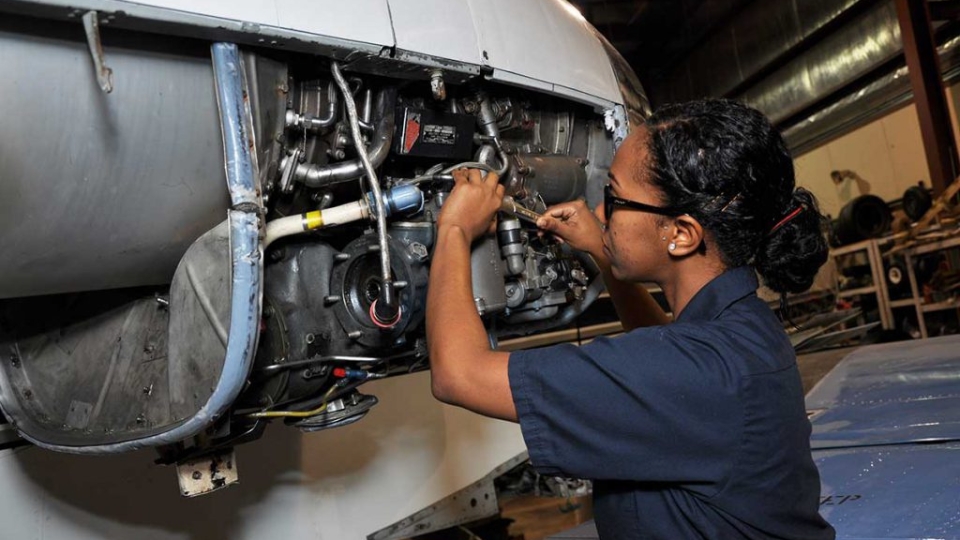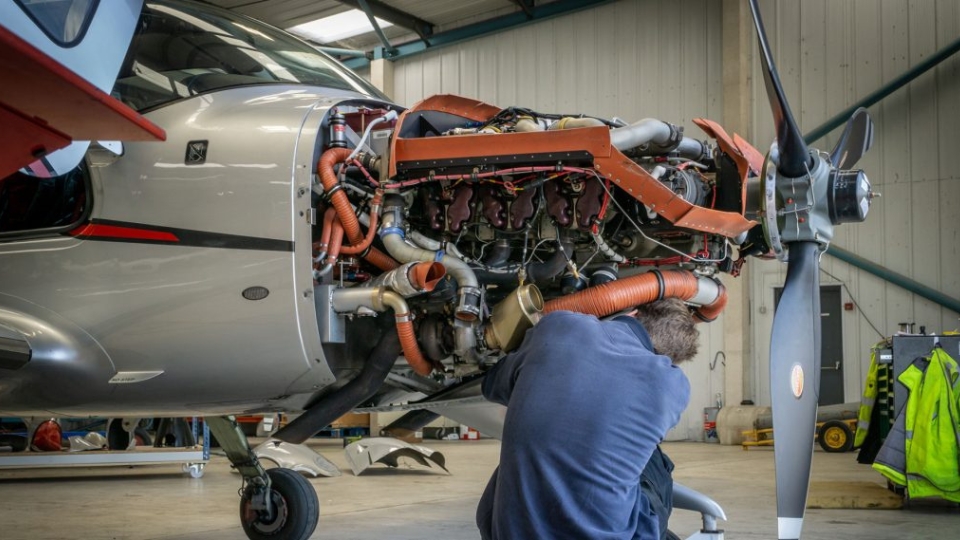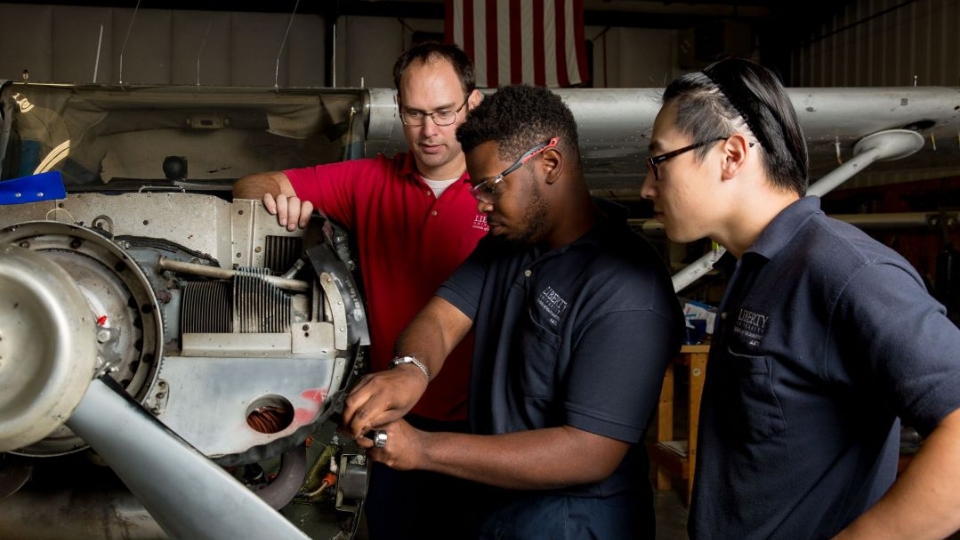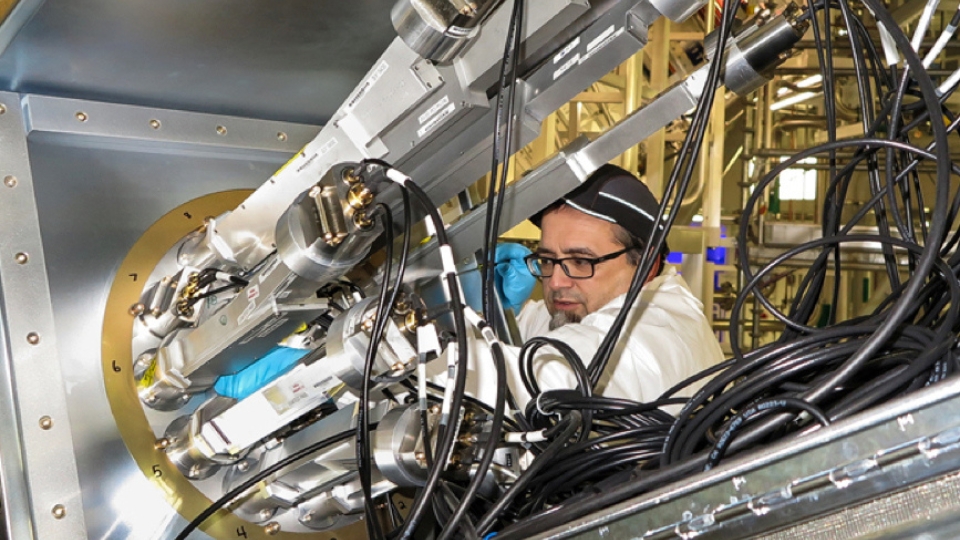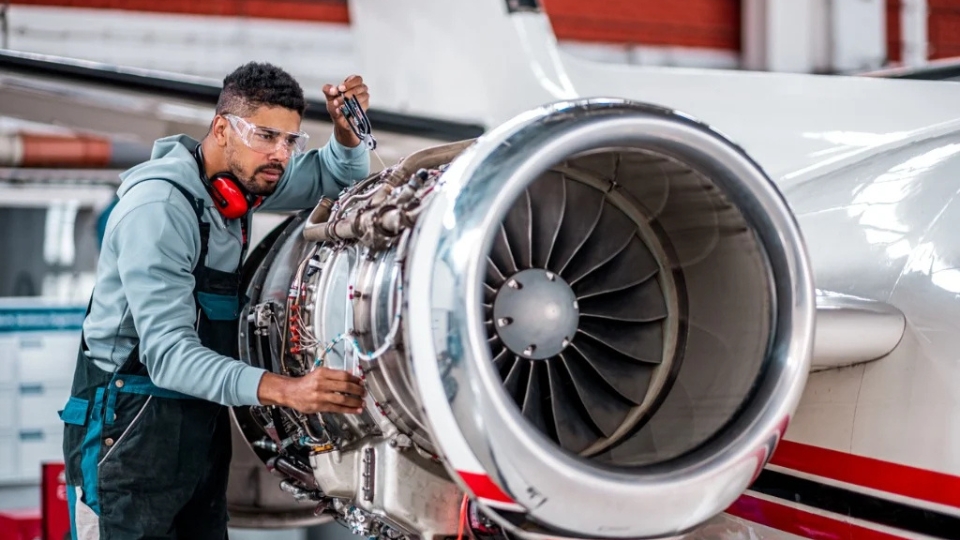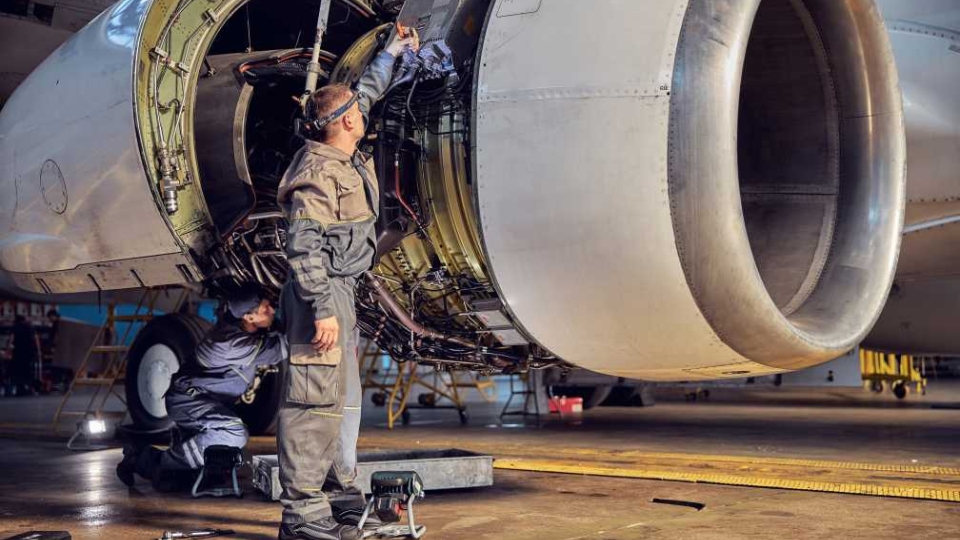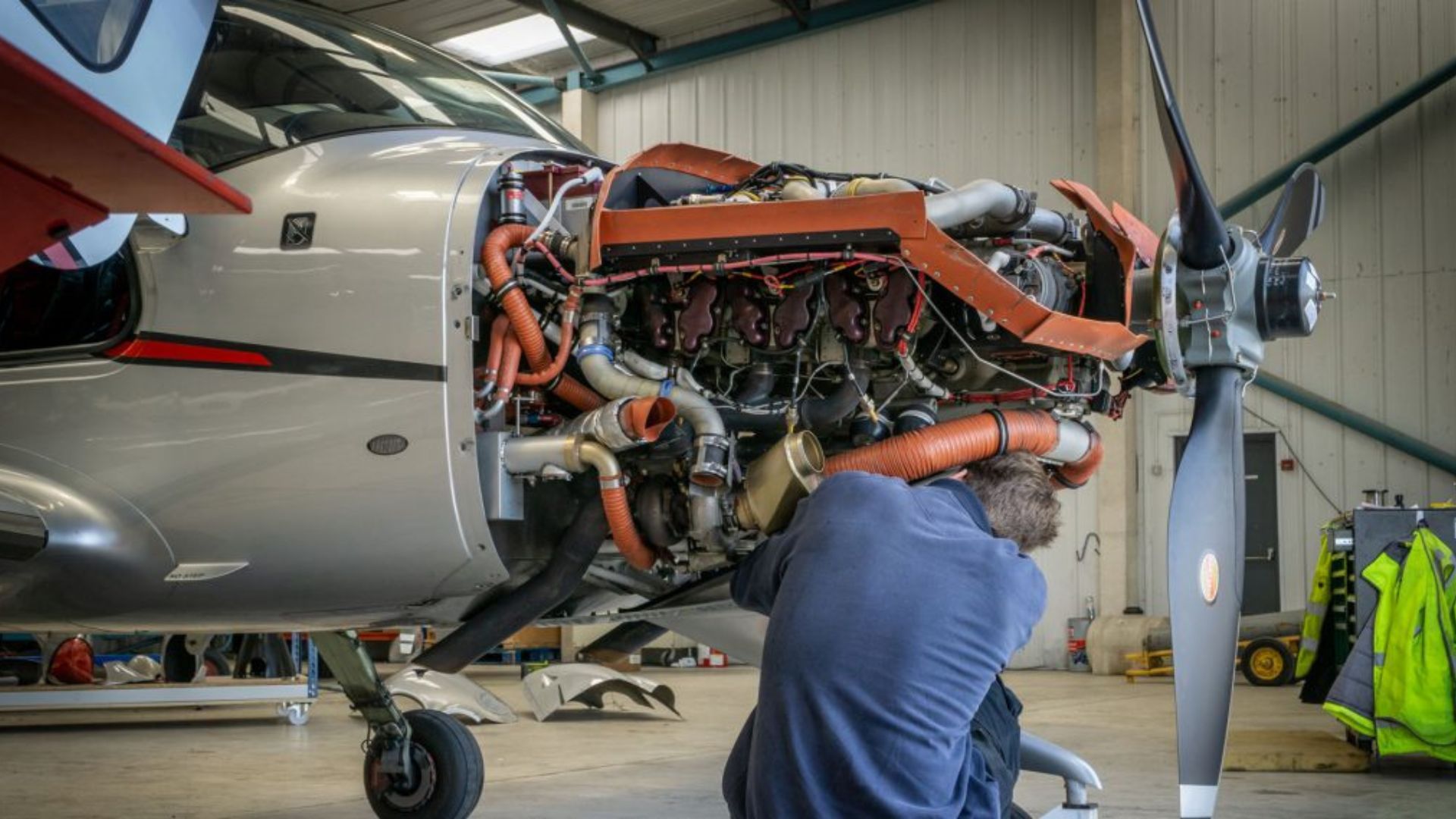
Aircraft maintenance plays a critical role in ensuring safe and reliable air travel. Airlines face increasing pressure to maintain high standards while managing costs and schedules. Boosting aircraft maintenance efficiency is no longer optional—it is essential for operational success. By adopting advanced strategies, airlines can enhance safety, reduce downtime, and optimize resources.
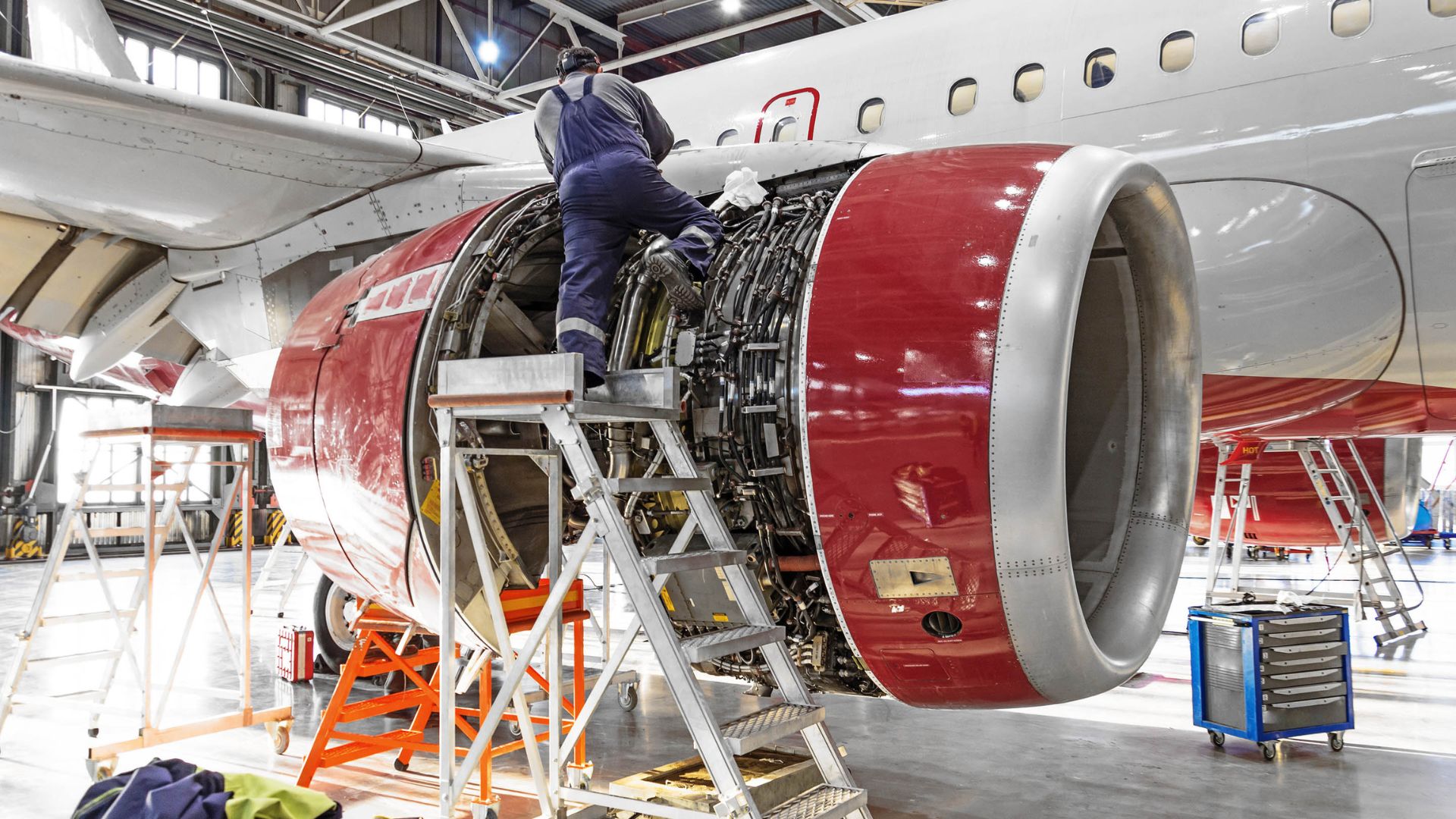
Boosting Aircraft Maintenance Efficiency
Understanding Aircraft Maintenance Efficiency
Efficiency in aircraft maintenance means completing inspections, repairs, and upgrades quickly and accurately. It ensures planes are ready for flights without unnecessary delays. Inefficient maintenance can result in canceled flights, increased operational costs, and compromised safety. Therefore, airlines are investing in systems and processes that streamline maintenance tasks and improve productivity.
Key Components of Efficient Maintenance
Several factors contribute to boosting aircraft maintenance efficiency:
-
Skilled Workforce: Well-trained technicians complete tasks faster and with fewer errors.
-
Advanced Tools and Equipment: Modern diagnostic tools detect issues early, preventing larger problems.
-
Data-Driven Scheduling: Using historical data to plan maintenance reduces downtime and improves resource allocation.
-
Standardized Procedures: Clear, consistent processes reduce confusion and enhance performance.
Implementing Predictive Maintenance
Predictive maintenance is transforming aviation. Instead of waiting for parts to fail, airlines now monitor aircraft systems to anticipate issues before they occur. This proactive approach is vital for boosting aircraft maintenance efficiency. Sensors and data analytics allow technicians to address potential problems early, minimizing downtime and preventing costly repairs.
Benefits of Predictive Maintenance
-
Reduces unexpected failures
-
Extends the lifespan of aircraft components
-
Optimizes inventory management
-
Improves overall operational reliability
By adopting predictive maintenance, airlines can move from reactive fixes to proactive care, enhancing both safety and efficiency.
Leveraging Technology for Maintenance
Technology plays a crucial role in boosting aircraft maintenance efficiency. Digital platforms, mobile apps, and AI-driven tools help maintenance teams track inspections, schedule tasks, and manage spare parts. Using technology also ensures that every maintenance step is documented accurately, supporting compliance with aviation regulations.
Tools That Improve Efficiency
-
Maintenance management software
-
Mobile inspection applications
-
AI and machine learning for predictive diagnostics
-
Automated inventory tracking
These tools not only save time but also reduce human error, making aircraft maintenance safer and more reliable.
Streamlining Processes with Lean Principles
Lean management principles, commonly used in manufacturing, are now applied to aviation maintenance. Lean focuses on eliminating waste, simplifying workflows, and maximizing value. By applying lean principles, airlines can achieve significant improvements in boosting aircraft maintenance efficiency.
Practical Lean Strategies
-
Reduce unnecessary movements and steps during maintenance
-
Standardize tasks to avoid confusion
-
Use visual tools to track work progress
-
Train employees in problem-solving techniques
Lean principles help teams work smarter, complete maintenance faster, and improve aircraft availability.
Continuous Training and Skill Development
Investing in employee training is crucial for boosting aircraft maintenance efficiency. Aviation technology evolves rapidly, and technicians must stay updated with new tools and systems. Continuous learning ensures that teams can address complex issues promptly and maintain high-quality standards.
Training Approaches
-
On-the-job training for real-time problem-solving
-
Simulation-based workshops for advanced troubleshooting
-
Certification programs to enhance technical expertise
With skilled and knowledgeable staff, airlines can perform maintenance more efficiently, reducing errors and improving overall operational safety.
Monitoring Performance and Metrics
Tracking performance metrics is essential for understanding how well maintenance teams operate. Key performance indicators (KPIs) allow airlines to identify bottlenecks and areas for improvement. Metrics such as turnaround time, task completion rates, and compliance scores help in boosting aircraft maintenance efficiency.
Metrics to Track
-
Aircraft downtime per month
-
Mean time to repair (MTTR)
-
On-time completion of scheduled maintenance
-
Cost per maintenance activity
Regularly analyzing these metrics ensures continuous improvement and helps airlines maintain high operational standards.
Benefits of Boosting Aircraft Maintenance Efficiency
Enhancing maintenance efficiency offers multiple advantages:
-
Improved safety and reliability of flights
-
Reduced operational costs
-
Increased aircraft availability
-
Better customer satisfaction due to fewer delays
Airlines that focus on maintenance efficiency gain a competitive advantage and strengthen their reputation for safety and reliability.
Conclusion
Boosting aircraft maintenance efficiency is essential for modern aviation. By combining skilled personnel, advanced technology, lean processes, predictive maintenance, and continuous training, airlines can reduce downtime, enhance safety, and lower costs. Monitoring metrics ensures consistent improvement and operational excellence. Investing in maintenance efficiency is not just a technical requirement—it is a strategic approach that benefits airlines, passengers, and the entire aviation industry.