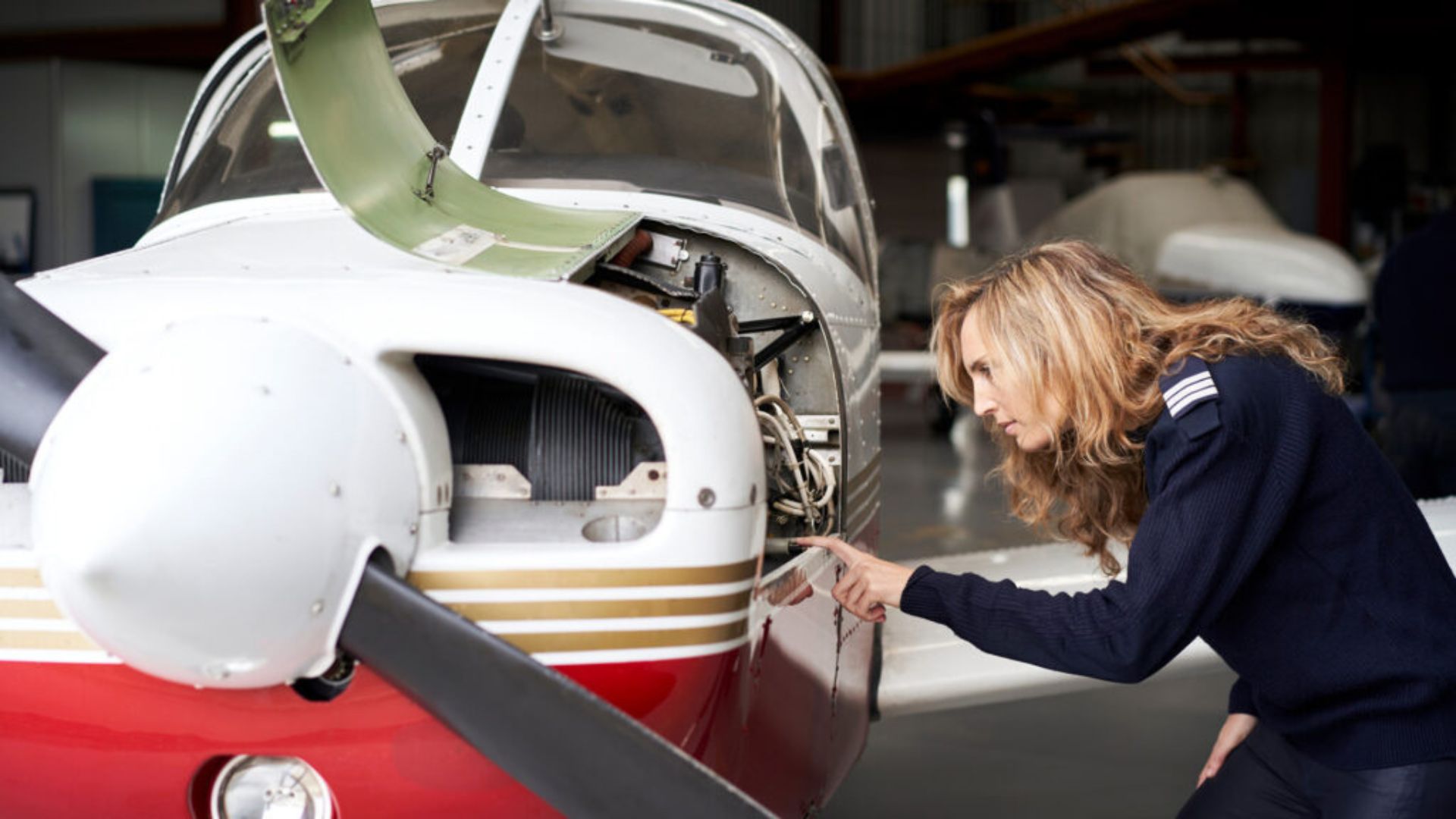
Flying millions of feet above the ground involves inherent risks, but consistent aircraft maintenance drastically reduces those risks. Maintaining an aircraft is far more than routine upkeep—it’s a critical safety measure that saves lives by preventing mechanical failures and ensuring peak performance. Let’s explore why regular maintenance is essential for aviation safety.
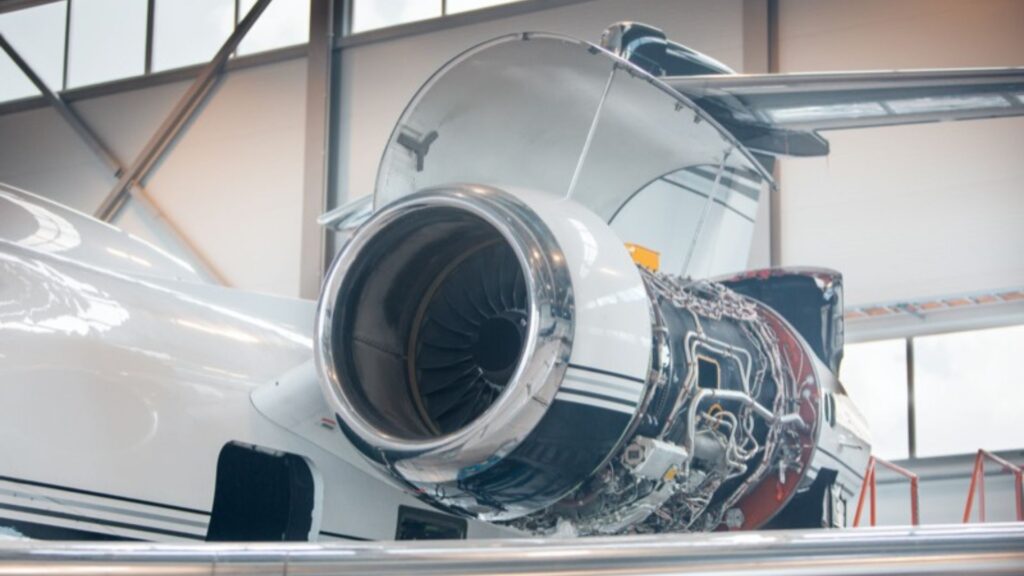
The Critical Role of Aircraft Maintenance
Aircraft operate in a demanding environment. They endure extreme temperatures, intense vibrations, and constant pressure changes. Regular inspections, repairs, and system checks ensure that every part functions correctly and meets rigorous safety standards.
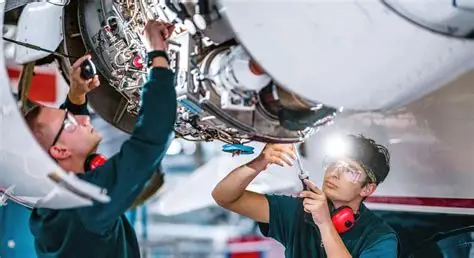
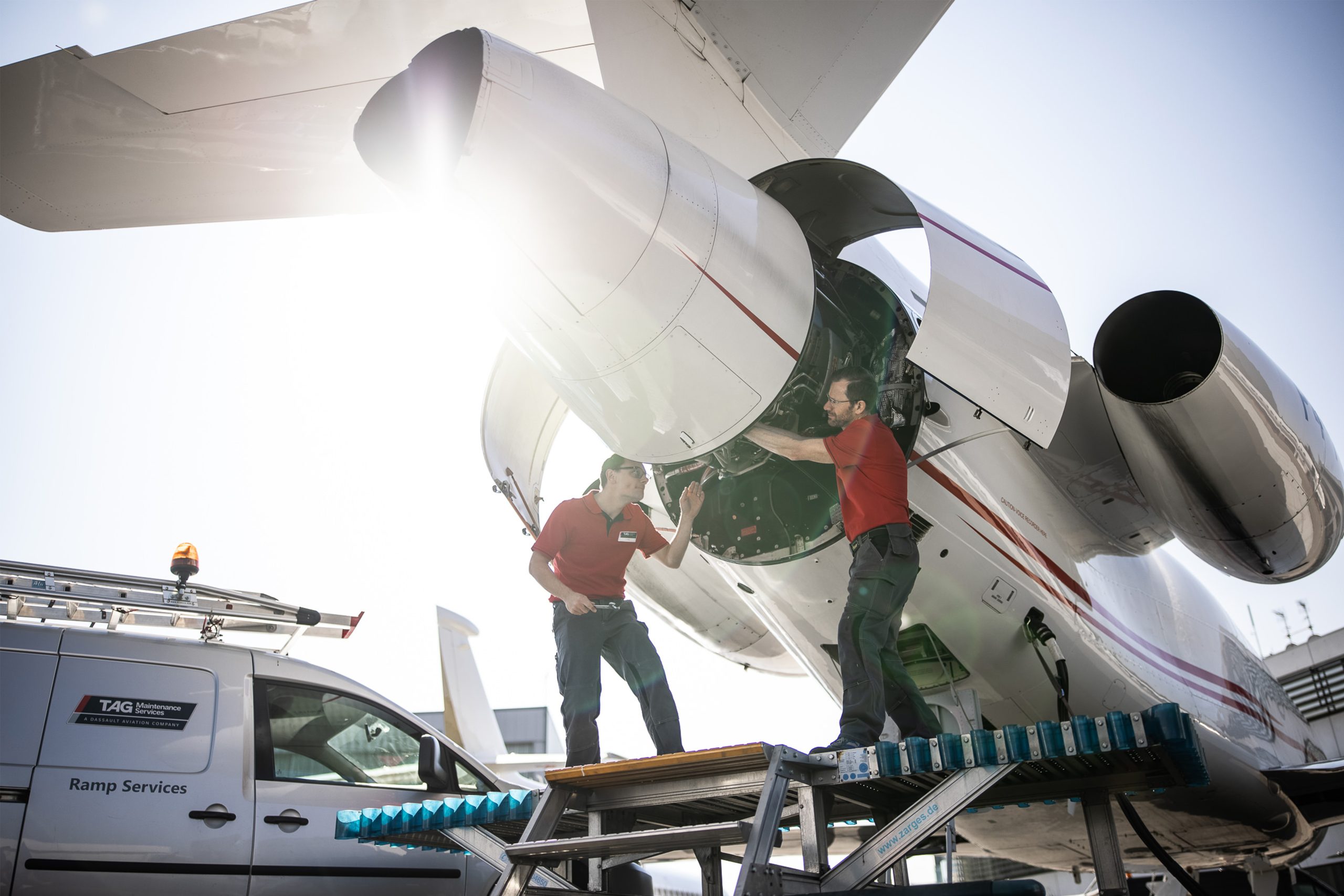
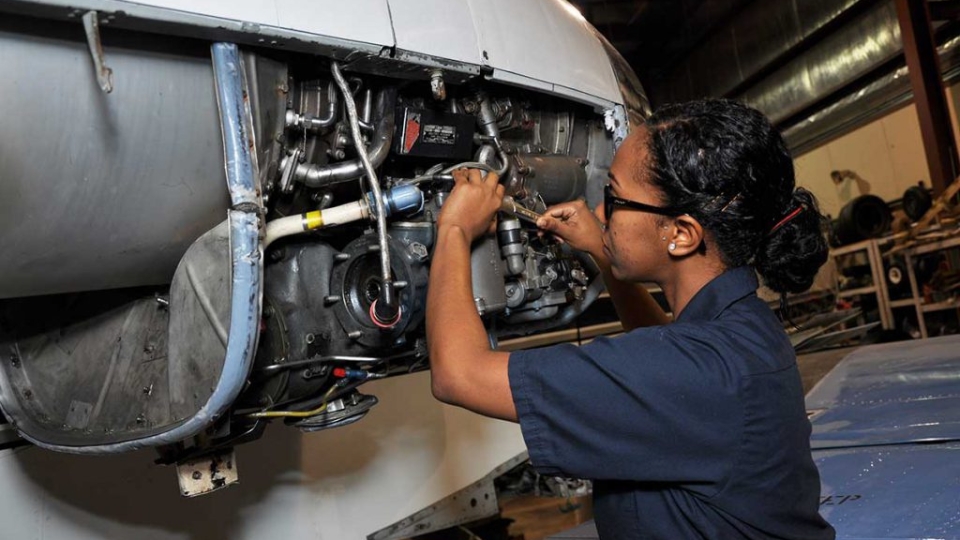
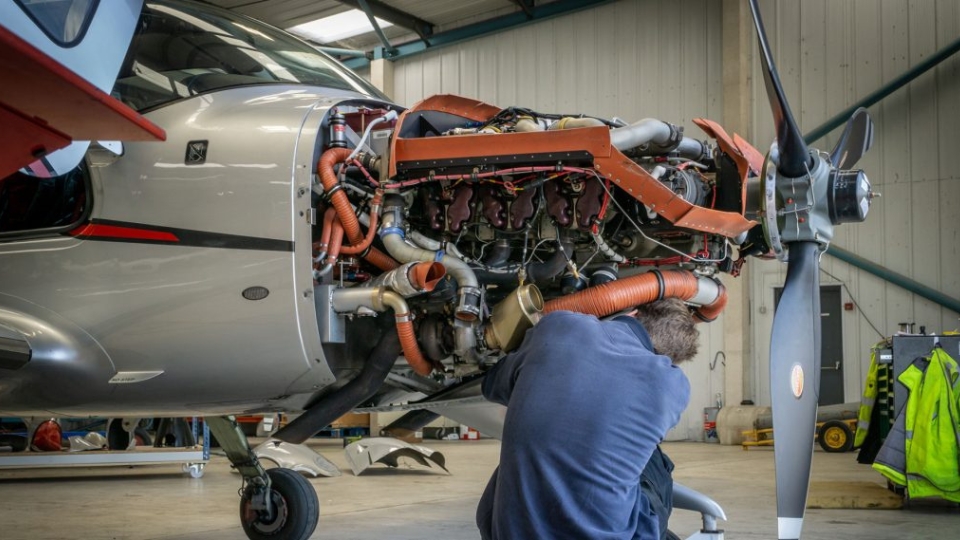
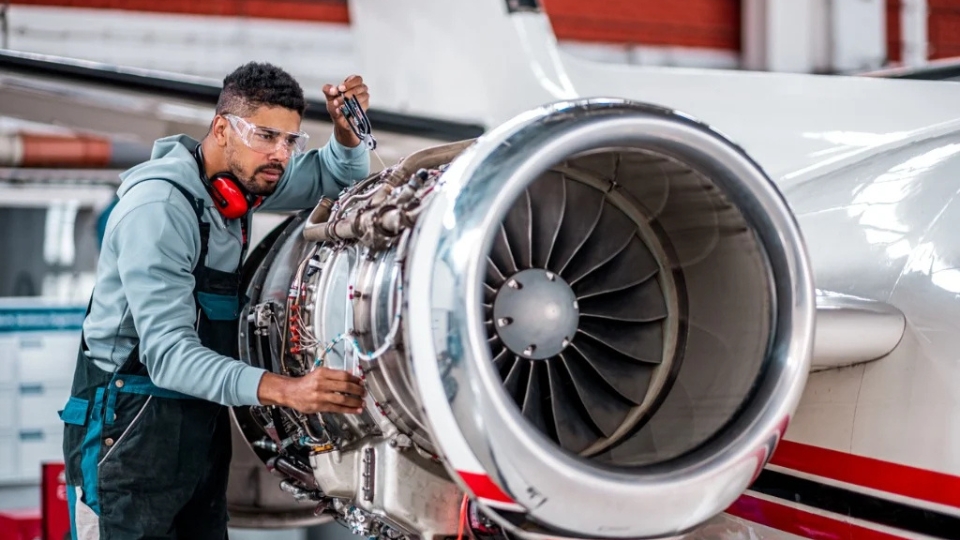
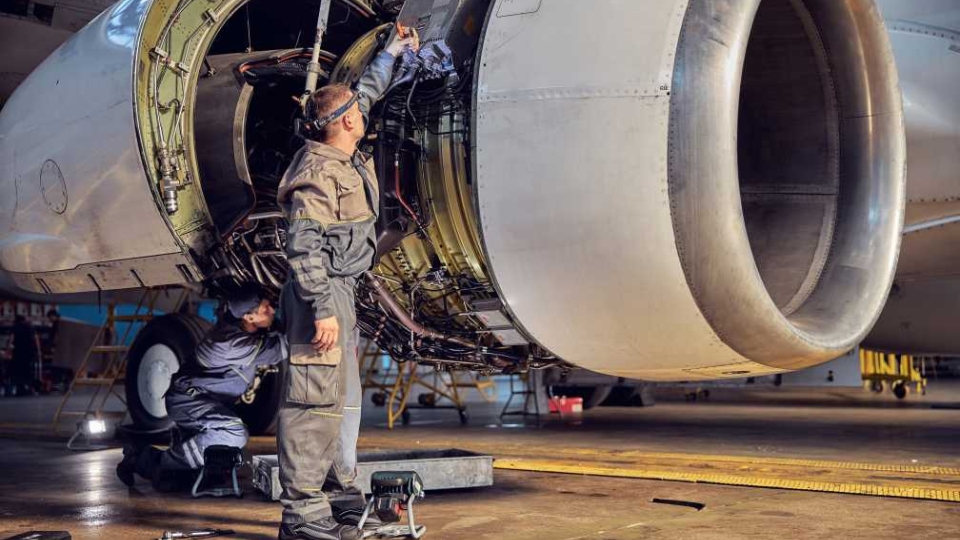
Aircraft maintenance involves checking engines, avionics, hydraulics, control surfaces, landing gear, and structural components. These inspections identify wear, corrosion, or damage that could lead to catastrophic failures if left unaddressed.
Preventing Mechanical Failures Before They Occur
Maintenance teams follow strict schedules based on flight hours, cycles, or calendar time. This proactive approach uncovers small issues before they escalate into emergencies. For instance, replacing worn-out engine parts or detecting cracks in the fuselage early prevents in-flight failures.
By ensuring engines and critical systems are in top condition, maintenance crews prevent malfunctions that could compromise flight safety, reducing the risk of accidents and emergency landings.
Compliance with Safety Regulations
Aviation authorities such as the FAA, EASA, and ICAO mandate detailed maintenance programs. Airlines and operators must comply with these regulations to keep their operating certificates.
These rules set minimum maintenance intervals and standards for inspections, repairs, and component replacements. Compliance guarantees that aircraft meet safety benchmarks designed to protect passengers and crew.
Highly Trained Maintenance Personnel
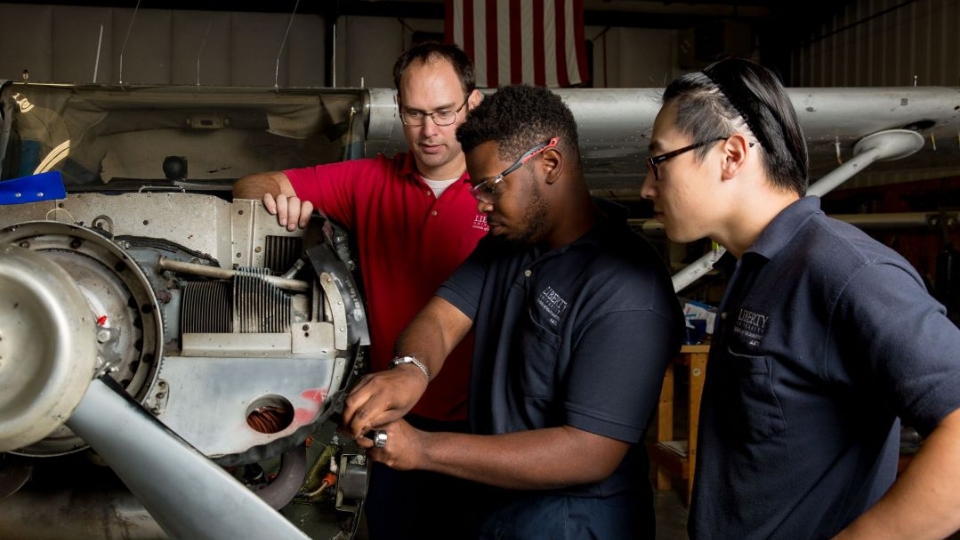
Aircraft maintenance requires specialized skills. Licensed aircraft maintenance engineers and technicians undergo rigorous training and certification to perform their duties.
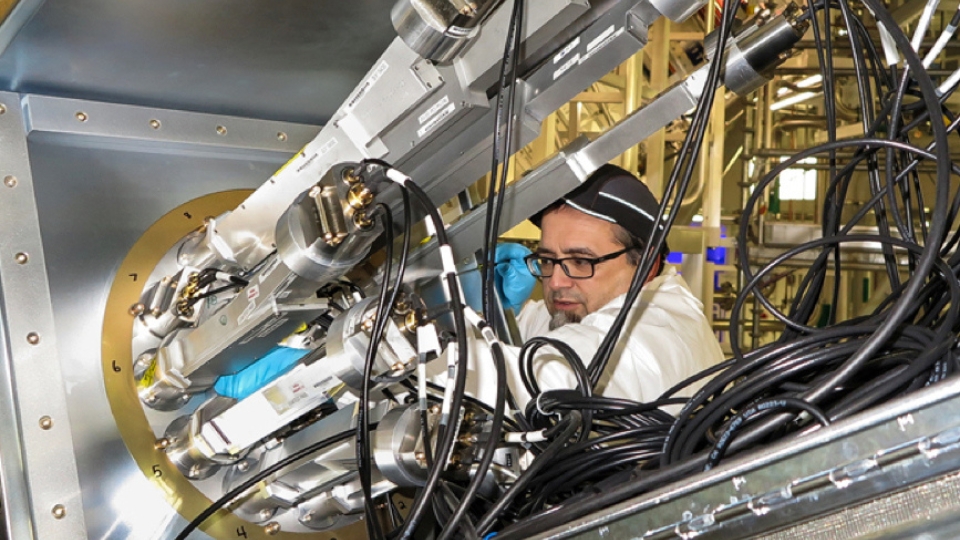
These professionals follow detailed manuals and checklists and use advanced diagnostic tools to ensure every system functions properly. Their expertise directly impacts flight safety by ensuring all maintenance work meets exacting standards.
Enhancing Pilot Confidence and Passenger Safety
Well-maintained aircraft inspire confidence. Pilots trust their planes to respond correctly under all conditions, from routine takeoffs to emergency maneuvers.
Passengers, too, benefit from the peace of mind that comes from flying on a meticulously maintained aircraft. Knowing that safety protocols and maintenance checks have been rigorously followed enhances overall travel confidence.
The Data Speaks: Maintenance Saves Lives
Statistical data from aviation safety organizations consistently shows a strong link between rigorous maintenance and low accident rates. Most aviation incidents trace back to mechanical failures that regular maintenance could have prevented.
The continuous improvement of maintenance procedures over decades has contributed significantly to making commercial aviation one of the safest modes of transportation.
The Global Impact of Aircraft Maintenance
In today’s interconnected world, aircraft travel across continents daily, making international safety standards crucial. Consistent global maintenance practices help prevent accidents worldwide and support the safe operation of a massive, complex global air transport network.
Future of Aircraft Maintenance: Predictive and Digital Technologies
Emerging technologies like predictive maintenance use sensors and AI to monitor aircraft health in real-time, predicting component failures before they happen.
Digital records and automated diagnostics enhance maintenance accuracy and efficiency, reducing downtime and further boosting safety.
Conclusion
Regular aircraft maintenance is far more than a regulatory requirement—it is a vital safety measure that saves lives. By preventing failures, ensuring compliance, and fostering confidence, meticulous maintenance keeps air travel one of the safest ways to journey around the world.