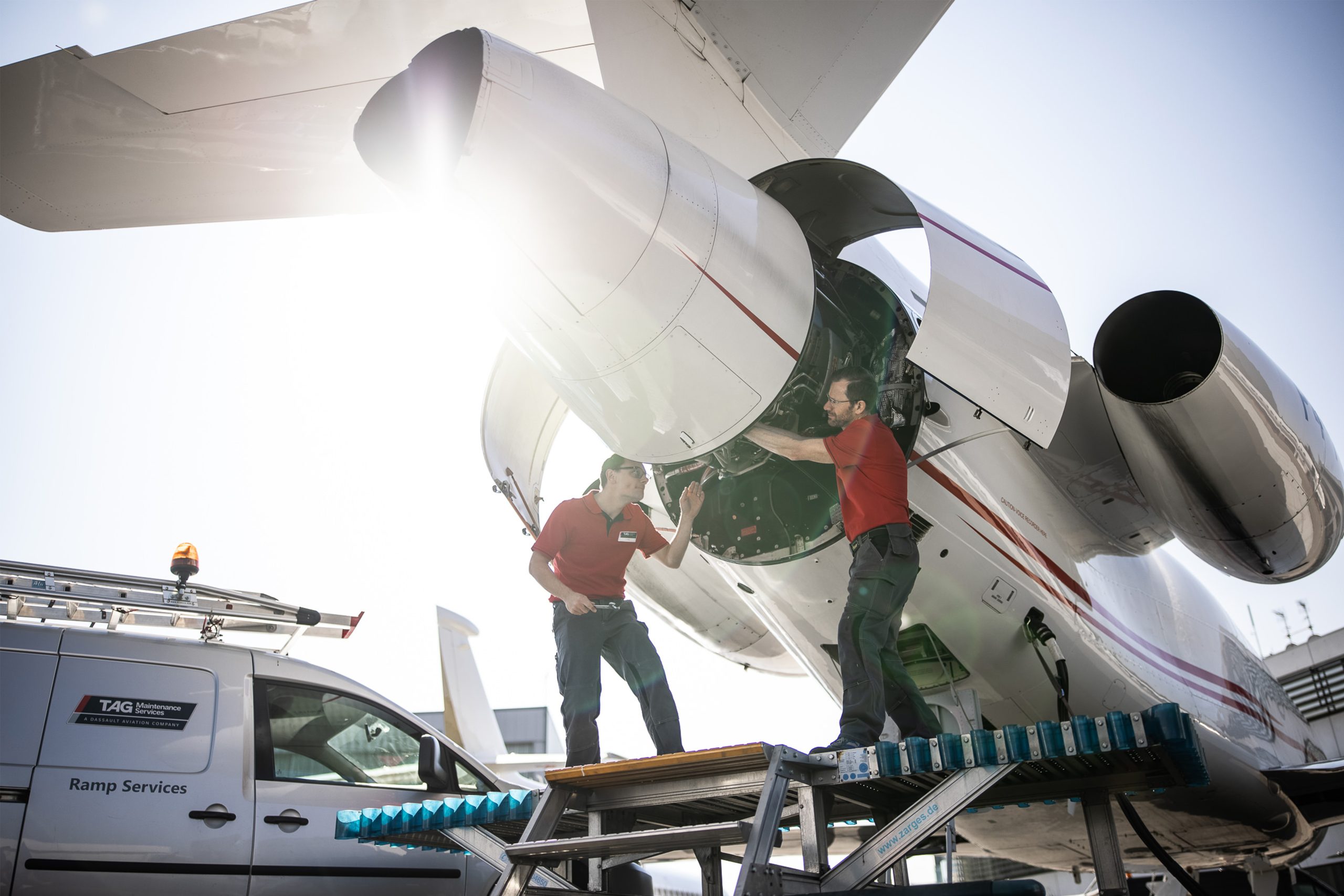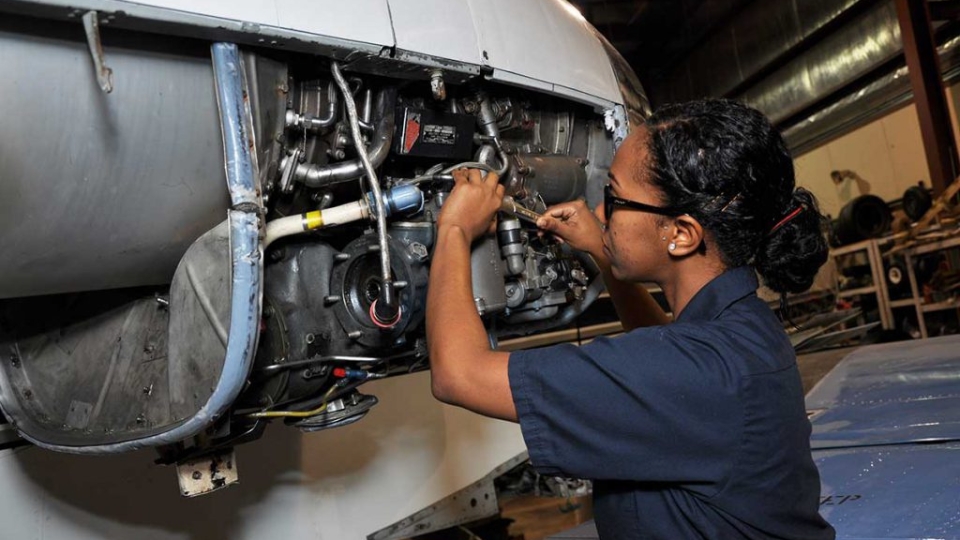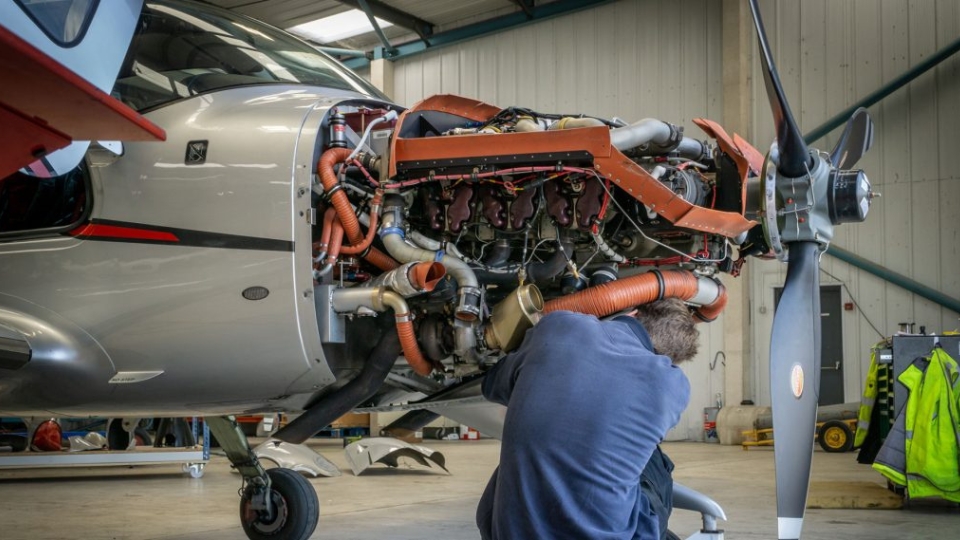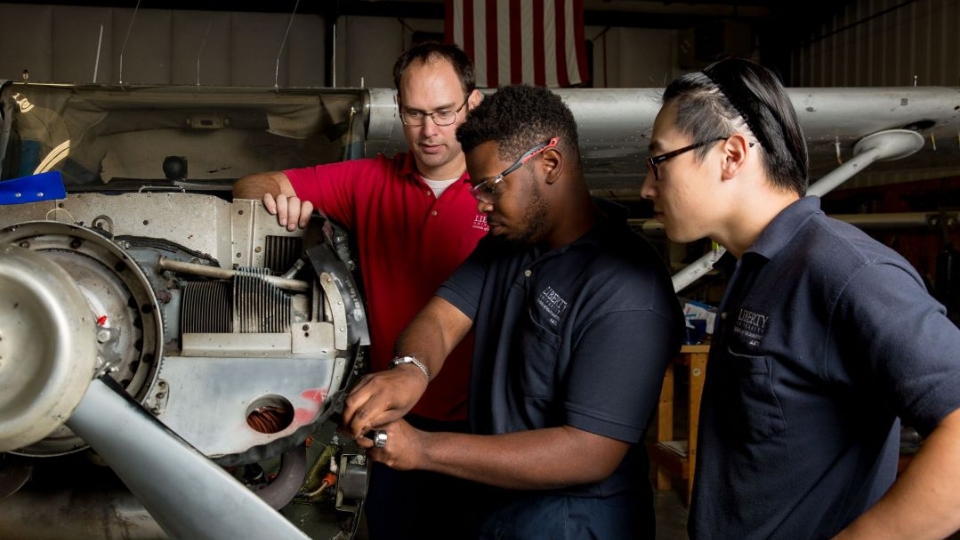
Preventive maintenance is the cornerstone of safe, efficient, and cost-effective equipment management. Whether you’re working with aircraft, heavy machinery, vehicles, or industrial systems, sticking to a proactive maintenance routine can prevent failures, reduce downtime, and extend the life of your assets.
Here are the top preventive maintenance steps every operator, technician, or fleet manager should implement to ensure optimal performance and safety.
Establish a Maintenance Schedule
The foundation of effective preventive maintenance is a structured, recurring schedule. This ensures all systems are inspected, serviced, or replaced before they fail.
Key actions:
- Follow the manufacturer’s recommended intervals
- Base schedules on operating hours, mileage, or flight cycles
- Use digital calendars or maintenance software to track due dates
- Build in time for both minor checks and major inspections
Consistency prevents small problems from turning into costly repairs.
Perform Regular Visual Inspections
Visual checks can catch early signs of wear, leaks, or damage that automated systems may miss.
Inspect for:
- Fluid leaks under equipment or aircraft
- Frayed belts, hoses, or wiring
- Loose bolts, brackets, or fasteners
- Surface corrosion or unusual wear
Train operators to perform visual inspections as part of pre-use routines.
Monitor and Top Off Fluids
Proper fluid levels are critical for engine health, cooling, hydraulics, and braking systems.
Common fluids to check:
- Engine oil
- Coolant
- Hydraulic fluid
- Brake and transmission fluids
- Aircraft de-icing or fuel additives (where applicable)
Use clean containers and avoid overfilling. Track consumption rates to detect leaks or inefficiencies.
Lubricate Moving Parts
Lubrication reduces friction and wear in bearings, joints, actuators, and linkages. Over time, unlubricated components can seize or break.
Lubrication tips:
- Use manufacturer-approved grease or oil
- Clean fittings before applying lubricant
- Avoid mixing incompatible lubricants
- Create a lubrication schedule for all critical points
Proper lubrication can significantly extend the lifespan of high-wear parts.
Test Critical Systems and Controls
Routine functional testing ensures vital systems perform reliably under real-world conditions.
Systems to test:
- Electrical and ignition systems
- Emergency brakes and backup systems
- Lighting, sensors, alarms
- Flight controls or steering mechanisms
- Pressure and temperature indicators
Regular testing catches faults before they become failures.
Replace Worn or Life-Limited Parts
Some parts are designed to be replaced after a certain usage threshold, regardless of their visible condition.
Examples include:
- Spark plugs
- Filters (oil, fuel, air, hydraulic)
- Tires or brake pads
- Timing belts or rotors
- Aircraft components with time-limited service lives
Track hours, miles, or cycles for each part and replace accordingly.
Clean Equipment and Components
Clean systems run cooler, last longer, and are easier to inspect. Dirt and debris can also trap moisture and accelerate corrosion.
Cleaning tasks to schedule:
- Exterior washdowns
- Air filter and intake cleaning
- Interior wipe-down and disinfecting
- Degreasing of engine and mechanical areas
Include cleaning in your maintenance workflow, not just cosmetic upkeep.
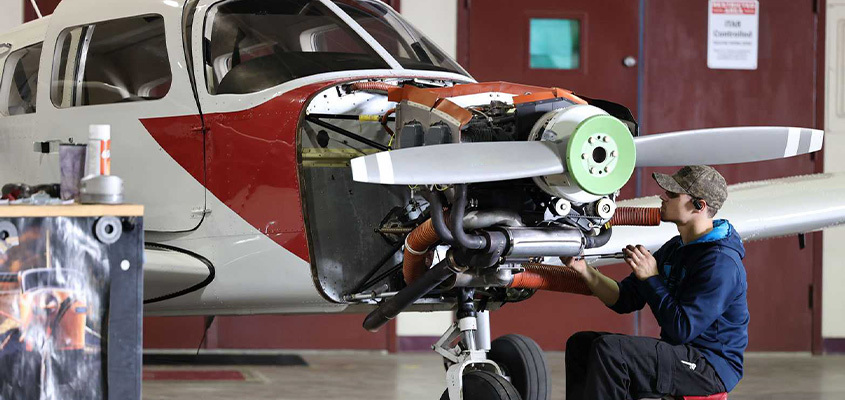
Top Preventive Maintenance Steps
Review Logs and Maintenance Records
Maintenance logs provide vital insight into trends, recurring issues, or missed steps.
Make it a habit to:
- Review past repairs for patterns
- Confirm all scheduled work was completed
- Update logs immediately after each service
- Store records in a secure, accessible format
Accurate documentation supports compliance and asset value.
Use Diagnostic Tools and Condition Monitoring
Modern equipment often includes built-in sensors and interfaces for monitoring performance and health.
Common diagnostics include:
- Engine control modules (ECM) data
- Vibration analysis
- Oil sampling and fluid analysis
- Temperature or pressure trending
- Aircraft onboard diagnostic systems
Using real-time data helps anticipate problems and optimize service intervals.
Train Personnel on Maintenance Protocols
Even the best preventive maintenance plan fails if your team doesn’t understand or follow it.
Invest in:
- Regular training on maintenance procedures
- Safety and compliance education
- Standard operating procedures (SOPs) for each task
- Cross-training to ensure coverage
Skilled personnel reduce errors, improve quality, and support reliability.
Keep Spare Parts and Tools Ready
Unplanned downtime often occurs because parts aren’t on hand when needed. Keep your inventory lean but ready.
Stock essential items like:
- Filters and fluids
- Fuses, bulbs, and belts
- Common fasteners and tools
- Emergency repair kits
A small inventory of critical items can reduce response time during maintenance events.
Conclusion
The most successful operations don’t wait for things to break. They follow a smart, structured maintenance strategy that prioritizes prevention over reaction. By following these top preventive maintenance steps, you reduce costs, improve reliability, and protect your equipment — whether it’s on the ground or in the air.
Would you like a customizable preventive maintenance checklist template or help setting up a digital schedule for your team? Just let me know.