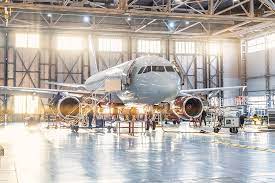
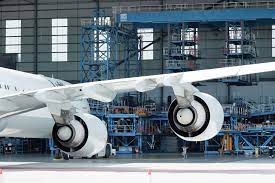
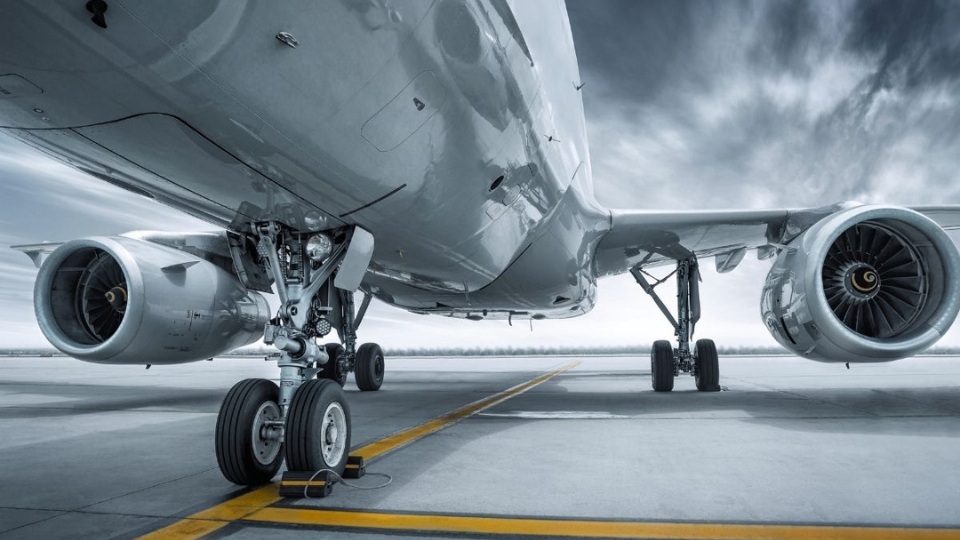
Predictive maintenance is revolutionizing how airlines maintain aircraft. Instead of waiting for problems to occur, predictive maintenance uses data and analytics to anticipate issues before they affect safety or operations. This proactive approach enhances flight reliability, reduces downtime, and lowers maintenance costs, making it a crucial part of modern aviation.
What Is Predictive Maintenance?
Predictive maintenance involves monitoring aircraft systems in real time using sensors and data analysis. These systems track engines, hydraulics, avionics, and structural components. By analyzing patterns and trends, maintenance teams can predict potential failures.
This approach differs from traditional maintenance, which relies on fixed schedules or reactive repairs. Predictive maintenance allows technicians to act before small issues turn into serious problems, improving safety and operational efficiency.
How Predictive Maintenance Works
Aircraft are equipped with sensors that collect data during every flight. Parameters such as engine temperature, vibration, fuel efficiency, and hydraulic pressure are constantly monitored.
Advanced software analyzes this data using machine learning and artificial intelligence. It identifies anomalies, predicts component wear, and forecasts maintenance needs. Maintenance teams receive alerts with precise instructions on when and what to repair.
Benefits of Predictive Maintenance
Enhanced Safety
Predictive maintenance improves safety by identifying potential failures before they occur. Detecting issues early prevents in-flight malfunctions, reducing the risk of accidents.
Reduced Downtime
By planning repairs in advance, airlines can schedule maintenance during off-peak hours or between flights. This minimizes aircraft downtime and keeps operations running smoothly.
Cost Efficiency
Predictive maintenance helps control costs by preventing major repairs and reducing unnecessary inspections. Airlines save money on parts, labor, and lost revenue from grounded planes.
Improved Aircraft Lifespan
Proactive maintenance extends the life of engines, structural components, and avionics. Aircraft that are maintained based on actual condition, rather than fixed schedules, experience less wear and tear.
Real-World Applications
Leading airlines and manufacturers are implementing predictive maintenance systems. For example, Boeing’s Airplane Health Management system continuously monitors aircraft and predicts maintenance requirements. Similarly, Airbus uses Skywise, a data analytics platform, to optimize fleet maintenance.
Even regional and smaller operators are adopting predictive tools. Sensors and cloud-based analytics provide actionable insights, making predictive maintenance accessible to a wide range of aviation operators.
Challenges in Implementation
Despite its advantages, predictive maintenance faces challenges. Collecting and analyzing vast amounts of data requires sophisticated software and trained personnel. Integrating new systems into older aircraft can also be complex.
Data security is another concern. Airlines must protect sensitive operational data while ensuring seamless communication between aircraft and ground teams.
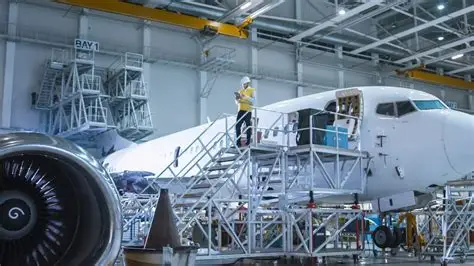
Predictive Maintenance in Modern Aviation
The Future of Predictive Maintenance
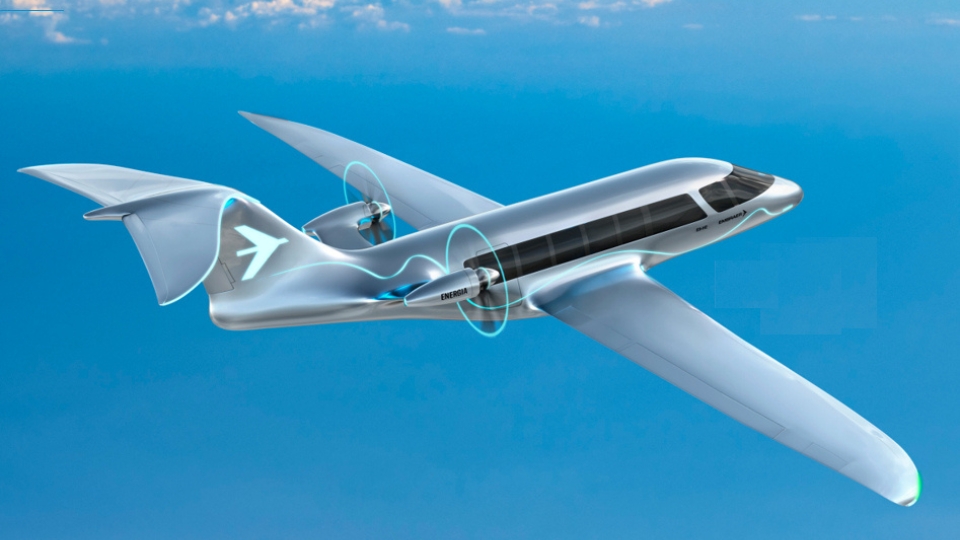
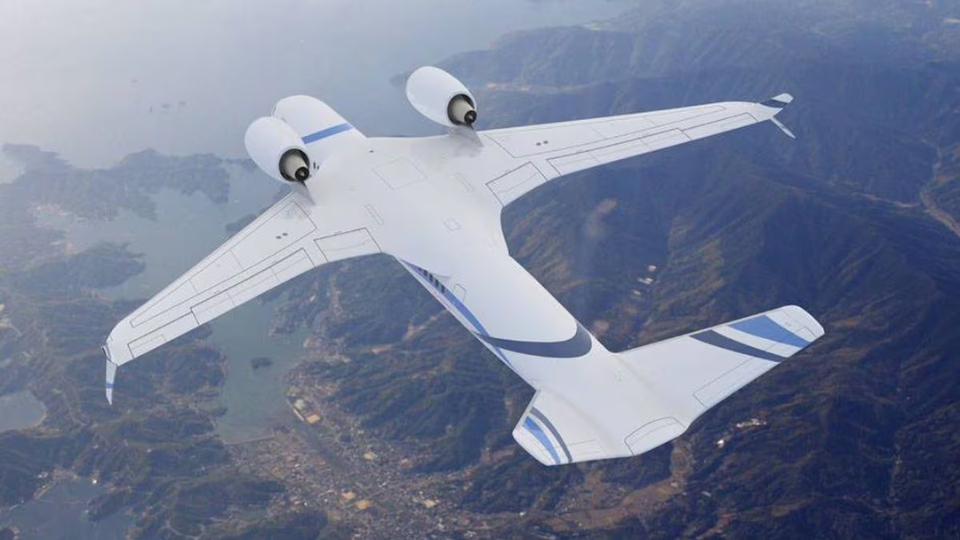
The future will see more advanced predictive systems using artificial intelligence, machine learning, and IoT devices. These tools will allow even more precise maintenance planning, further reducing costs and improving safety.
Predictive maintenance is likely to become the industry standard, with most airlines adopting data-driven approaches to aircraft upkeep. As technology evolves, predictive analytics will play a key role in achieving more reliable and sustainable aviation.
Conclusion
Predictive maintenance is transforming aviation by enabling proactive, data-driven maintenance strategies. It enhances safety, reduces downtime, saves costs, and extends aircraft lifespan. As airlines increasingly adopt predictive technologies, modern aviation will become more efficient, reliable, and safe for passengers and operators alike.