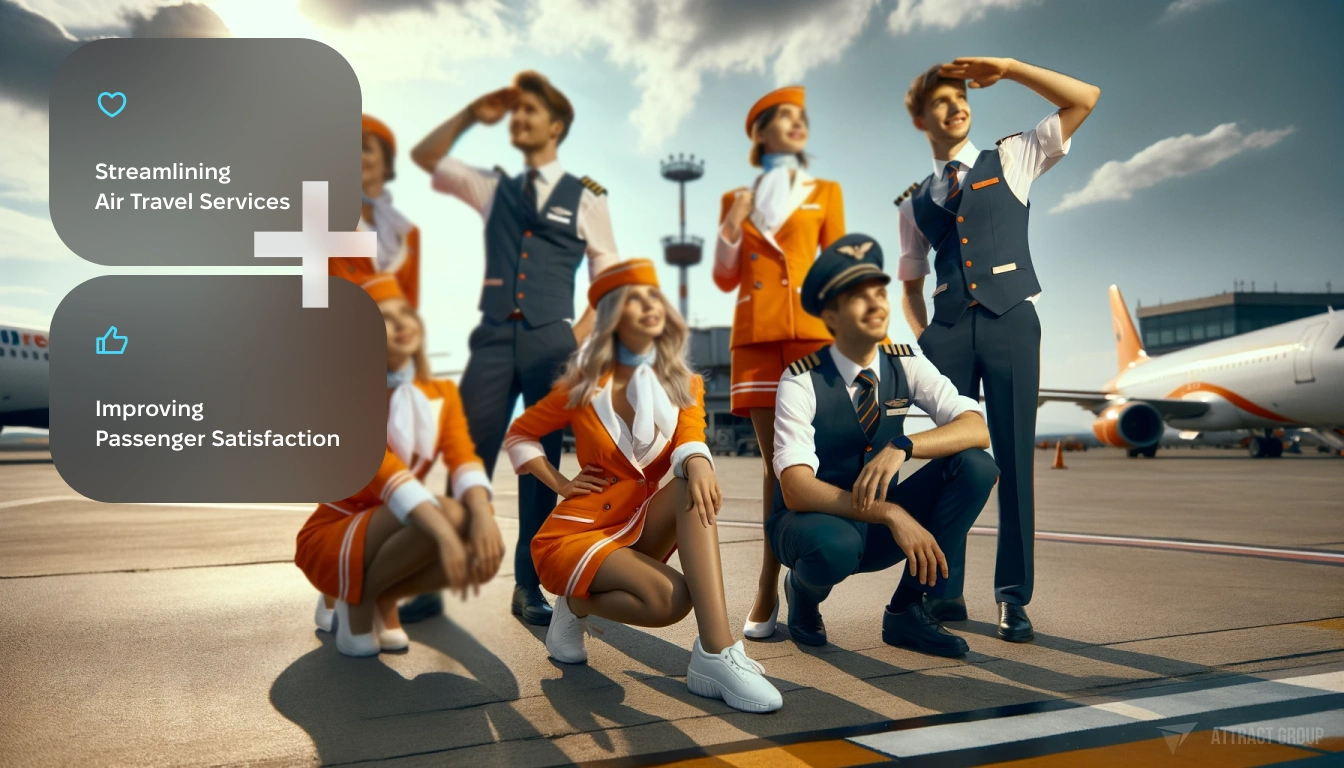
Airlines are constantly evolving to meet passenger expectations and improve the travel experience. From seating comfort to in-flight entertainment and personalized services, carriers are investing in innovative solutions. Enhancing passenger experience not only increases customer satisfaction but also strengthens airline loyalty in a competitive market.
Comfortable Seating and Cabin Design
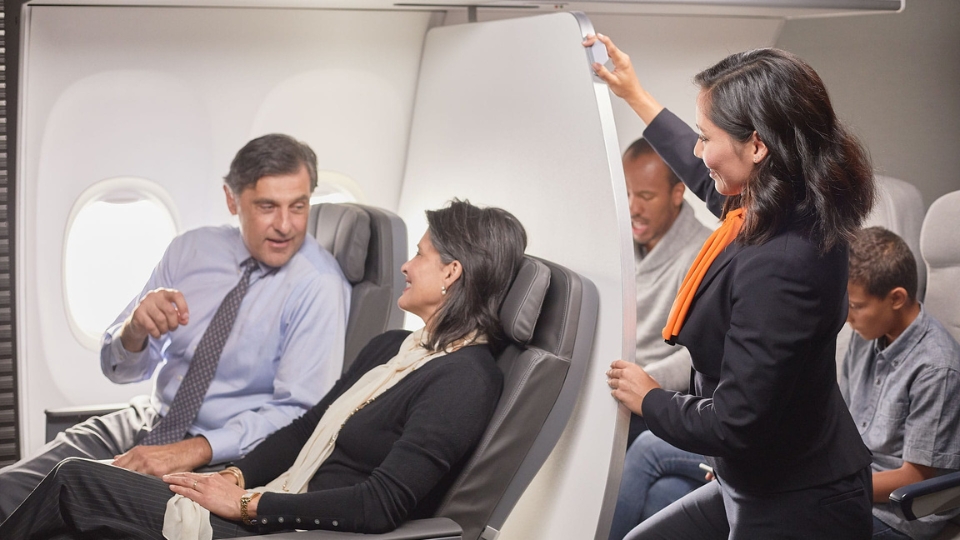
Passenger comfort begins with seating. Airlines are redesigning cabins to provide more legroom, ergonomic seats, and adjustable features.
Premium economy and business class cabins offer additional space, lie-flat seats, and privacy partitions. Even in economy class, innovations such as slimline seats and improved cushioning enhance comfort during long flights. Cabin layout and lighting are also optimized to reduce fatigue and improve the overall atmosphere.
In-Flight Entertainment and Connectivity
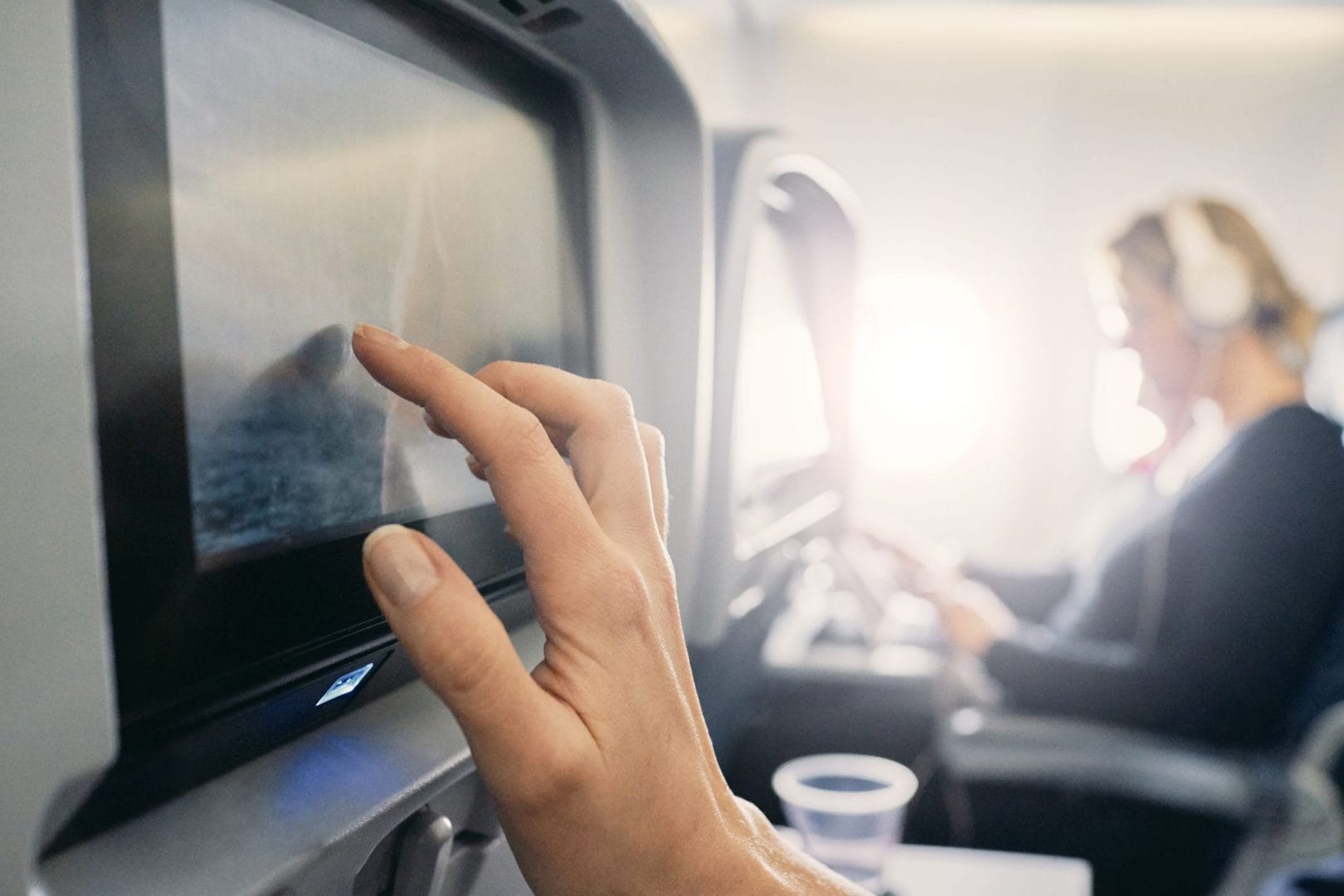
Modern passengers expect access to entertainment and connectivity. Airlines provide personal screens with movies, TV shows, music, and games.
Wi-Fi availability allows travelers to stay connected, work, or stream content. Some airlines offer live TV, interactive apps, and virtual reality experiences. Enhanced entertainment options keep passengers engaged and make flights feel shorter and more enjoyable.
Personalized Services
Airlines are increasingly focusing on personalization. Using data from bookings, loyalty programs, and past travel behavior, carriers tailor services to individual passengers.
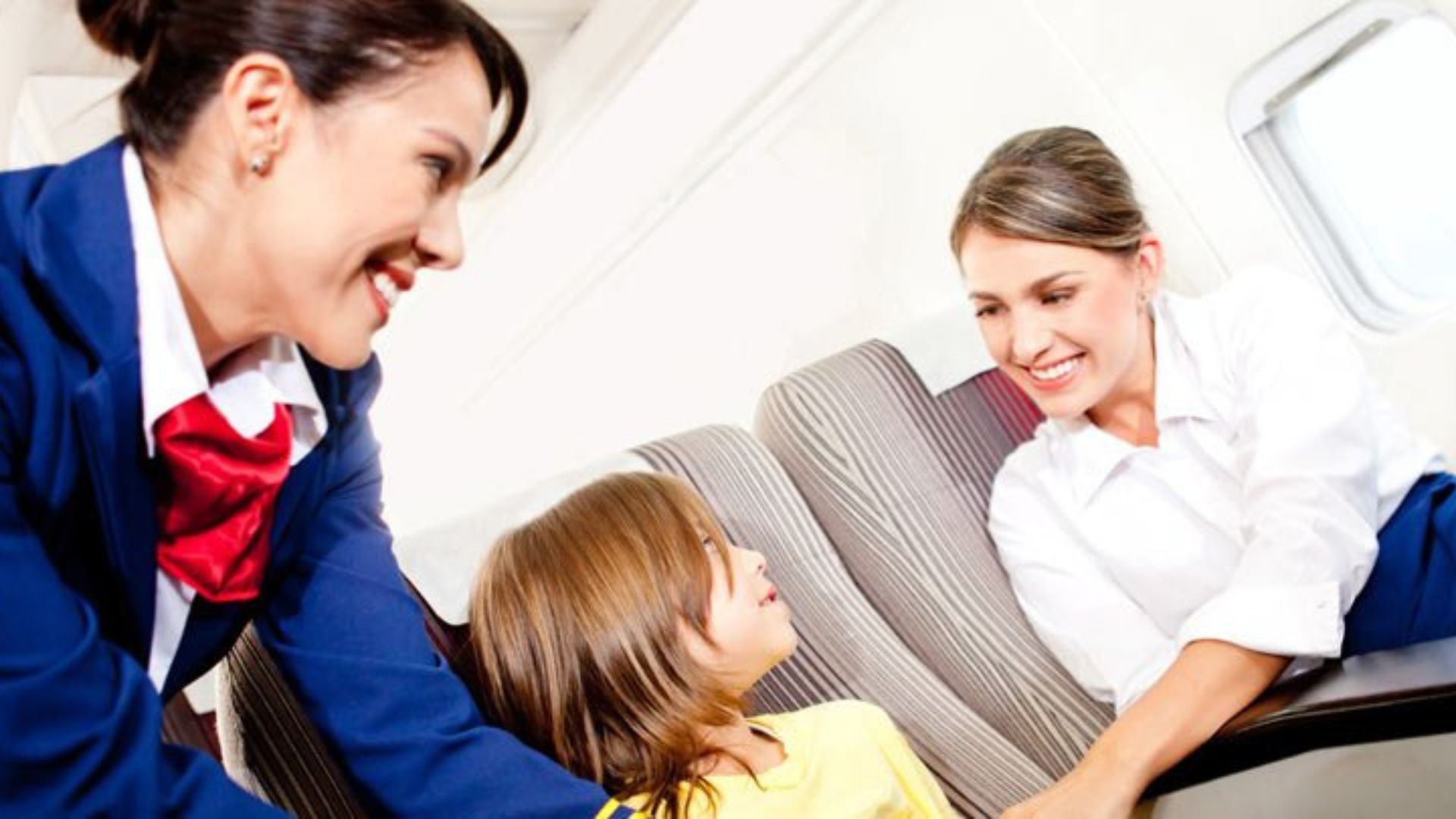
Examples include personalized meal options, customized in-flight entertainment suggestions, and targeted promotions. Cabin crew are trained to address specific passenger needs, improving satisfaction and creating a more welcoming environment.
Efficient Check-In and Boarding
Technology has streamlined check-in and boarding processes. Mobile apps, self-service kiosks, and automated bag drops reduce wait times and simplify airport navigation.
Some airlines offer biometric boarding and real-time notifications, allowing passengers to move through the airport quickly and with minimal stress. Efficient processes contribute significantly to a positive travel experience.
Onboard Dining and Wellness Options
Meal quality and variety impact passenger comfort, especially on long-haul flights. Airlines now provide healthier meal options, catering to dietary preferences such as vegan, gluten-free, or low-calorie meals.
Wellness initiatives, including cabin lighting adjustments to reduce jet lag, in-flight exercise guidance, and air quality monitoring, also contribute to passenger well-being.
Customer Service and Support
Excellent customer service is central to passenger satisfaction. Airlines invest in training staff to handle inquiries, provide assistance, and resolve issues efficiently.
Digital tools, such as chatbots, mobile apps, and AI-powered support, allow passengers to get help quickly. Responsive and empathetic service improves trust and loyalty.

How Airlines Are Improving Passenger Experience
Sustainability and Passenger Awareness
Passengers increasingly value environmentally responsible travel. Airlines are improving passenger experience by promoting sustainable practices, such as reducing single-use plastics, offering carbon offset programs, and using more fuel-efficient aircraft.
Highlighting these initiatives allows passengers to feel they are contributing to sustainable travel, enhancing their overall satisfaction.
Conclusion
Airlines are improving passenger experience through comfort, entertainment, personalized services, efficient operations, wellness initiatives, and sustainability efforts. By combining innovative technology with attentive service, carriers enhance travel enjoyment and build long-term loyalty. In an industry where competition is fierce, prioritizing passenger experience is key to success and customer retention.