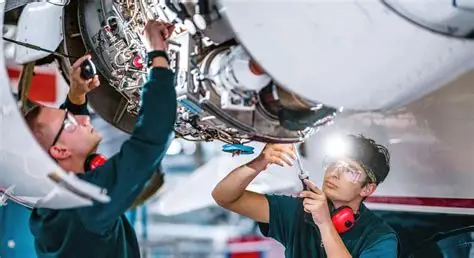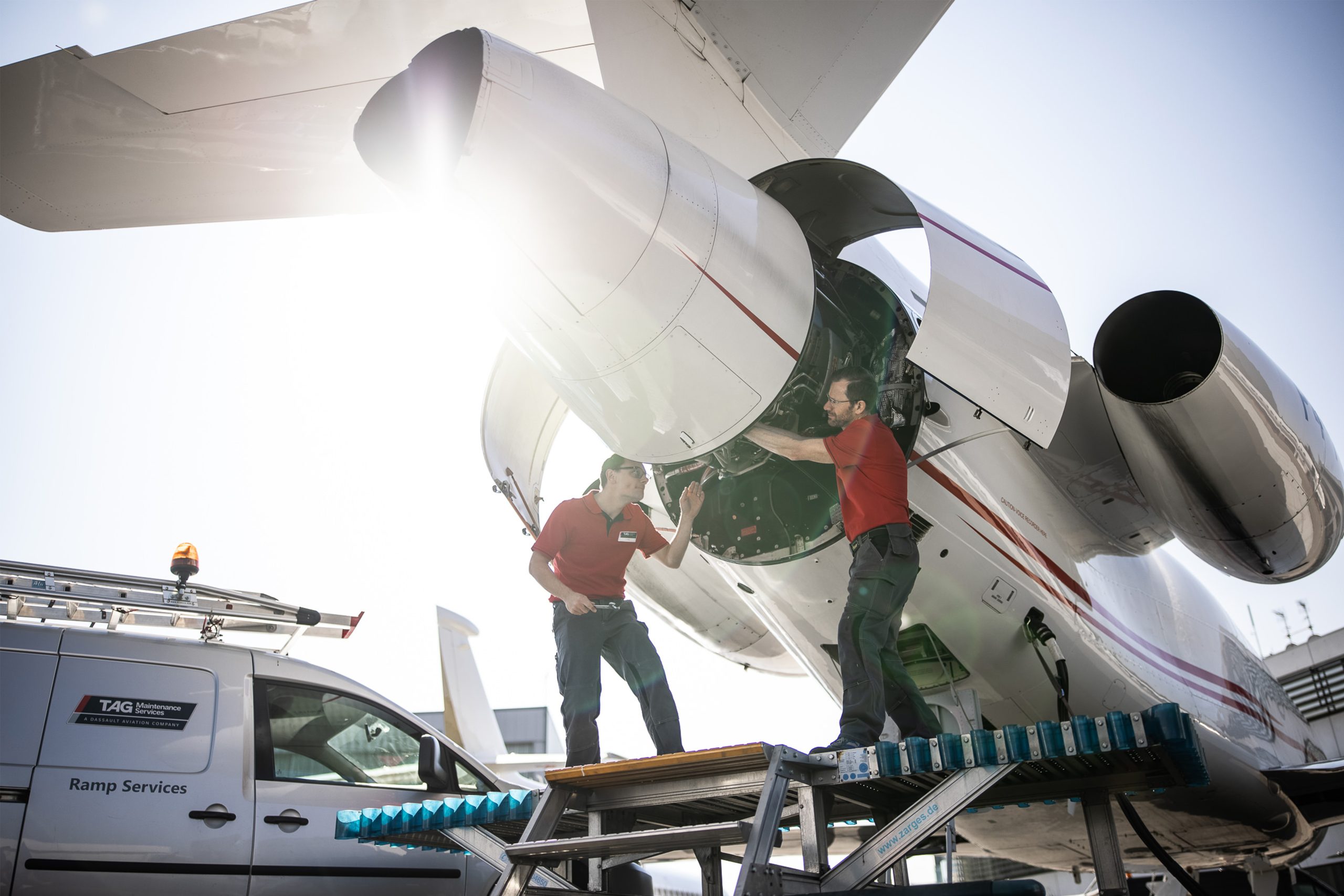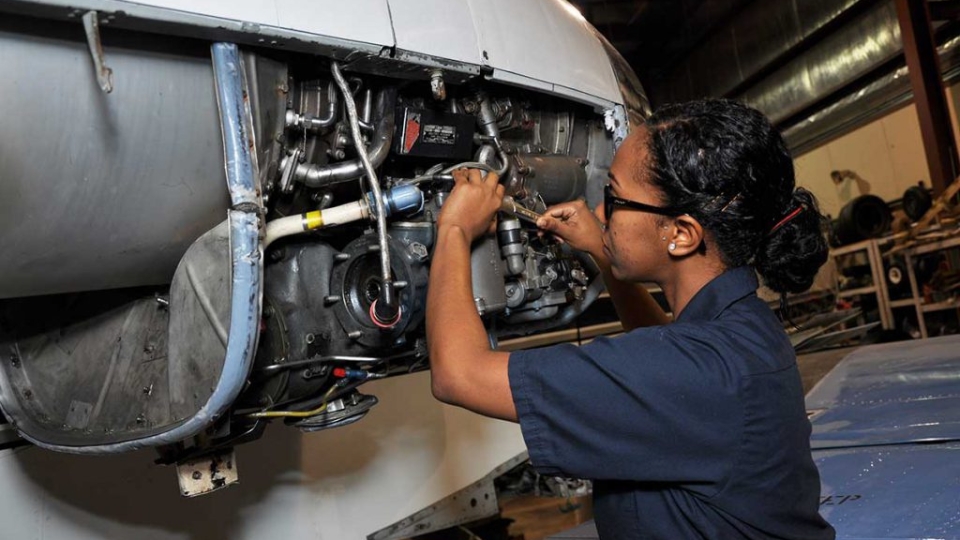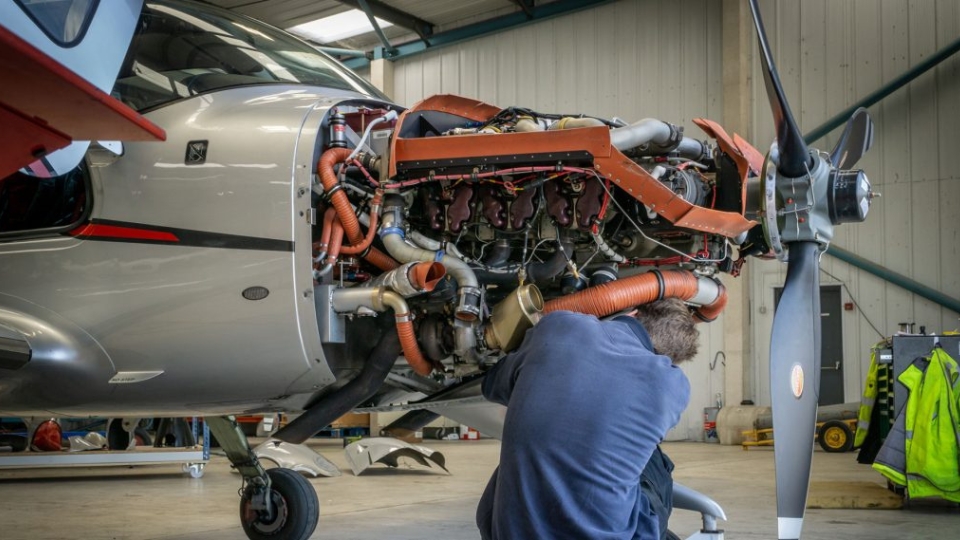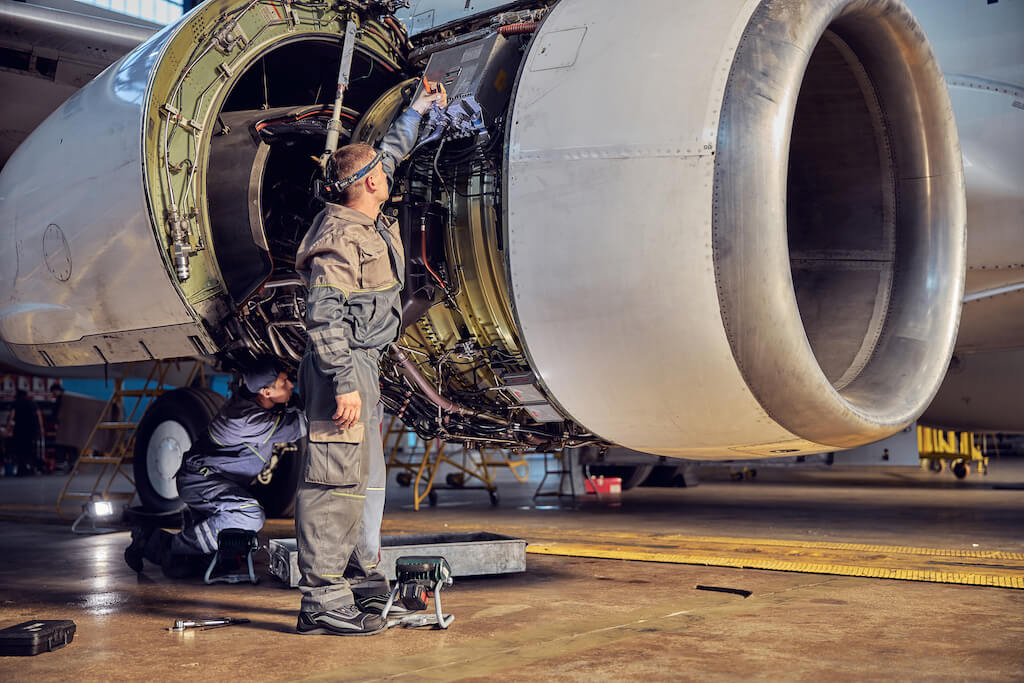
Ensuring aircraft are safe and operational is a top priority for airlines worldwide. Preventive maintenance keeps fleets airworthy by addressing potential issues before they become critical, reducing downtime, and improving overall flight reliability. With regular inspections and systematic care, airlines can maintain high safety standards while optimizing operational efficiency.
Preventive maintenance keeps fleets airworthy
Understanding Preventive Maintenance
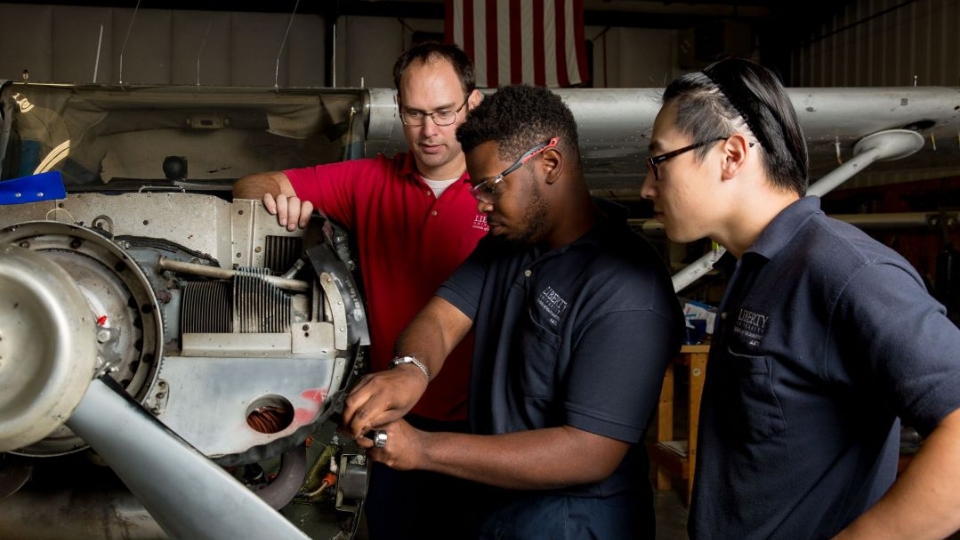
Preventive maintenance involves scheduled inspections, routine servicing, and component replacements to avoid unexpected failures. Unlike reactive maintenance, which addresses problems after they occur, preventive measures aim to identify and correct issues early. This approach enhances safety, extends aircraft lifespan, and reduces operational disruptions.
Example:
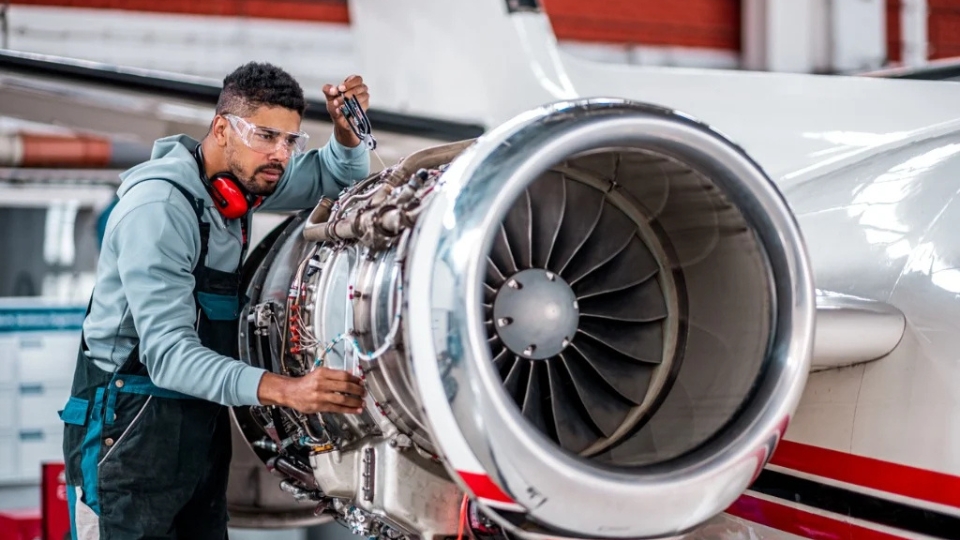
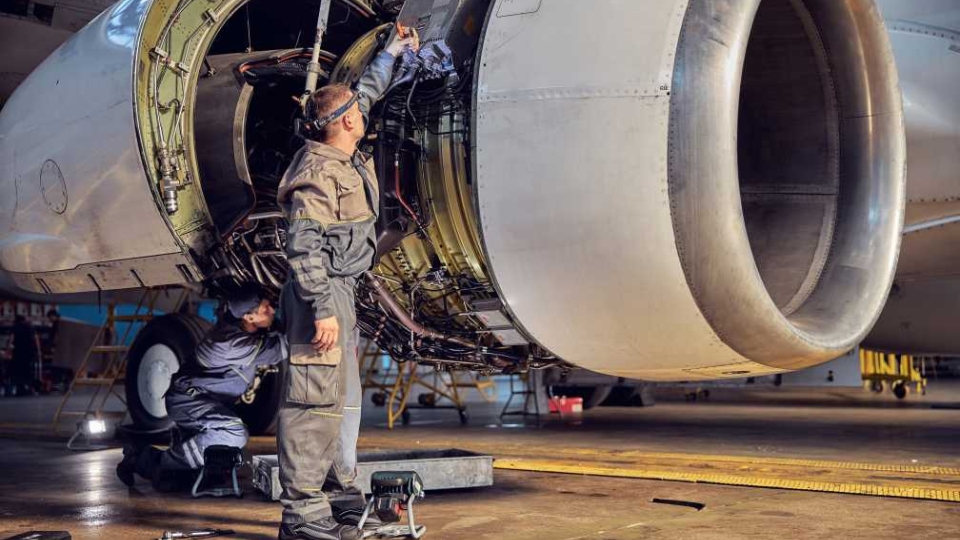
A commercial jet undergoes regular checks on engines, hydraulics, and avionics, allowing maintenance teams to replace worn components before they fail mid-flight.
Enhancing Fleet Reliability
Regular preventive maintenance ensures that all aircraft in a fleet remain airworthy and operational. By systematically checking critical systems, airlines can reduce delays and cancellations caused by technical problems. This reliability improves passenger satisfaction and boosts airline credibility.
Example:
An airline with a fleet of 50 aircraft can maintain its flight schedule efficiently because preventive maintenance reduces the likelihood of last-minute aircraft grounding.
Cost Savings and Operational Efficiency
Investing in preventive maintenance reduces long-term costs. Early detection of potential issues prevents expensive repairs, unplanned downtime, and emergency landings. Efficient maintenance schedules also allow airlines to optimize crew and aircraft utilization, maximizing operational performance.
Example:
Replacing a worn turbine blade during routine maintenance is far cheaper than addressing engine failure mid-flight, which could involve costly towing, repairs, and passenger compensation.
Safety as a Priority
The primary benefit of preventive maintenance is safety. Aircraft are complex machines, and even minor malfunctions can pose serious risks. By maintaining engines, flight controls, landing gear, and avionics, airlines ensure that each flight meets rigorous safety standards.
Example:
Scheduled inspections of landing gear systems help prevent malfunctions during takeoff and landing, protecting passengers and crew.
Supporting Regulatory Compliance
Aviation authorities require airlines to follow strict maintenance protocols. Preventive maintenance ensures compliance with these regulations, avoiding penalties and grounding. Meeting regulatory standards also reassures passengers that the airline prioritizes their safety and reliability.
Example:
Airlines performing preventive inspections in accordance with FAA or EASA guidelines demonstrate adherence to international safety standards.
Technological Advancements in Maintenance
Modern technology enhances preventive maintenance practices. Sensors, AI analytics, and predictive software monitor aircraft systems in real-time, alerting maintenance teams to potential issues before they affect flight operations. These innovations improve accuracy, reduce manual labor, and make preventive measures more efficient.
Example:
AI-powered diagnostics can detect unusual engine vibrations and schedule maintenance proactively, preventing delays and costly repairs.
Conclusion
Preventive maintenance keeps fleets airworthy by combining regular inspections, system monitoring, and proactive repairs. This approach enhances flight safety, reduces operational disruptions, and lowers long-term costs. Airlines that prioritize preventive maintenance maintain reliable fleets, comply with regulations, and offer passengers a safer, more dependable travel experience. In an industry where trust and punctuality are paramount, preventive maintenance is essential for keeping aircraft ready to fly at all times.