Keeping an aircraft airworthy is not just a legal requirement — it’s a matter of safety, performance, and operational reliability. Whether you operate a private plane, manage a fleet, or maintain aircraft professionally, understanding how to keep aircraft airworthy is essential for flight readiness and compliance with aviation authorities.
This guide outlines the key steps and best practices that ensure your aircraft remains safe, serviceable, and legally fit to fly.
Understand the Definition of Airworthiness
Airworthiness means the aircraft conforms to its type design and is in a condition for safe operation. This includes:
-
Meeting all maintenance and inspection requirements
-
Operating systems and equipment functioning properly
-
No unaddressed damage or defects
-
Required documents and certifications up to date
Regulatory bodies such as the FAA, EASA, or your local civil aviation authority define specific criteria for airworthiness. It’s your responsibility to stay in compliance at all times.
Perform Scheduled Inspections
Routine inspections are one of the most important ways to keep aircraft airworthy. These checks are required at specific time intervals based on flight hours, calendar time, or usage cycles.
Common inspection types:
-
Pre-flight inspection (pilot responsibility): Walkaround to check fuel, tires, controls, and surfaces
-
100-hour inspection (for rental or commercial aircraft)
-
Annual inspection (required for all U.S.-registered aircraft)
-
Progressive or phase inspections (used by fleet operators)
-
Special inspections (after hard landings, lightning strikes, etc.)
Always document inspections in the aircraft maintenance log and address any discrepancies before flight.
Stay Current with Maintenance Requirements
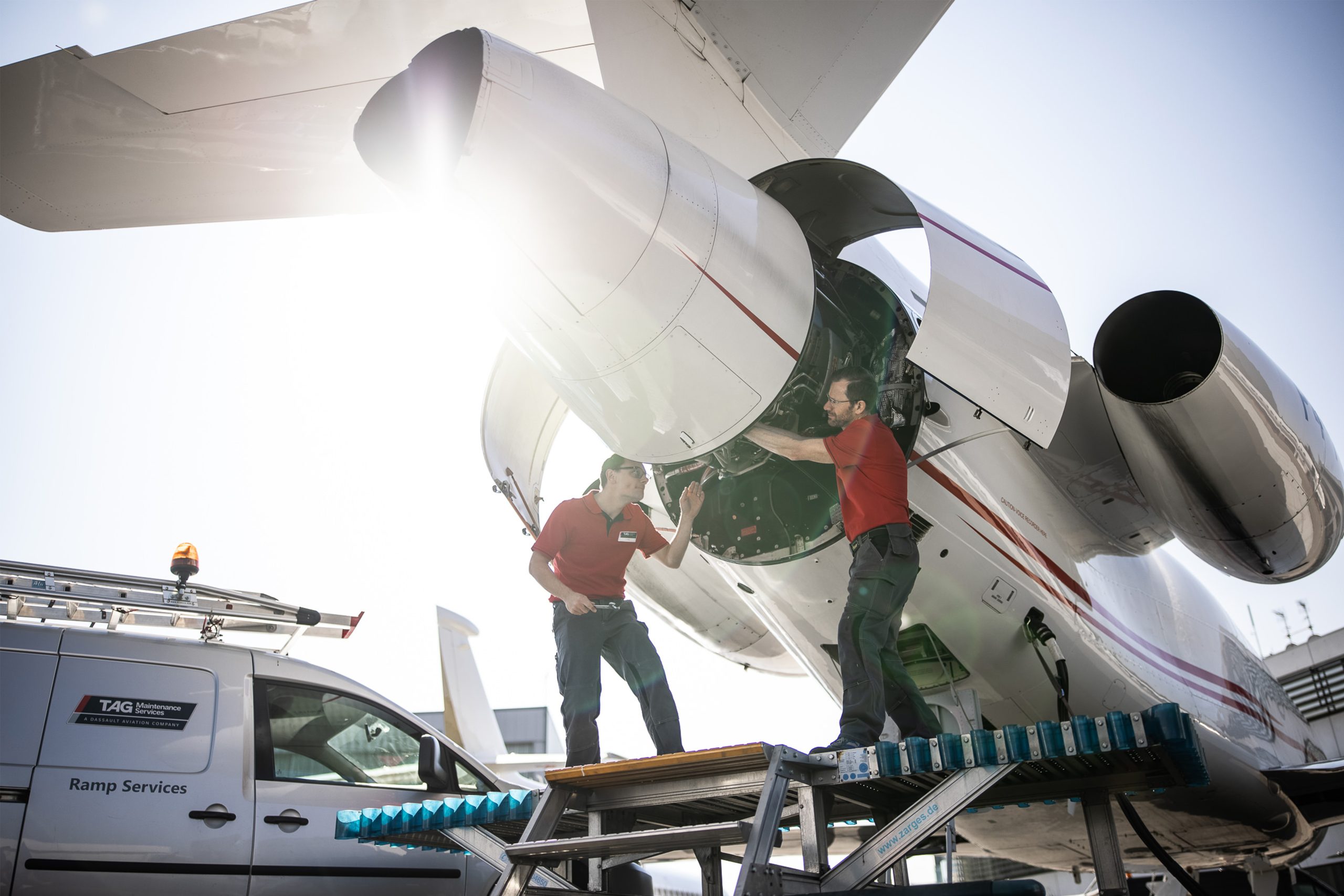
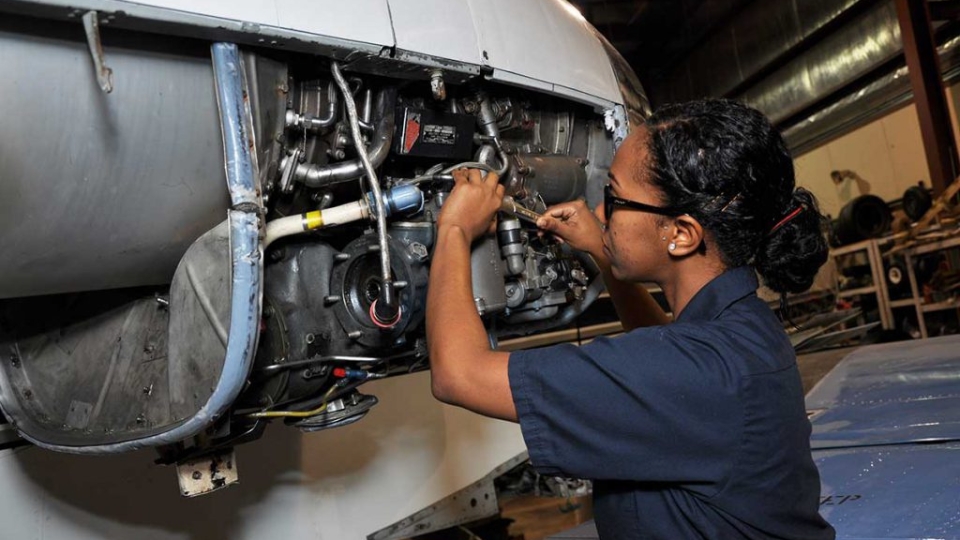
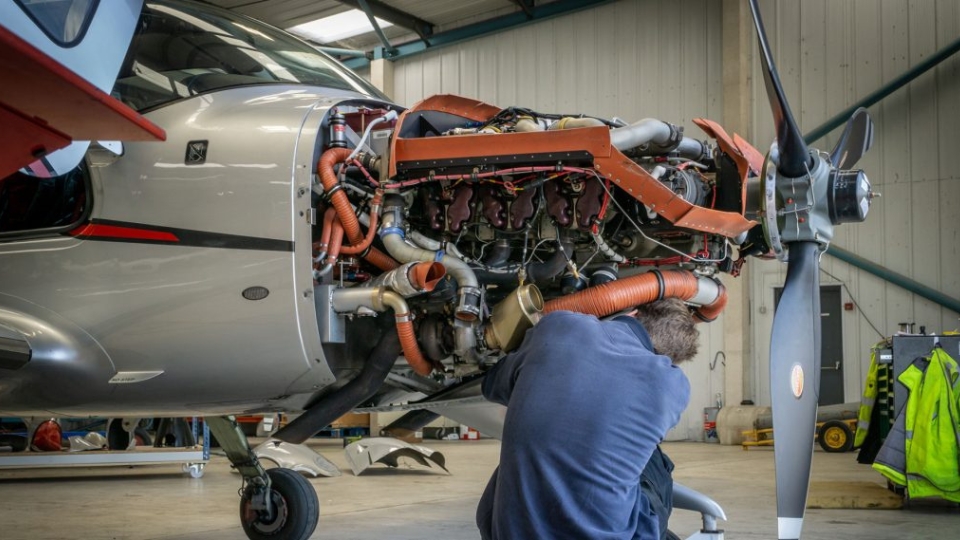
Preventive maintenance and corrective actions must be performed on schedule to ensure systems stay in optimal condition. Use your aircraft’s maintenance manual or manufacturer’s recommendations as your baseline.
Key maintenance tasks include:
-
Engine oil and filter changes
-
Brake pad and tire replacement
-
Propeller and control surface inspections
-
Avionics and instrument calibration
-
Battery checks and replacement
-
Corrosion treatment and cleaning
Unscheduled maintenance should be addressed promptly to prevent further damage and loss of airworthiness.
Comply with Airworthiness Directives (ADs)
Airworthiness Directives are legally enforceable rules issued by aviation authorities when a safety issue is discovered in a particular aircraft type, engine, propeller, or component.
To maintain airworthiness, you must:
-
Monitor ADs relevant to your aircraft model
-
Perform required actions by the specified compliance dates
-
Log completion of ADs in the maintenance records
Failure to comply with an AD automatically makes the aircraft unairworthy.
Keep Accurate and Complete Documentation
Proper recordkeeping proves that all maintenance, inspections, and directives have been completed. It’s also essential for resale, audits, and continued legal operation.
Your aircraft must have:
-
Airworthiness Certificate
-
Registration Certificate
-
Operating Handbook or POH
-
Weight and Balance data
-
Maintenance logbooks (airframe, engine, propeller)
-
Current list of complied Airworthiness Directives
Ensure all documents are accessible and updated after every service or inspection.
Use Certified Parts and Licensed Personnel
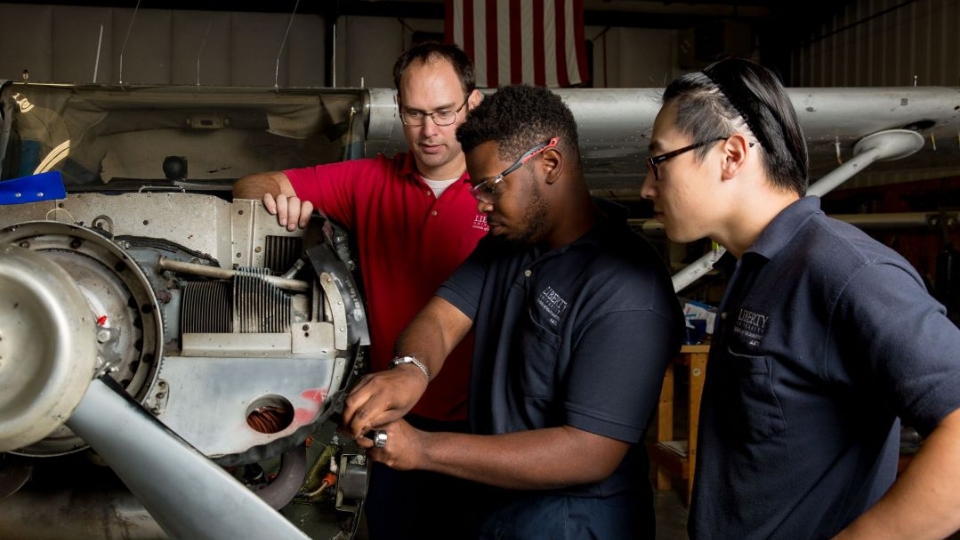
Only certified aviation parts and licensed mechanics (A&P, AME, LAME, etc.) should perform maintenance, especially tasks beyond basic preventive checks.
Guidelines to follow:
-
Install only FAA- or EASA-approved parts
-
Use licensed professionals for major repairs or inspections
-
Log technician license numbers in all maintenance entries
-
Avoid using undocumented or salvaged parts without traceability
Using unapproved components or unauthorized maintenance renders the aircraft unairworthy.
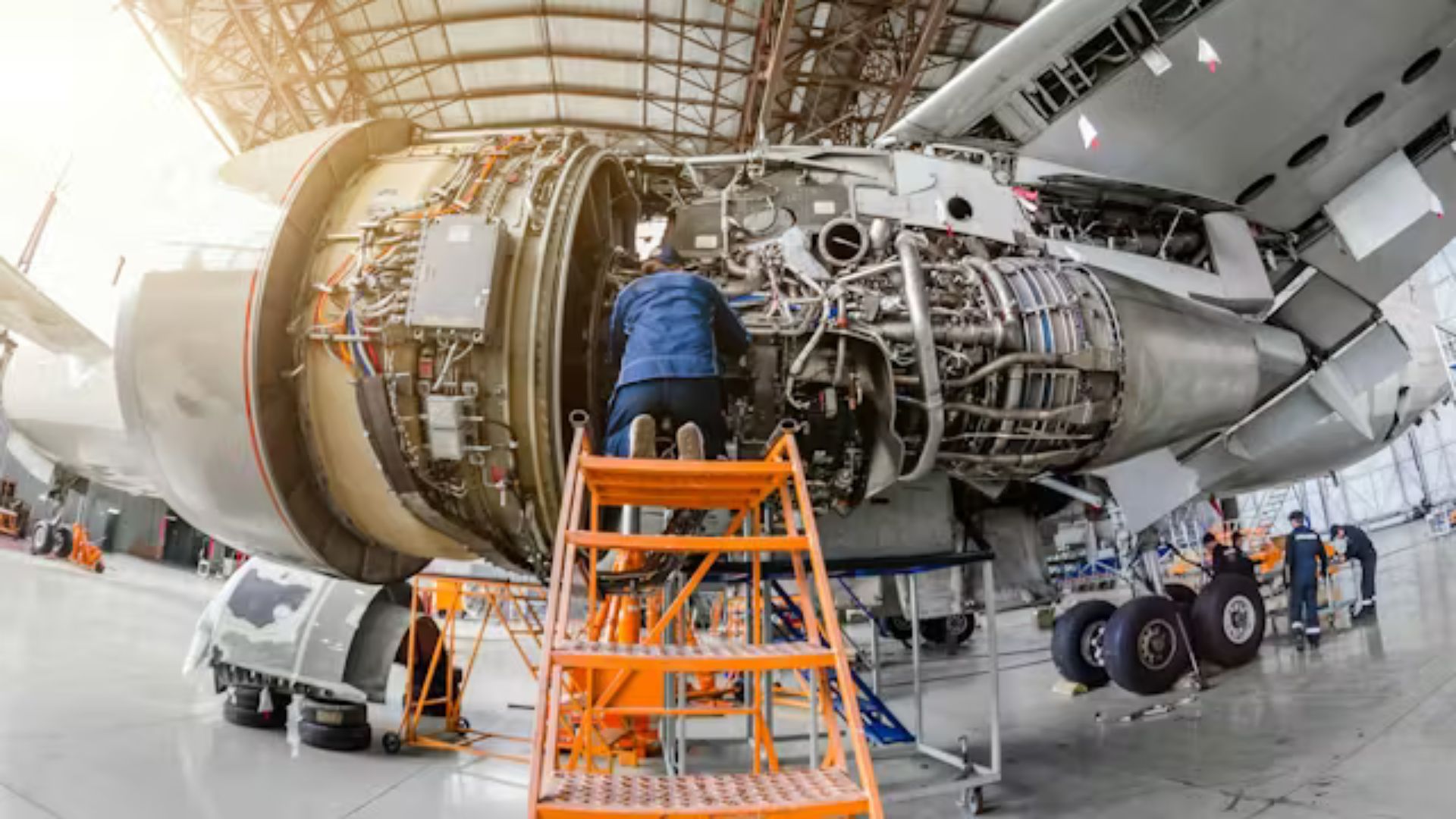
How to Keep Aircraft Airworthy
Perform Functional Tests and Operational Checks
After maintenance or component changes, always verify that the system functions as expected. These tests are part of return-to-service procedures and must be documented.
Systems that require regular testing:
-
Landing gear and brake systems
-
Electrical and lighting systems
-
Navigation and communication radios
-
Engine performance and throttle response
-
Flight control responsiveness
Functional checks catch issues that may not be visible during inspection.
Monitor Time-Limited Components and Life Cycles
Many aircraft parts have service life limits defined in hours, cycles, or calendar time. Keeping track of these limitations is critical to maintaining airworthiness.
Examples include:
-
Engine TBO (Time Between Overhaul)
-
Propeller overhaul cycles
-
Magneto inspection intervals
-
ELT battery expiration dates
-
Pitot-static and transponder testing schedules
Use maintenance tracking software or logbooks to monitor life-limited components accurately.
Store and Protect the Aircraft Properly
Aircraft that are parked or stored improperly can quickly become unairworthy due to environmental exposure, pests, or moisture.
Best storage practices:
-
Use hangars or covers to protect from UV and rain
-
Install control locks and tire chocks
-
Disconnect batteries if storing long-term
-
Perform preservation procedures for engines and fuel systems
-
Conduct a thorough inspection before returning to service
Environmental damage is one of the most preventable threats to airworthiness.
Train Pilots and Crew on Airworthiness Awareness
Pilots are the first line of defense in detecting airworthiness issues. They must understand their responsibility to assess aircraft condition before flight.
Training should include:
-
Pre-flight inspection procedures
-
Recognizing signs of mechanical or system problems
-
Logging discrepancies in the aircraft’s journey log
-
Knowing when to ground an aircraft
Educated pilots prevent accidents and protect the aircraft’s status.
Conclusion
Knowing how to keep aircraft airworthy is essential for safety, legal compliance, and efficient operation. From inspections and documentation to trained personnel and proper storage, each step plays a role in preserving the health and reliability of your aircraft. By following a disciplined, proactive approach, you reduce risks, lower maintenance costs, and keep your aircraft flight-ready at all times.