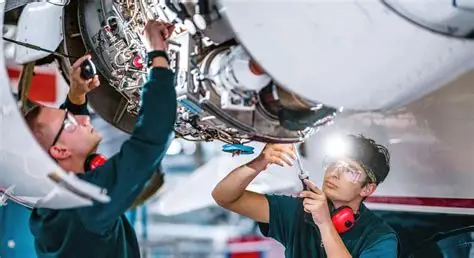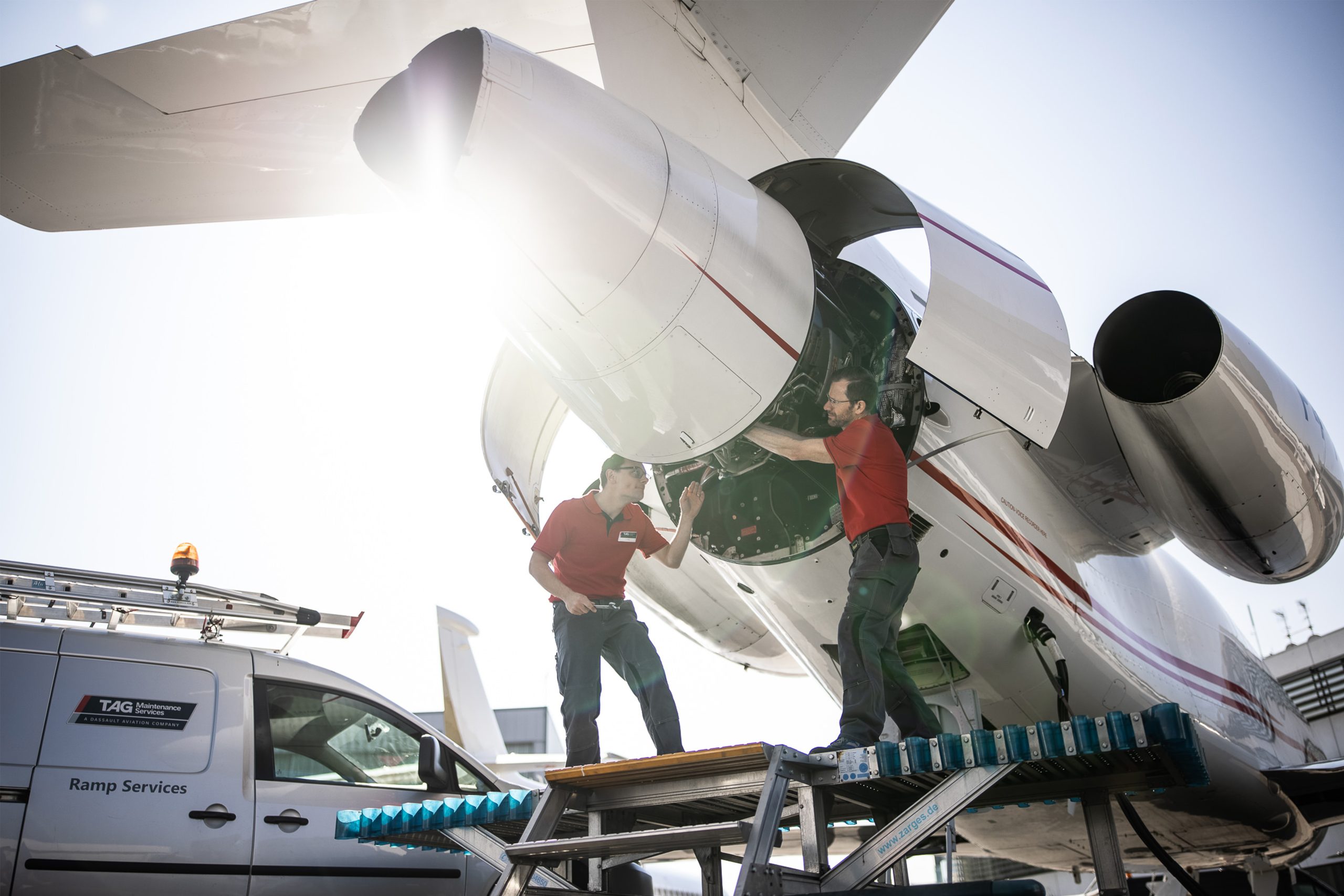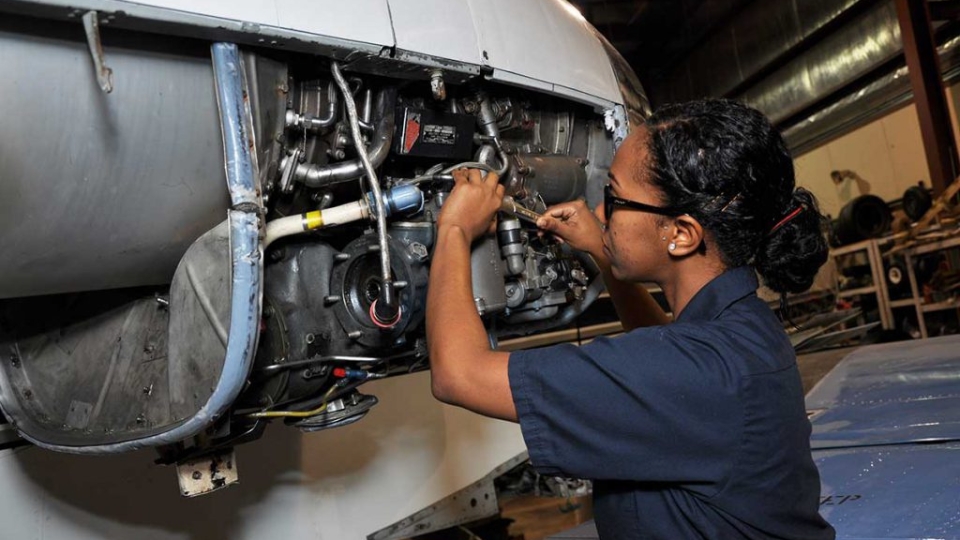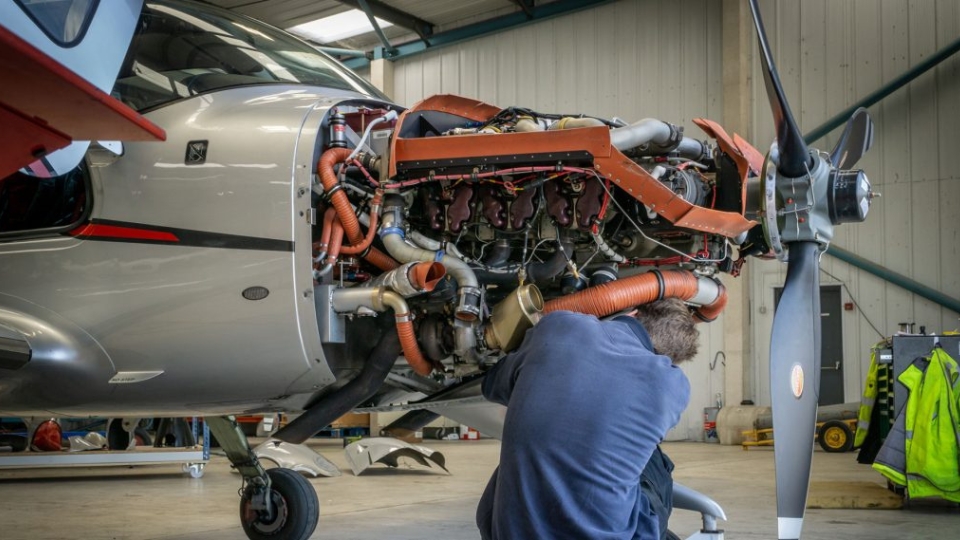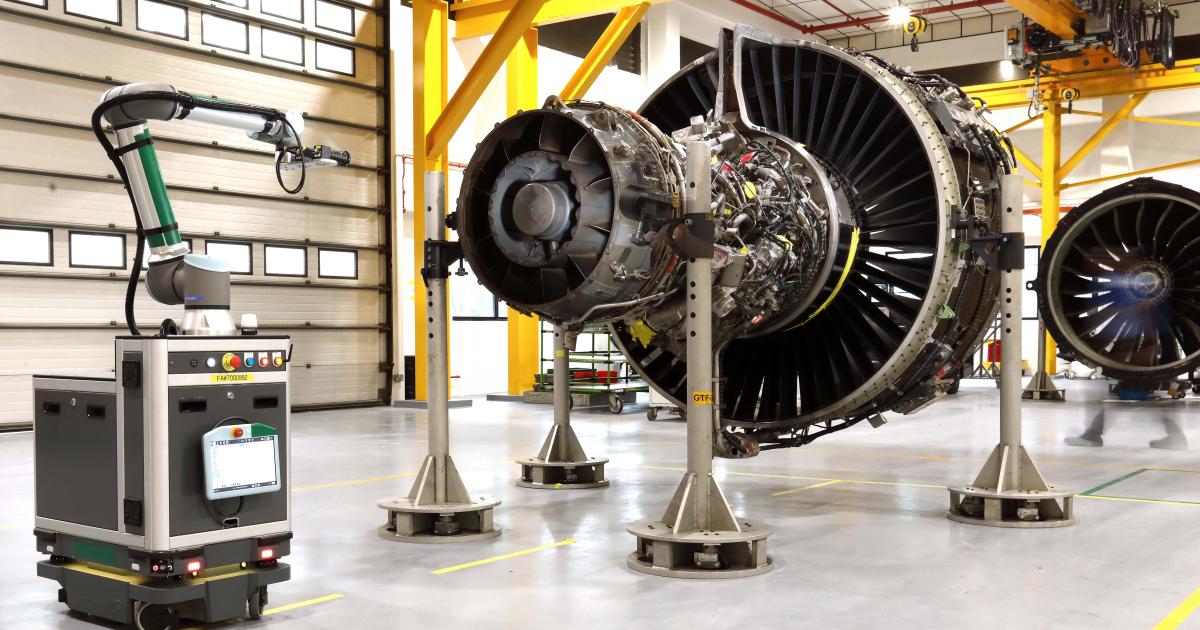
The aviation industry is embracing technology to improve safety, efficiency, and reliability. Digital tools transform aircraft maintenance by enabling predictive analytics, real-time monitoring, and streamlined workflows. These innovations reduce downtime, enhance safety, and help airlines optimize their fleets for consistent, dependable performance.
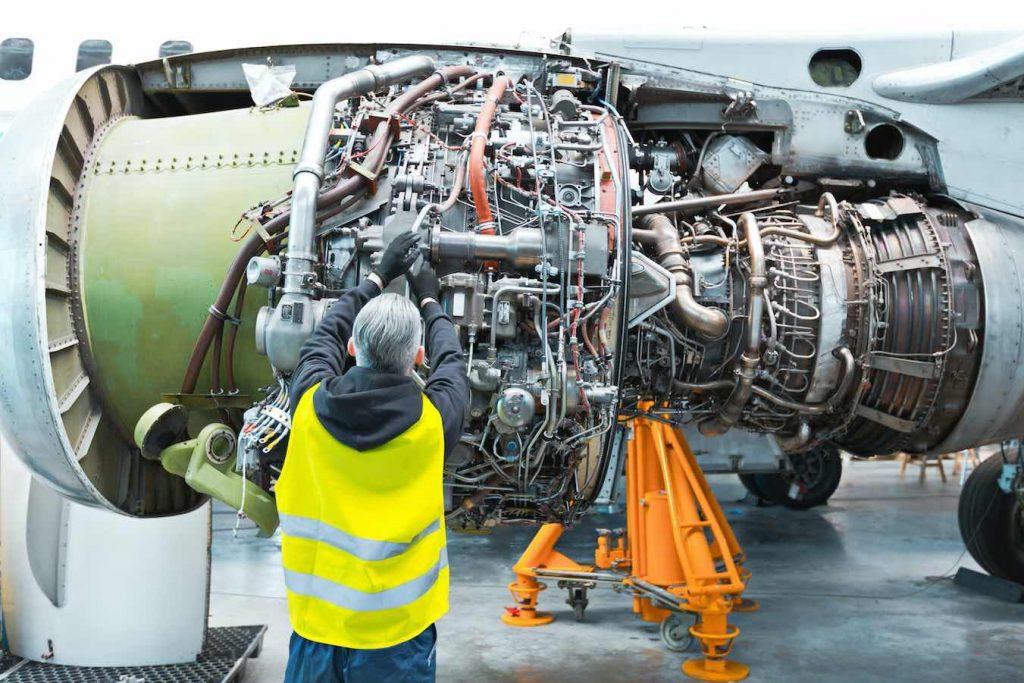
Digital tools transform aircraft maintenance
The Role of Digital Tools in Maintenance
Digital tools provide maintenance teams with advanced capabilities to monitor, diagnose, and manage aircraft systems. From software that tracks engine performance to sensors embedded in critical components, technology helps technicians identify potential issues before they affect flight operations.
Example:
Real-time engine monitoring software can alert maintenance teams to abnormal temperatures or vibrations, allowing them to intervene before a problem escalates.
Predictive Maintenance
One of the biggest advantages of digital tools is predictive maintenance. By analyzing historical and real-time data, airlines can anticipate component wear and schedule maintenance proactively. This approach reduces unplanned downtime, lowers repair costs, and ensures aircraft remain airworthy.
Example:
AI-powered analytics might predict when a hydraulic pump is likely to fail, prompting a preemptive replacement that avoids flight delays or cancellations.
Streamlining Workflow and Documentation
Digital tools also simplify maintenance workflow and record-keeping. Cloud-based platforms allow technicians to track maintenance tasks, update logs in real time, and ensure compliance with aviation regulations. Centralized documentation improves communication between teams and speeds up decision-making.
Example:
A maintenance team using a digital maintenance management system can access service history, checklists, and safety reports instantly, ensuring each task is completed accurately and efficiently.
Enhancing Safety and Reliability
By leveraging digital technology, airlines can significantly improve aircraft safety. Sensors and analytics detect anomalies in engines, landing gear, and avionics, allowing for timely interventions. This proactive approach reduces the likelihood of technical failures and enhances passenger confidence in airline operations.
Example:
Vibration sensors on the landing gear detect unusual patterns, prompting technicians to inspect and resolve potential issues before the aircraft departs.
Reducing Operational Costs
Digital tools help airlines reduce operational costs by minimizing unnecessary part replacements, lowering labor expenses, and preventing costly emergency repairs. Predictive maintenance ensures resources are used efficiently, optimizing both personnel and aircraft availability.
Example:
A digital maintenance platform can schedule tasks based on component life cycles, preventing premature replacements and ensuring optimal use of spare parts.
Training and Adaptation
As maintenance becomes more technology-driven, technicians require training in digital systems and analytics. Skilled personnel who can interpret data, operate software, and respond to digital alerts are essential for maximizing the benefits of these tools. Continuous learning ensures that maintenance teams can safely and efficiently manage modern aircraft.
Example:
Technicians trained in AI diagnostics can quickly interpret engine performance trends and take necessary action, improving both safety and operational efficiency.
Conclusion
Digital tools transform aircraft maintenance by combining predictive analytics, real-time monitoring, and streamlined workflows. These innovations enhance safety, reliability, and operational efficiency while reducing costs and downtime. Airlines that adopt digital maintenance solutions can maintain airworthy fleets, comply with regulatory standards, and deliver safer, more dependable flights. In an era where technology is central to aviation, digital tools are indispensable for keeping modern aircraft in peak condition.