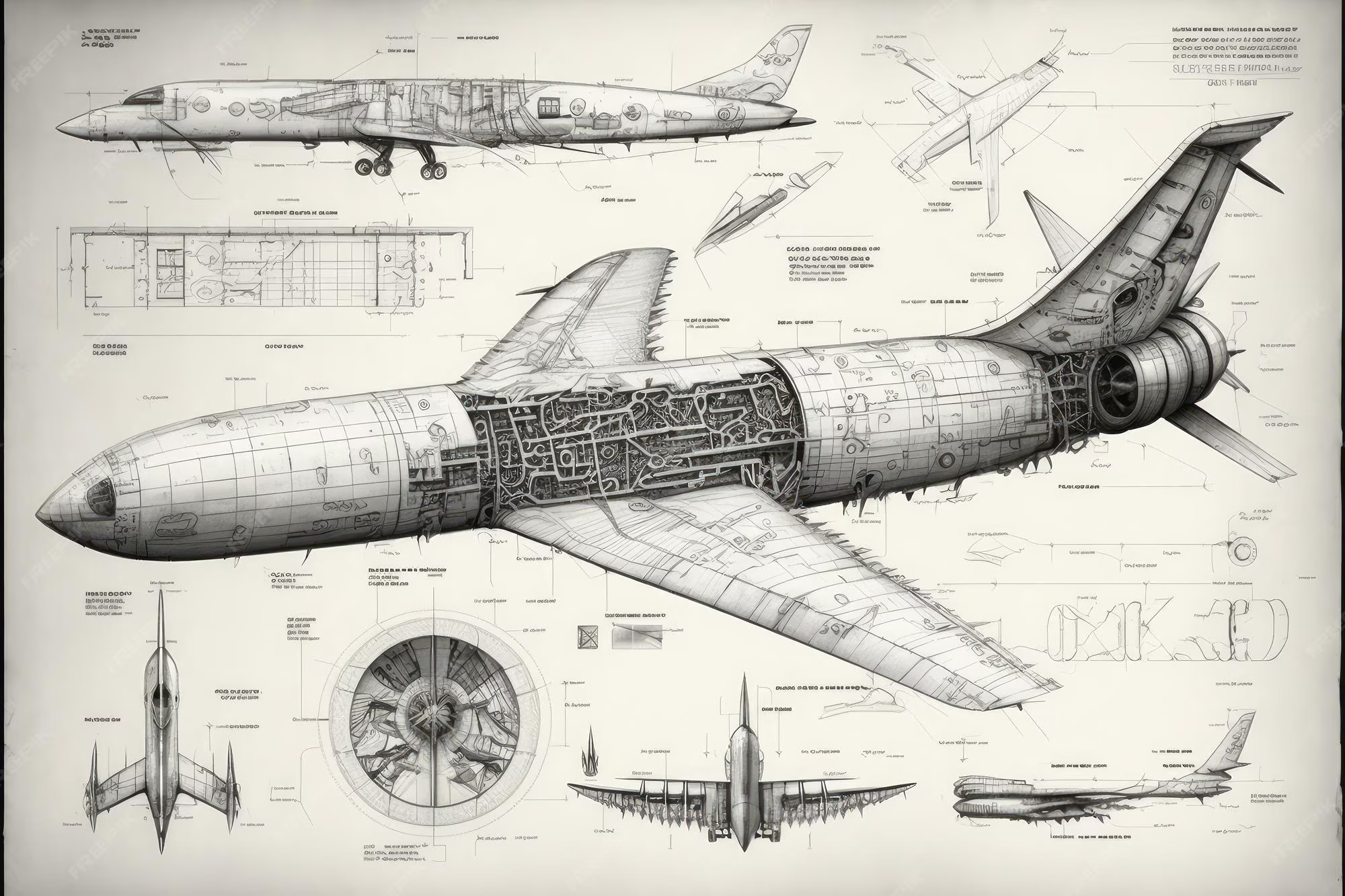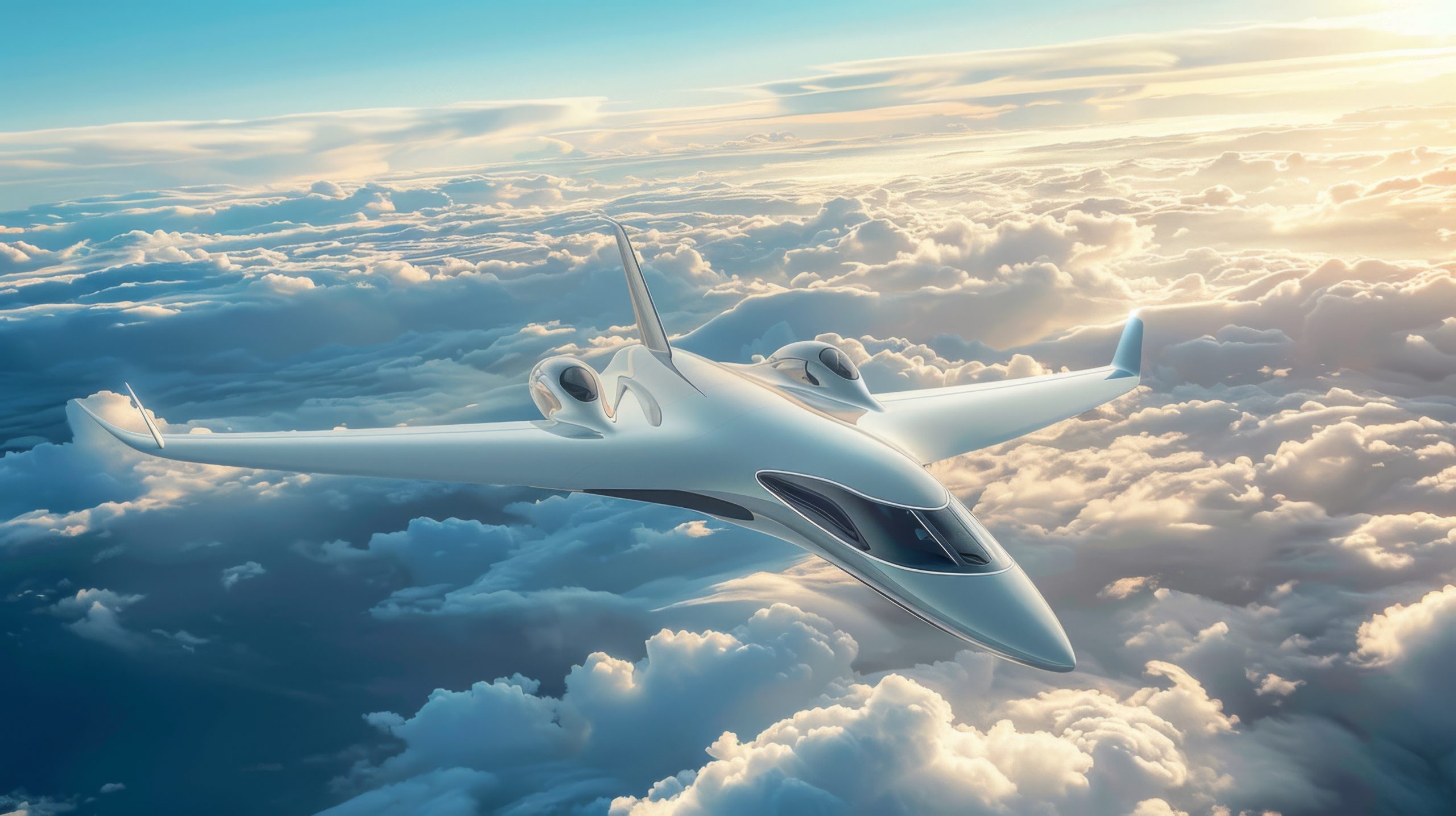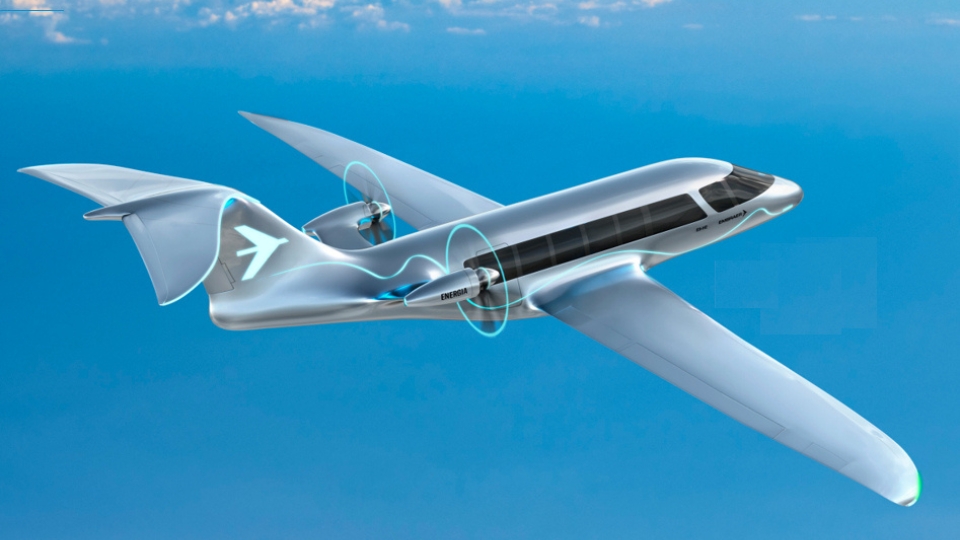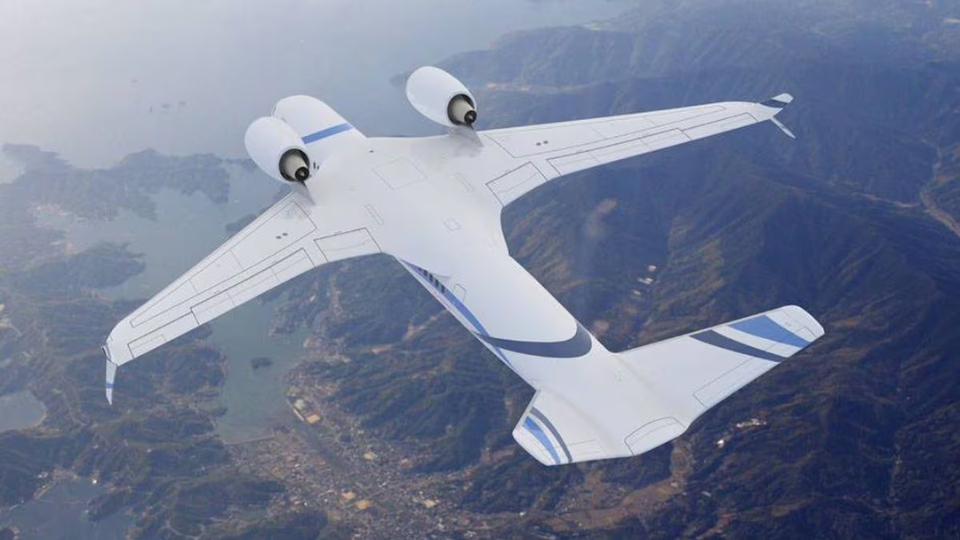
Modern aircraft and aviation technology have transformed air travel into one of the safest, fastest, and most efficient modes of transportation. Continuous innovation in engineering, materials, digital systems, and sustainability has reshaped how aircraft are designed, built, and operated. From commercial airliners to military jets and unmanned aerial vehicles, advanced aviation technologies play a critical role in global connectivity, defense, and economic growth.
Evolution of Modern Aircraft
Aircraft design has evolved significantly over the past few decades. Early aircraft relied heavily on mechanical systems and basic aerodynamics. In contrast, modern aircraft incorporate advanced computer systems, lightweight materials, and highly efficient engines. These advancements have led to improved fuel efficiency, longer range, enhanced safety, and reduced environmental impact, making air travel more accessible and reliable worldwide.
Advanced Materials and Aircraft Design
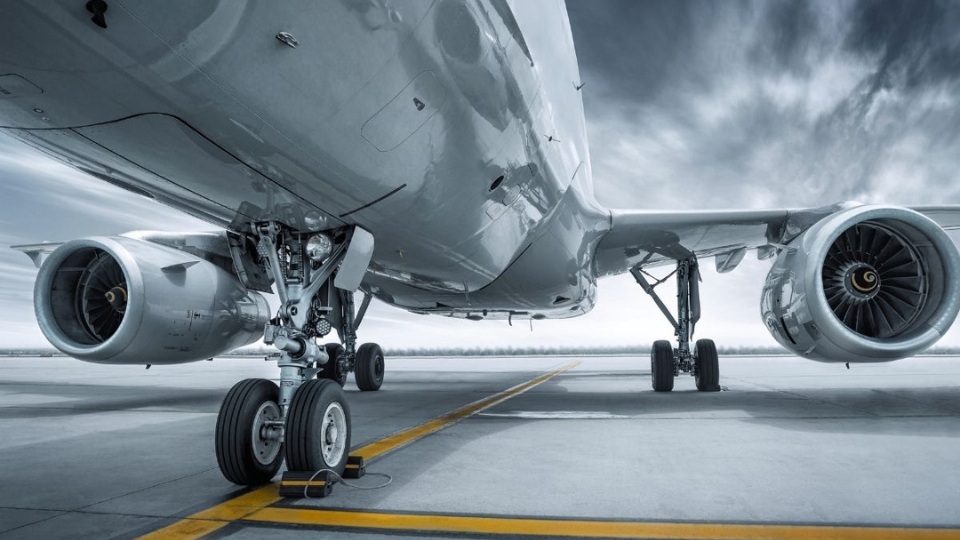
One of the key developments in modern aviation is the use of advanced materials. Composite materials such as carbon fiber reinforced polymers are widely used in aircraft structures. These materials are lighter and stronger than traditional aluminum, allowing aircraft to consume less fuel while maintaining structural integrity. Improved aerodynamics, winglets, and optimized fuselage designs also contribute to better performance and reduced drag.
Modern Aircraft Engines and Propulsion Systems
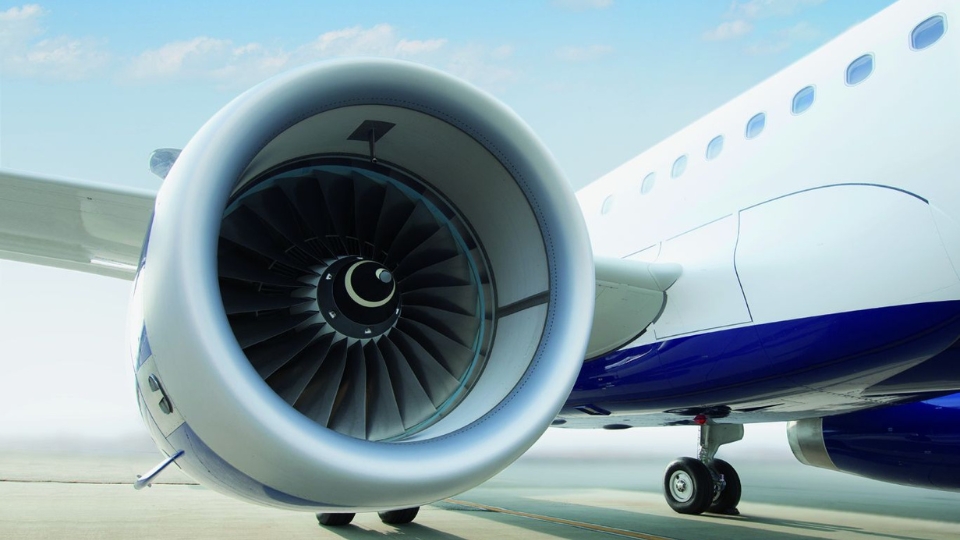
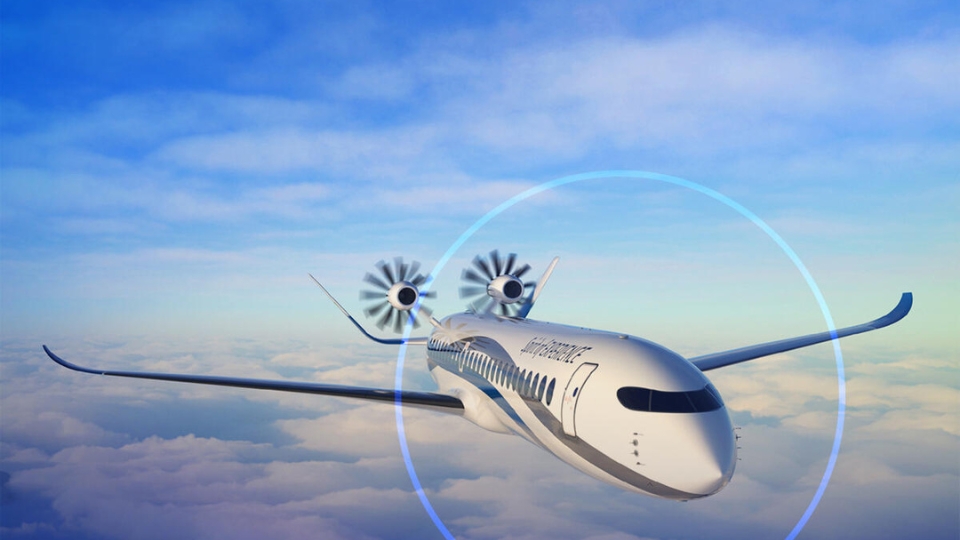
Engine technology has seen remarkable progress in modern aviation. Turbofan engines used in commercial aircraft are now quieter, more powerful, and more fuel-efficient. High-bypass ratio engines reduce fuel consumption and noise emissions, benefiting both airlines and the environment. In addition, research into electric and hybrid propulsion systems is gaining momentum, aiming to reduce carbon emissions and support sustainable aviation in the future.
Avionics and Digital Flight Systems
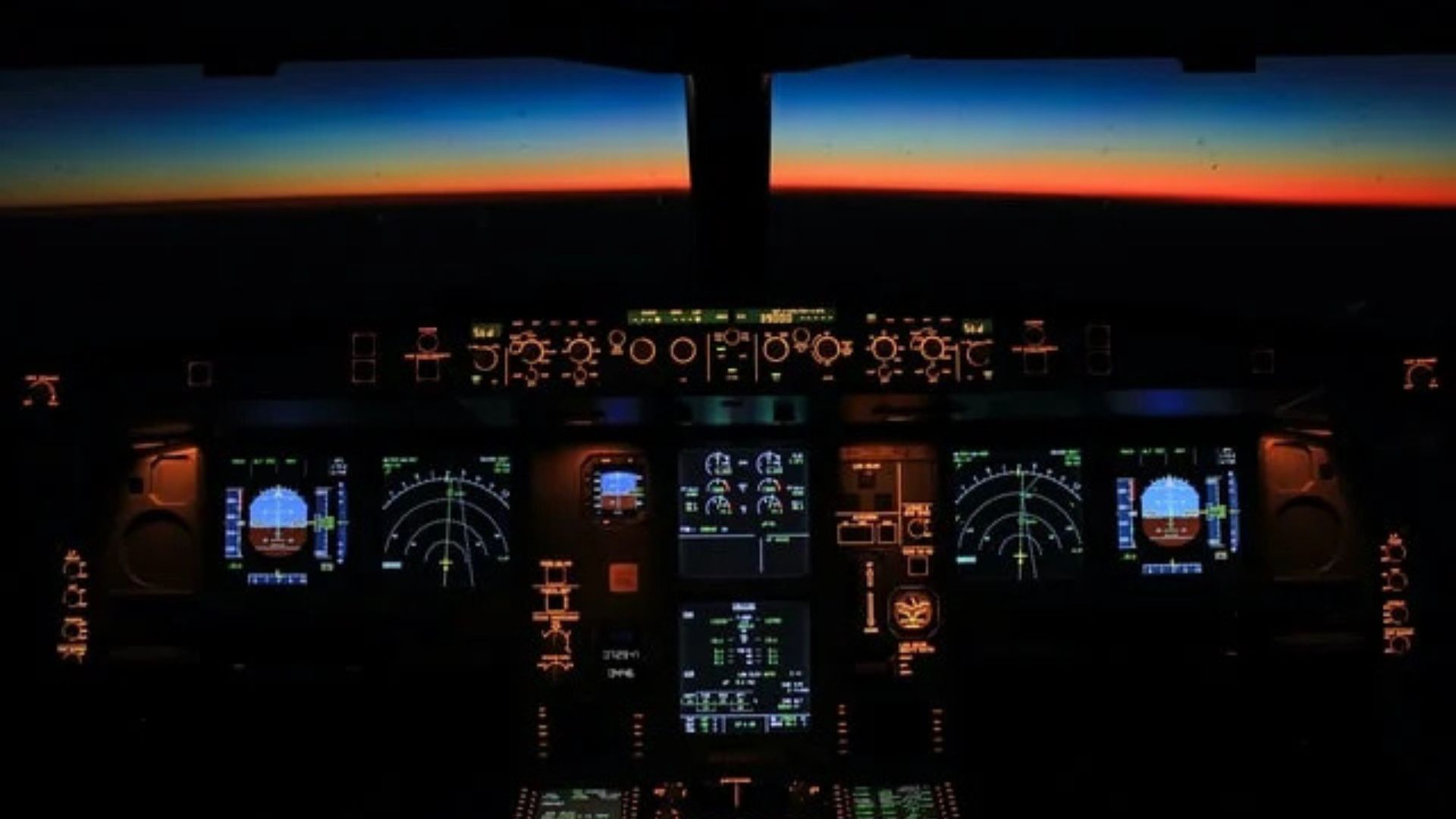
Modern aircraft rely heavily on advanced avionics systems. Glass cockpits have replaced traditional analog instruments with digital displays, providing pilots with real-time data on navigation, weather, and aircraft performance. Fly-by-wire technology uses electronic signals instead of mechanical controls, improving flight precision and safety. These digital systems reduce pilot workload and enhance situational awareness, contributing to safer and more efficient flights.
Automation and Artificial Intelligence in Aviation
Automation plays a major role in modern aviation technology. Autopilot systems can manage many phases of flight, including cruising and navigation. Artificial intelligence is increasingly being used for predictive maintenance, flight planning, and air traffic management. By analyzing large volumes of data, AI systems help identify potential issues before they become serious problems, improving safety and reducing operational costs.
Safety and Navigation Technologies
Safety is a top priority in aviation, and modern aircraft are equipped with sophisticated safety technologies. Systems such as Traffic Collision Avoidance Systems (TCAS), Enhanced Ground Proximity Warning Systems (EGPWS), and advanced weather radar help pilots avoid hazards. Satellite-based navigation systems like GPS and Global Navigation Satellite Systems (GNSS) provide precise positioning, enabling accurate routing and efficient air traffic control.
Sustainable Aviation Technology
Environmental sustainability is a major focus in modern aviation. Aircraft manufacturers and airlines are investing in fuel-efficient designs, sustainable aviation fuels, and emission reduction technologies. Biofuels and synthetic fuels offer alternatives to traditional jet fuel, reducing carbon footprints. Additionally, improvements in aircraft efficiency and operational practices help lower noise pollution and greenhouse gas emissions.
Unmanned Aerial Vehicles and Drones
Unmanned aerial vehicles (UAVs), commonly known as drones, represent a rapidly growing segment of aviation technology. Drones are used in various applications, including surveillance, delivery services, agriculture, and disaster management. Advances in sensors, communication systems, and autonomous navigation have expanded the capabilities of UAVs, making them valuable tools across multiple industries.
Air Traffic Management and Smart Airports
Modern aviation technology extends beyond aircraft to include air traffic management and airport infrastructure. Advanced radar systems, satellite communication, and digital coordination tools improve airspace efficiency and reduce delays. Smart airports use automation, biometric systems, and data analytics to enhance passenger experience, streamline security processes, and improve operational efficiency.
The Future of Aviation Technology
The future of aviation promises even more innovation. Concepts such as supersonic commercial travel, fully electric aircraft, and autonomous flight are under active development. Continued investment in research and technology will shape a more efficient, sustainable, and connected aviation industry, meeting the demands of global travel while addressing environmental challenges.
Conclusion
Modern aircraft and aviation technology have revolutionized the way people and goods move across the world. Through advancements in materials, engines, digital systems, automation, and sustainability, aviation continues to evolve rapidly. These innovations not only improve safety and efficiency but also pave the way for a more sustainable and technologically advanced future in air transportation.