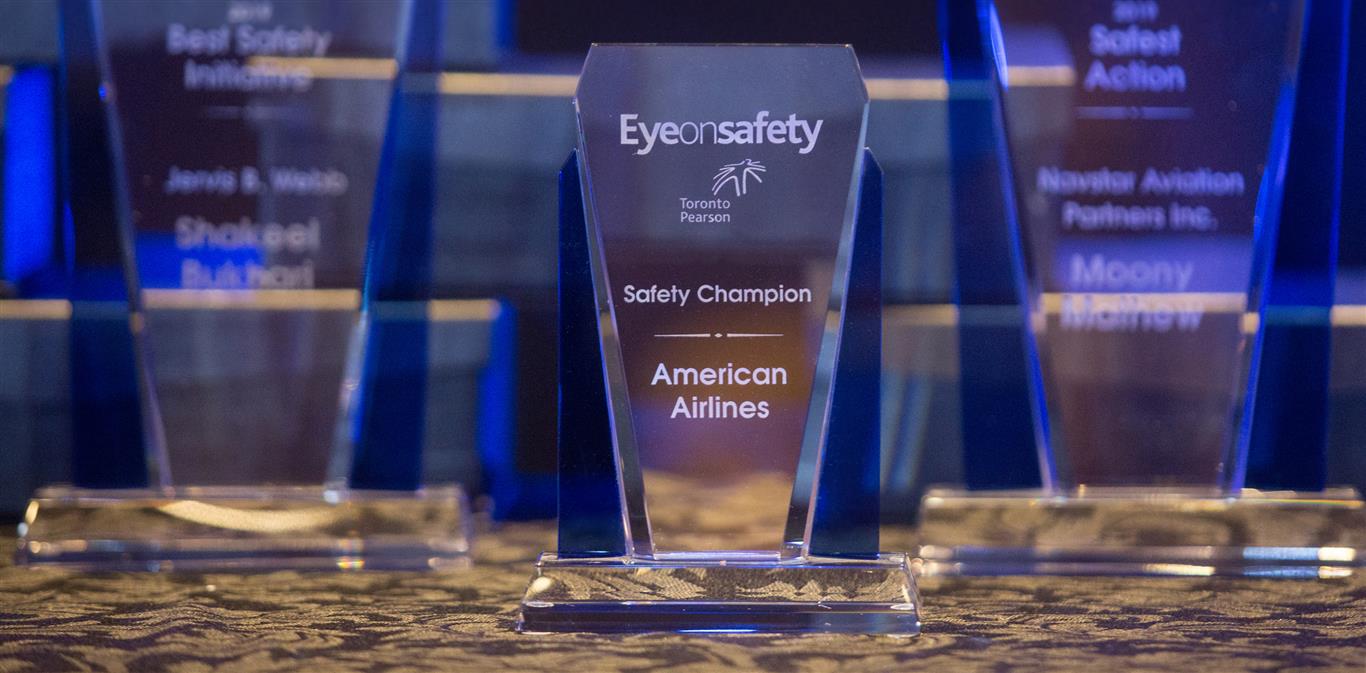
Safe flight operations are the result of meticulous planning, coordination, and execution carried out by a wide range of aviation professionals. While passengers often focus on the in-flight experience, the safety and efficiency of every flight rely on complex systems, rigorous procedures, and skilled personnel working behind the scenes. Understanding what goes into safe flight operations highlights the depth of expertise, technology, and teamwork required to ensure that air travel remains one of the safest modes of transportation.
Flight Planning and Pre-Flight Preparation
Every flight begins long before the aircraft leaves the ground. Flight planning involves determining the safest and most efficient route, accounting for weather, air traffic, fuel requirements, and airport conditions. Pilots and dispatchers collaborate to create flight plans that comply with aviation regulations while optimizing fuel efficiency and timing. Pre-flight preparation also includes reviewing aircraft performance data, ensuring proper weight and balance, and confirming that all safety systems are operational.
Aircraft Maintenance and Inspections
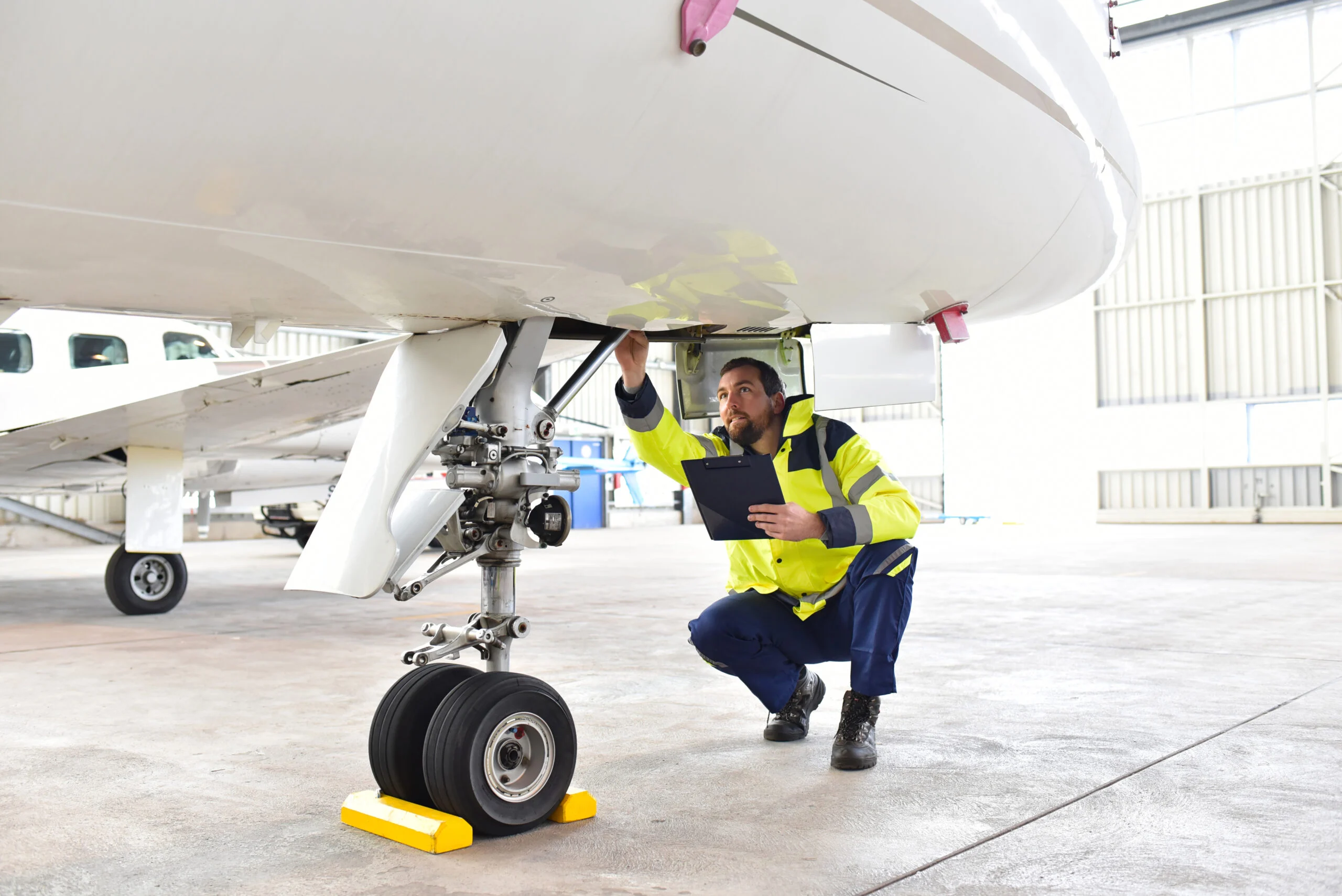
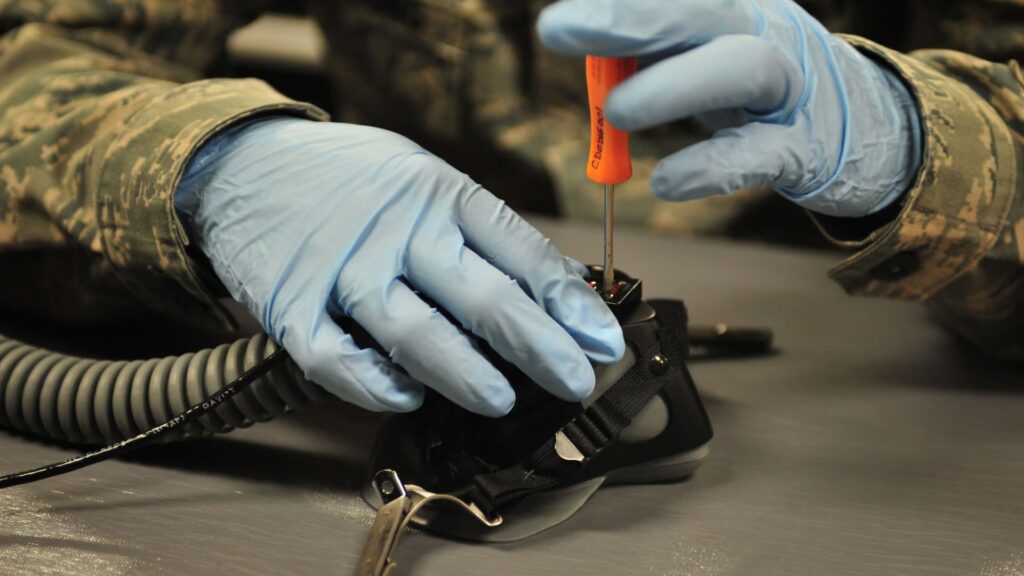
Maintenance is a cornerstone of safe flight operations. Aircraft undergo routine checks ranging from daily inspections to major overhauls, including A, B, C, and D checks depending on operational needs. Maintenance teams monitor engines, avionics, hydraulics, and structural integrity to prevent malfunctions. Predictive maintenance using sensors and data analytics allows technicians to anticipate and address issues before they become safety risks. Proper documentation and compliance with manufacturer and regulatory standards are critical in this process.
Air Traffic Control Coordination
Air traffic controllers play a vital role in ensuring safe flight operations. They manage the flow of aircraft on the ground and in the air, providing pilots with instructions, altitude assignments, and route adjustments. Controllers prevent collisions, coordinate takeoffs and landings, and respond to emergencies. Effective communication between pilots and air traffic control is essential, as it ensures situational awareness and smooth navigation through busy airspace.
Weather Monitoring and Risk Management
Weather is one of the most unpredictable factors affecting flight safety. Meteorologists provide continuous updates on conditions such as wind, turbulence, storms, and visibility. Pilots and operations teams use this information to make real-time decisions, including route adjustments or delays. Risk management protocols are in place to address potential hazards, ensuring that flights only operate under safe conditions.
Crew Training and Standard Operating Procedures
Highly trained flight crews are essential to safe operations. Pilots undergo rigorous initial training, recurrent simulator sessions, and emergency procedure drills to prepare for any situation. Cabin crew are trained in safety protocols, emergency evacuations, first aid, and passenger management. Airlines enforce Standard Operating Procedures (SOPs) to ensure consistency, compliance, and efficiency, minimizing the risk of human error.
Advanced Technology and Automation
Modern aviation relies heavily on technology to maintain safety. Avionics, autopilot systems, navigation aids, and collision avoidance technologies enhance pilot situational awareness. Aircraft systems continuously monitor engine performance, fuel consumption, and structural integrity. Predictive analytics and AI assist in maintenance scheduling, air traffic management, and operational decision-making, reducing the potential for human error.
Emergency Preparedness and Contingency Planning
Despite careful planning, emergencies can occur. Airlines implement comprehensive contingency plans for medical incidents, mechanical failures, weather diversions, and security threats. Crew members are trained to respond swiftly, and communication channels with air traffic control, ground services, and emergency responders are established in advance. Regular drills and evaluations ensure readiness for a wide range of scenarios.
Safety Culture and Continuous Improvement
Behind every safe flight is a strong safety culture that emphasizes vigilance, accountability, and continuous improvement. Airlines encourage reporting of safety concerns without fear of reprisal, fostering a proactive approach to hazard identification. Data from incidents, near-misses, and audits is analyzed to enhance procedures, training, and operational standards. This commitment to learning and improvement is a cornerstone of safe flight operations.
Conclusion
Safe flight operations are the product of careful planning, skilled personnel, advanced technology, and a strong safety culture. From flight planning and aircraft maintenance to air traffic coordination and emergency preparedness, countless behind-the-scenes efforts ensure that every flight is secure and efficient. Understanding these processes highlights the complexity and dedication required to keep aviation one of the safest modes of transportation in the world.