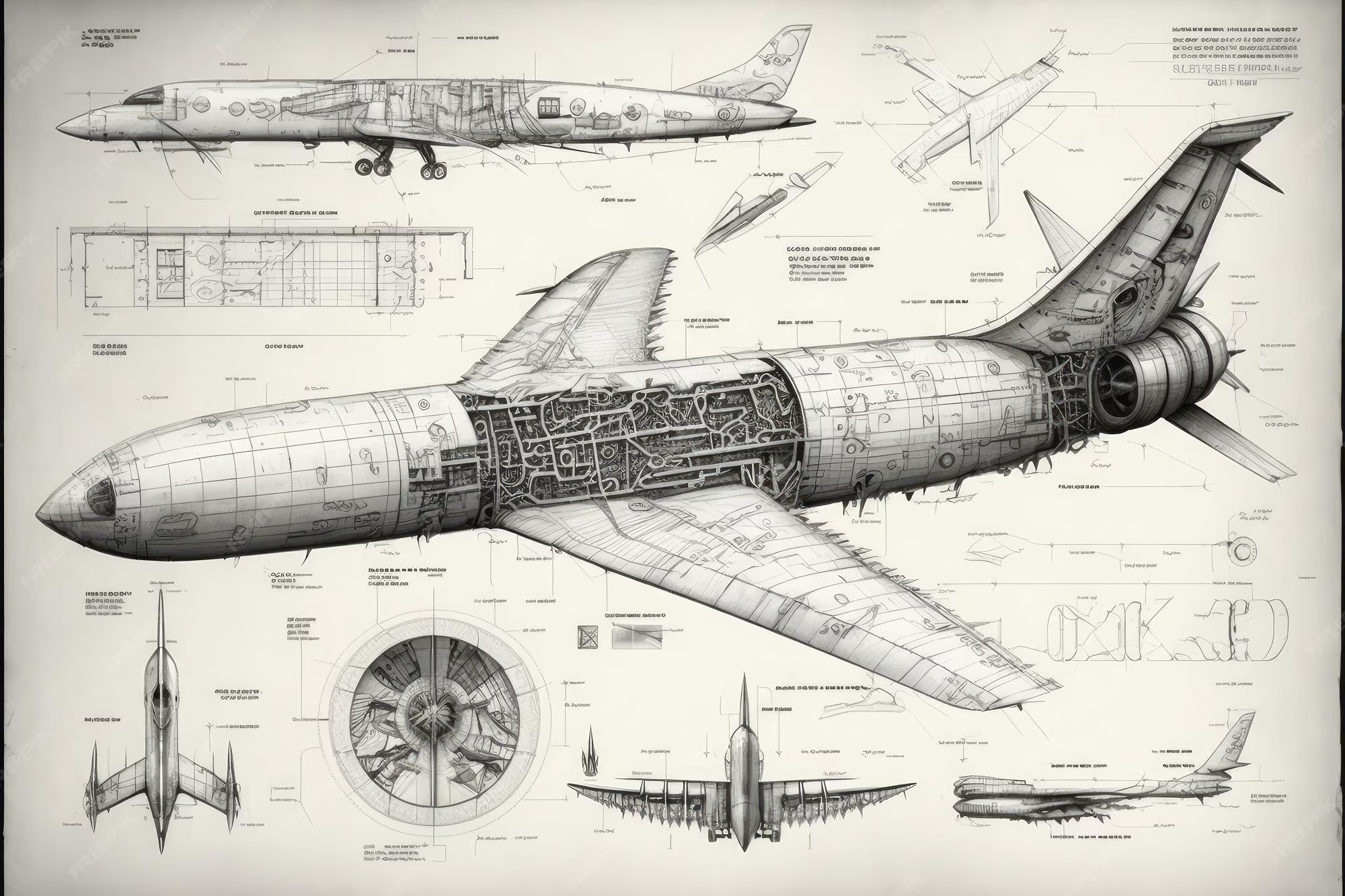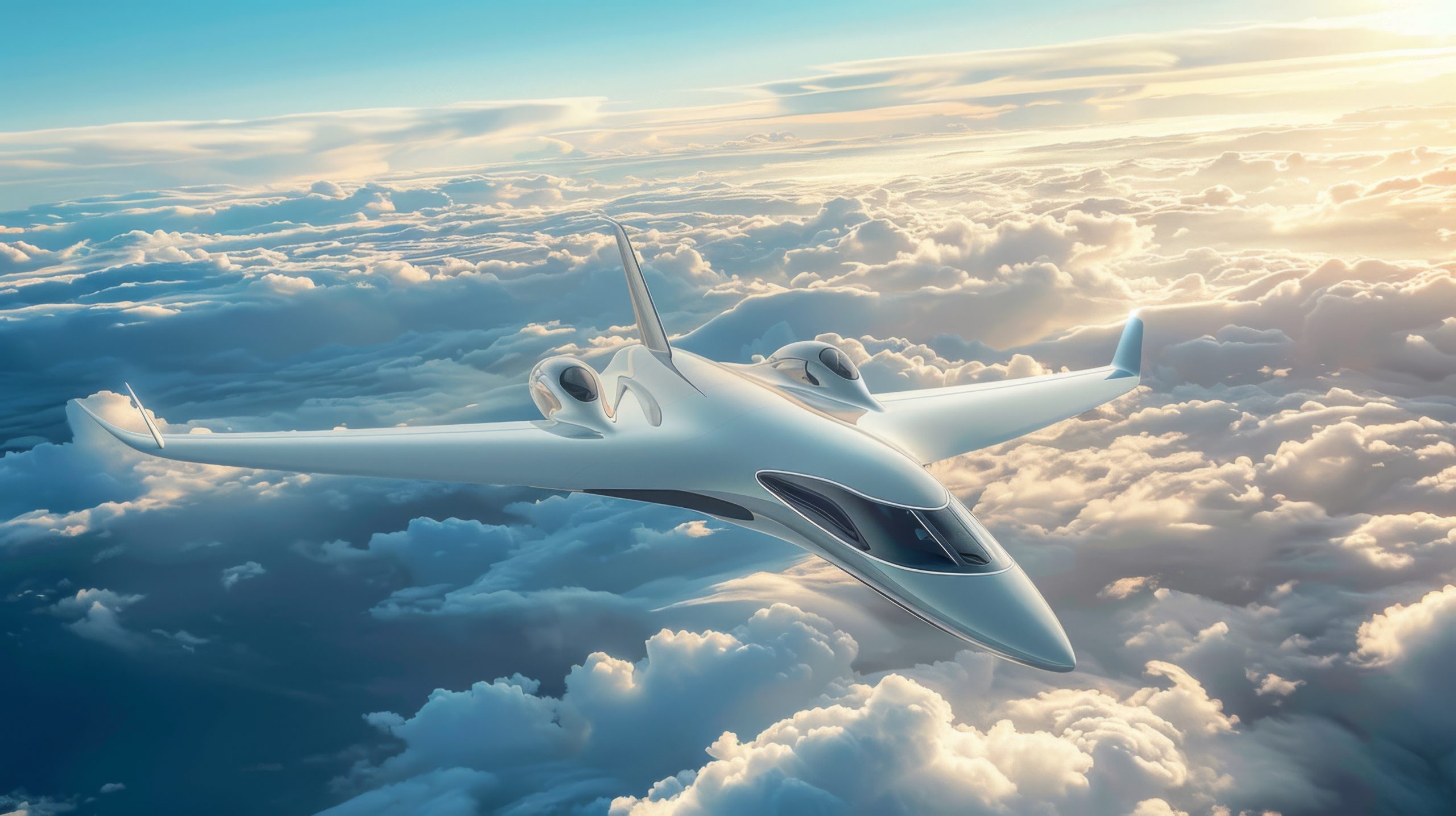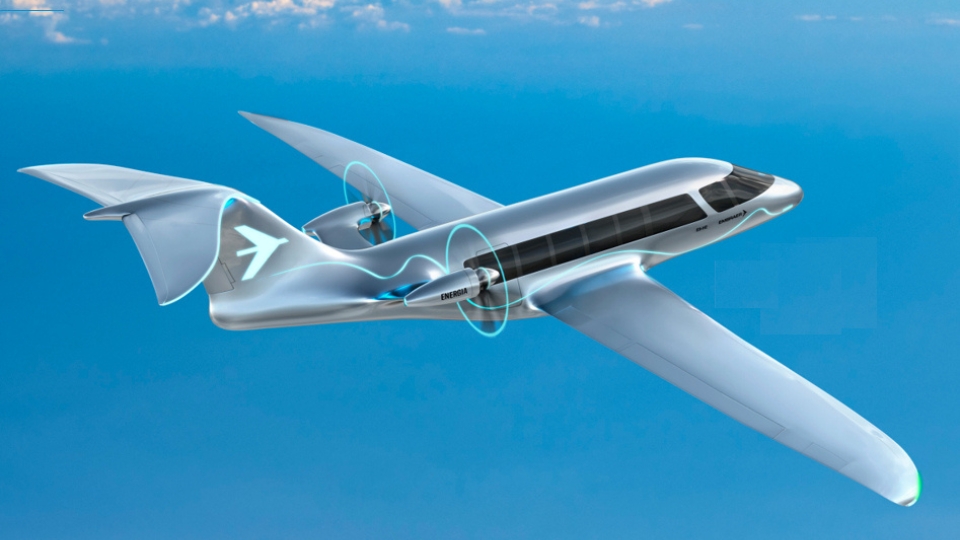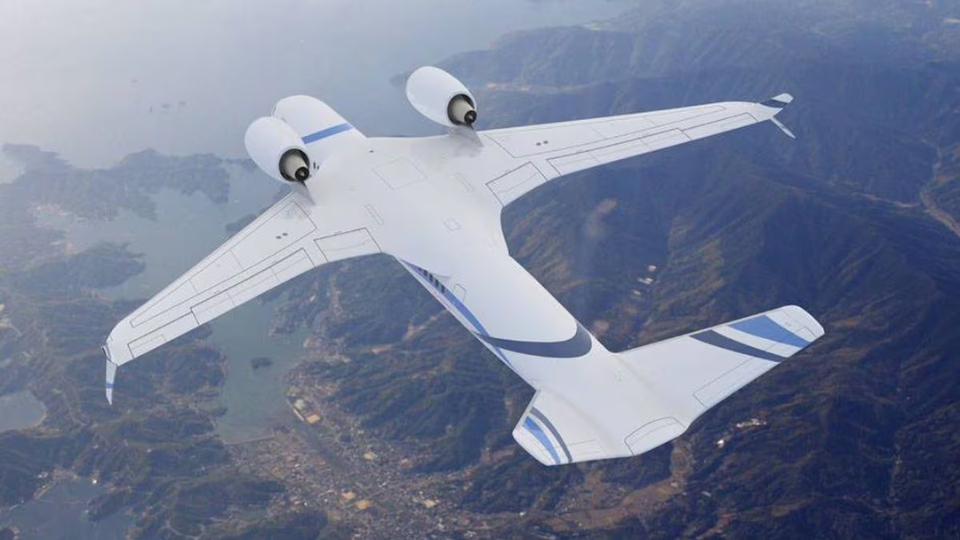
The aviation industry in 2025 is experiencing a technological renaissance, with groundbreaking innovations reshaping how we fly, train, and travel. From electric air taxis to AI-powered cockpit assistants, these advancements promise to enhance safety, efficiency, and sustainability in aviation.
Electric Air Taxis: The Rise of Urban Air Mobility
Electric Vertical Takeoff and Landing (eVTOL) aircraft are at the forefront of revolutionizing urban transportation. Companies around the world are developing sleek eVTOL models designed for short 10-20 minute flights. These air taxis aim to alleviate urban congestion and provide rapid, eco-friendly transportation options. The integration of eVTOLs into urban air mobility networks is a significant step toward sustainable and efficient city travel.
Sustainable Aviation Fuel (SAF): A Greener Future for Air Travel
The aviation industry is increasingly turning to Sustainable Aviation Fuel (SAF) to reduce carbon emissions and promote environmental responsibility. SAF is produced from renewable resources and can be used in existing aircraft engines, making it a viable option for reducing the aviation sector’s carbon footprint. Partnerships between airlines and aircraft manufacturers are accelerating the scaling and adoption of SAF, driving progress toward global sustainability goals.

Top Innovations in Aviation
AI-Powered Virtual Co-Pilots: Enhancing Pilot Efficiency
Advancements in artificial intelligence are leading to the development of virtual co-pilots that assist human pilots. These AI systems integrate cockpit data with aviation manuals and real-time information to provide procedural guidance and reduce pilot workload. This innovation supports single-pilot operations by minimizing human errors and enhancing overall flight safety and efficiency.
Smart Airports: The Integration of IoT and AI
Airports are becoming smarter through the use of Internet of Things (IoT) sensors and artificial intelligence. These technologies streamline operations by managing passenger flow, automating baggage handling, and predicting traffic patterns. Biometric technologies such as facial recognition expedite check-in and boarding processes, improving the overall passenger experience and operational efficiency.
Advanced Pilot Training with Virtual Reality
Virtual reality (VR) is transforming pilot training by offering immersive, cost-effective flight simulators. VR-based training allows pilots to practice complex maneuvers in a safe and controlled environment. This technology is especially useful for training in helicopters and eVTOL aircraft, where realistic scenarios can be recreated without the risks associated with real flights.
Supersonic Flight: The Return of High-Speed Travel
Supersonic flight is making a comeback with new aircraft capable of breaking the sound barrier while reducing disruptive sonic booms. Recent achievements in private supersonic demonstrators have paved the way for the next generation of supersonic transport, promising much faster travel times for long-haul flights and opening exciting possibilities for business and leisure travel.
Digital Twins and Advanced Air Mobility
The concept of digital twins—virtual replicas of physical aircraft and systems—is being applied to advanced air mobility to improve safety and operational efficiency. Digital twin-based communication and flight control systems optimize flight paths and real-time communication, ensuring safe operations for eVTOLs within urban airspace. This innovation supports the expansion of advanced air mobility networks in cities worldwide.
Conclusion
The aviation industry in 2025 is witnessing transformative innovations reshaping the landscape of air travel. From the rise of electric air taxis and sustainable aviation fuels to AI-driven pilot assistance and smart airports, these advancements are creating a more efficient, sustainable, and passenger-friendly aviation ecosystem. As these technologies continue to evolve, the future of aviation promises exciting new ways to experience flight.